


Altcoins Take the Hardest Hit
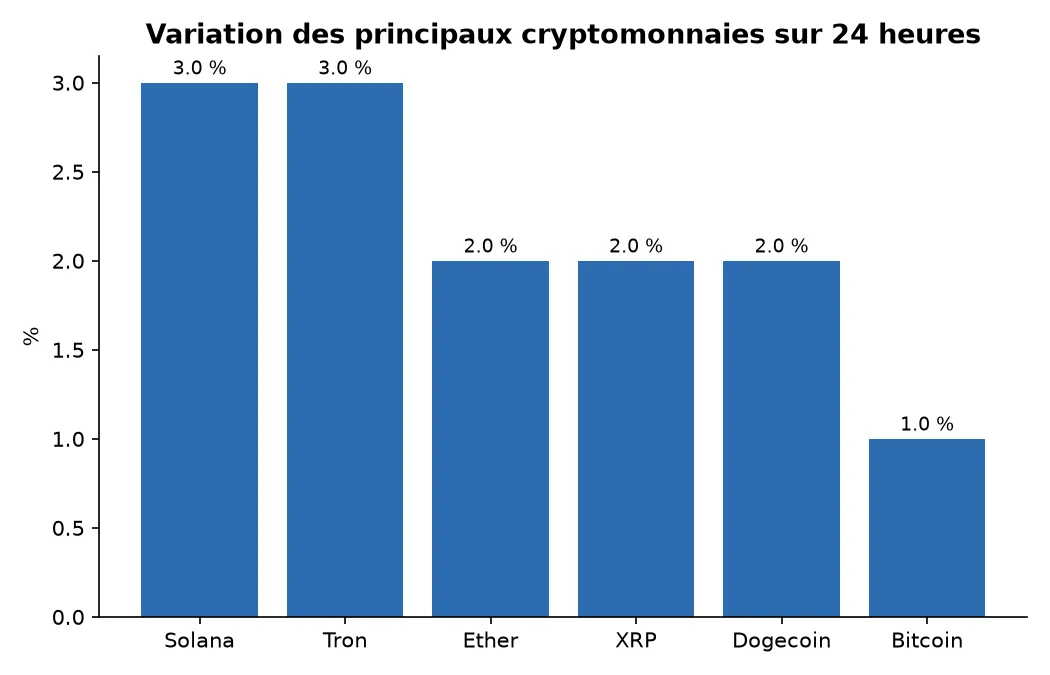
During Wednesday’s Asian session, Bitcoin traded near $77,500, while Solana dropped to roughly $100 and Tron slipped to about $0.32. Ether declined 2% to just above $2,414, XRP fell nearly 2% to approximately $1.35, and Dogecoin dipped below 8 cents. HYPE lost over 1% to around $83, while BNB proved the most resilient among the majors, declining less than 1% to $687.
Notably, every major token had recovered somewhat over the past hour, buoyed by a modest bid that emerged even as Asian equity markets posted their steepest losses of the session. That rebound suggests the initial wave of forced selling may have exhausted itself, though the broader backdrop remains fragile.
Oil, Bonds, and the Rate Connection
The real catalysts were macroeconomic. Brent crude surged past $95 as the strikes raised fresh fears about disruption to shipping through the Strait of Hormuz, a chokepoint critical to global energy supply. Meanwhile, the U.S. 10-year Treasury yield spiked to 4.81% overnight, its highest level in roughly three years. Japan’s five-year government bond hit a record yield, and its 10-year crossed 3% for the first time in thirty years. Japanese equities dropped over 2%, and South Korea’s Kospi plunged more than 3%.
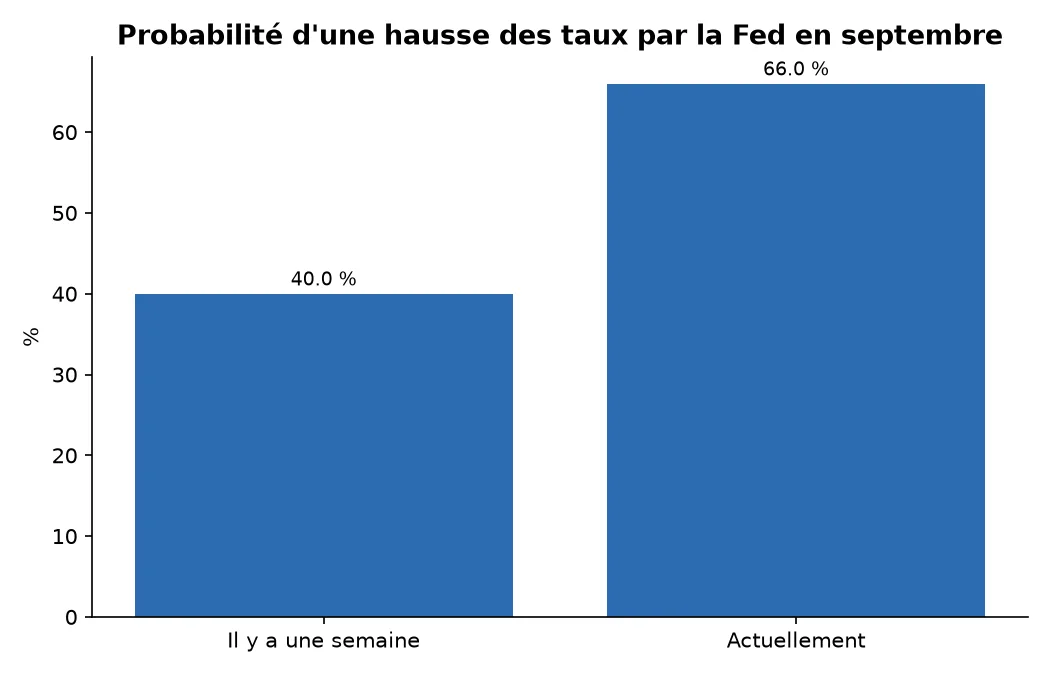
These rate dynamics are what translate into direct pressure on crypto. Per futures market data, the probability of a Federal Reserve rate hike at the September meeting jumped to 66%, up from roughly 40% a week prior, after Fed Chair Kevin Warsh used his Jackson Hole remarks to argue that policy may still not be restrictive enough to contain inflation. Gold also weakened, sliding to about $4,296 per ounce in a second consecutive session of losses, complicating the narrative that capital is simply rotating from risk assets into traditional safe havens.
What Lies Ahead: Jobs Data, the Clarity Act, and the Fed
Friday’s August jobs report will be the next major inflection point. Economists expect roughly 55,000 positions added, following July’s loss of 23,000, with inflation data due September 11. A firm labor reading would reinforce the case for a September hike and keep high-beta tokens under pressure ahead of two consequential events: the Clarity Act vote on September 15 and the Federal Reserve decision the day after. Market strategists have pointed to the $80,000 level as a key upside threshold for Bitcoin, with the May high near $82,820 as the next major resistance — but reaching either target appears increasingly dependent on the labor print and its implications for monetary policy.