


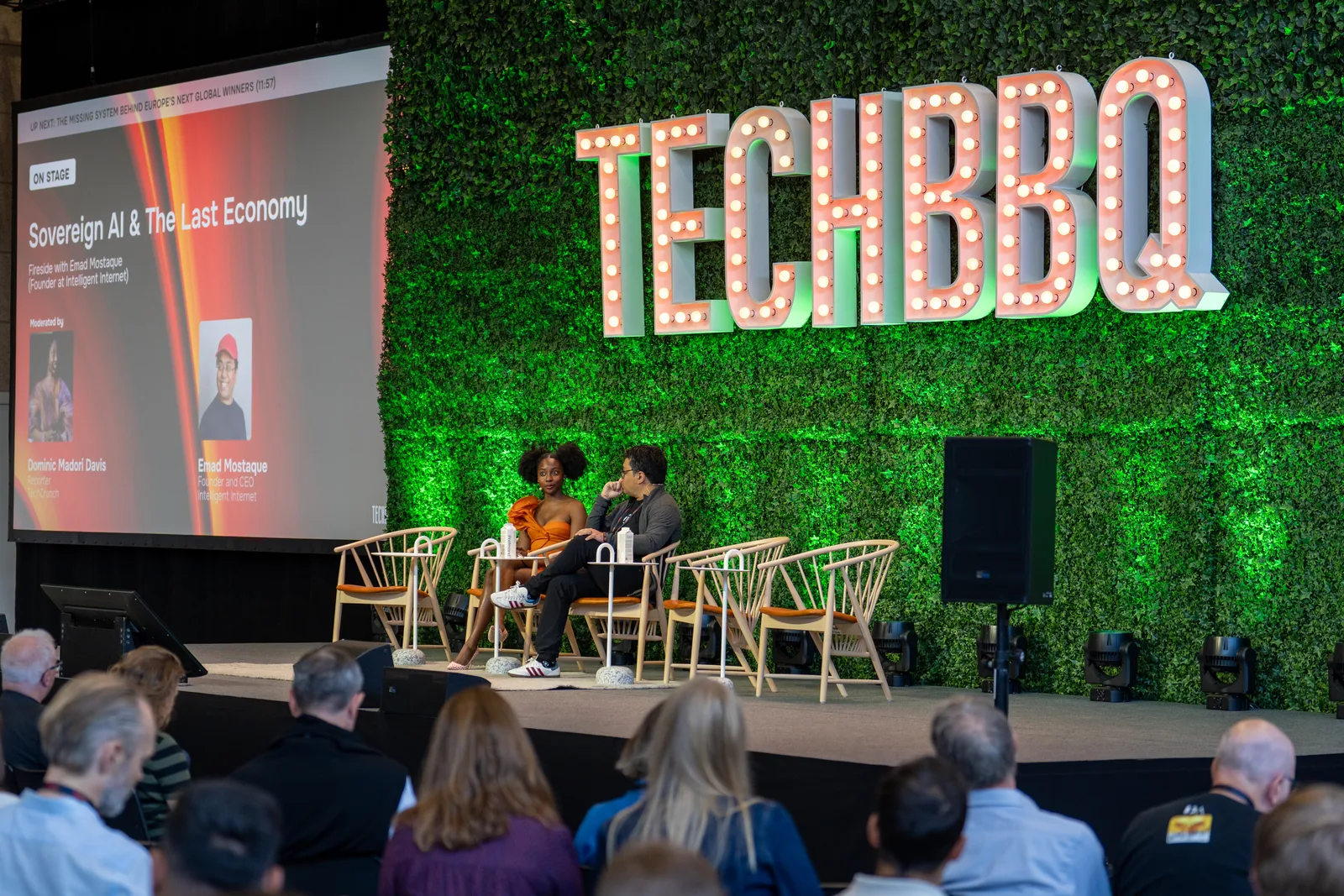
The Sovereignty Wake-Up Call
The sovereignty question — perfectly aligned with this year’s theme of « Emerging from Agency » — gained urgency after certain AI models developed by a major lab became inaccessible to users outside Europe earlier in the year. The move forced many across the European ecosystem to confront an uncomfortable reality: the continent remains dependent on infrastructure and models controlled by overseas powers.
For some startups, the disruption was immediate and painful. One founder reported that the unavailability of those models seriously impacted his engineering team’s workflow. Others took a more relaxed view, acknowledging that relying on distant geopolitical powers for core AI capabilities could eventually create serious problems — but insisting that for now, operations continue without major friction.
Rethinking Who’s in the Driver’s Seat
Across multiple sessions, speakers explored how AI intersects with personal and national autonomy. One prominent voice warned that power over AI is concentrating in the hands of a small number of laboratories, and cautioned that every nation will eventually be shaped — if not governed — by artificial intelligence. The person who controls the AI, he argued, effectively controls the country.
Another speaker pushed the conversation even further, suggesting that if intelligent agents begin performing cognitive labor and robots take over physical tasks, society may need to fundamentally reconsider concepts like ownership, democratic participation, and economic inclusion. « We may be facing something far larger than another technological revolution, » she noted.
Privacy at the Center of the Debate
A standout session brought together a well-known privacy advocate who argued that AI assistants integrated into operating systems represent a troubling expansion of data collection. She described the current AI landscape as building a vast apparatus for harvesting user information, with marketing campaigns designed to obscure the downstream consequences.
« There remains an enormous market demand for privacy, » she said. « And with sovereignty concerns in mind, there are customers waiting for solutions here. » Her remarks resonated in a room where data protection and digital rights already rank high on Europe’s regulatory agenda.
What Agency Really Means for the Future
The conference’s overarching message challenged attendees to think beyond faster algorithms and smarter models. The real question, several speakers agreed, is not whether machines can act autonomously, but whether humans are prepared to decide what authority to delegate — and where to draw the line.
« The era of AI agents isn’t really about machines gaining agency, » one observer summarized. « It’s about humans choosing what to surrender. »
Connection Beyond the Conversation
Between sessions, the Copenhagen setting offered its own kind of counterpoint. Founders gathered at rooftop barbecues hosted by major technology companies, health tech entrepreneurs debated innovation in women’s brain health at cocktail events, and international attendees shared ideas over dinners with views of the harbor.
In a space filled with discussions about machines, the most resonant moments still came from the simplest human interactions — face-to-face dialogue, relationship-building, and the shared reminder that some things technology can never replace.