


A Massive Leap in AI Valuation
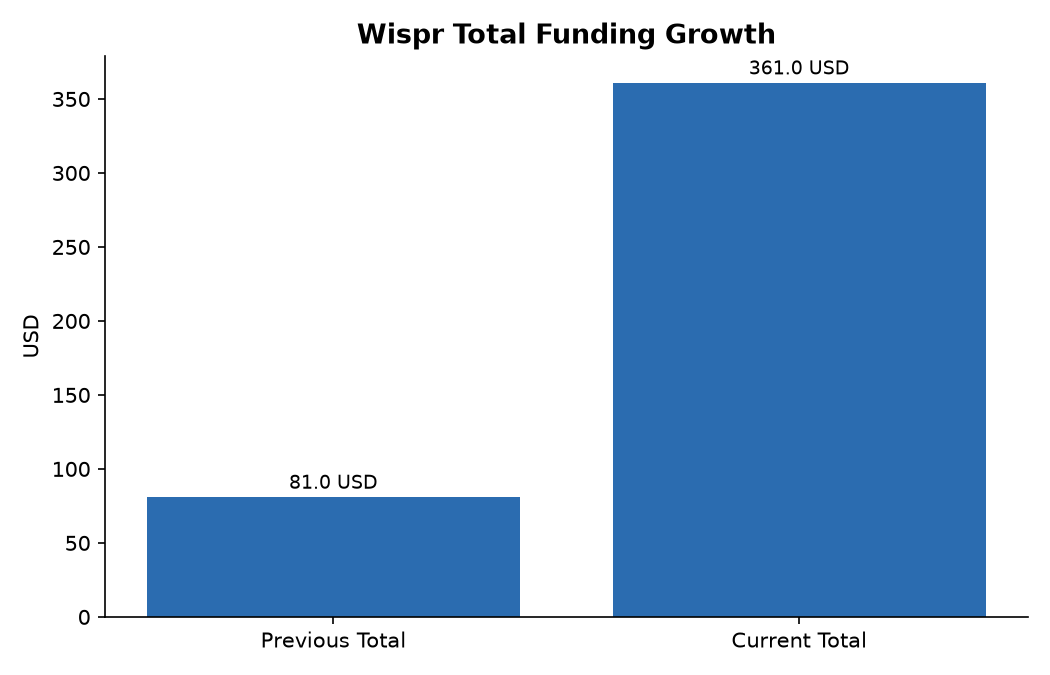
The artificial intelligence sector continues to see significant capital inflows, evidenced by Wispr’s latest financial milestone. The startup has successfully closed a $280 million Series B funding round, bringing its total capital raised to $361 million. This surge in investment places the company at a staggering $2 billion valuation, a testament to the growing demand for seamless voice-to-text and ambient computing solutions.
Expanding the Product Ecosystem
While Wispr built its reputation through high-accuracy dictation tools, the company is no longer content with being just a transcription service. The new funding is earmarked for a strategic expansion into meeting intelligence. The company recently introduced a specialized note-taker designed to automate summaries and action items, directly competing in a crowded market of productivity assistants.
The roadmap for Wispr is multifaceted:
- Meeting Intelligence: Automating summaries and creating follow-up drafts from spoken discussions.
- Hardware Integration: Partnering with wearable manufacturers to allow discreet, low-volume dictation via devices like smart rings.
- Next-Gen Interfaces: Through its new research arm, the company is exploring how voice can replace traditional keyboard and mouse inputs entirely.
Solving the Accuracy Hurdle
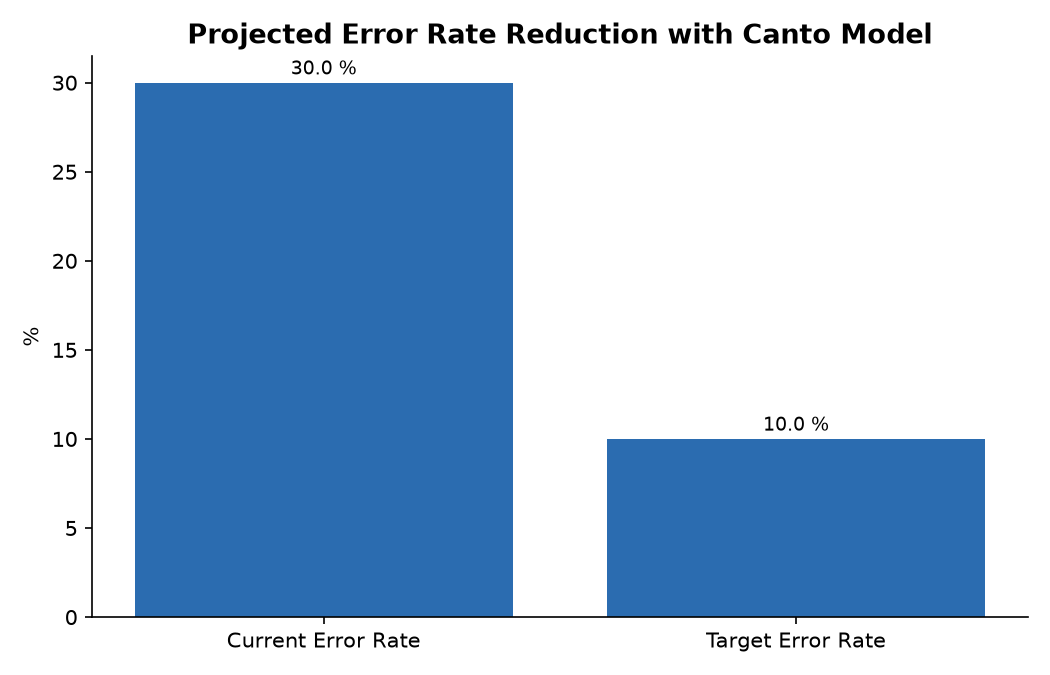
As AI tools become more integrated into professional workflows, the margin for error shrinks. Following user feedback regarding performance consistency, the company is rolling out a new proprietary model named Canto. This technological upgrade is specifically designed to address previous transcription inconsistencies, aiming to drastically slash error rates to ensure professional-grade reliability.
Navigating a Crowded Market
The race for voice-driven AI is intensifying. Wispr faces pressure from both niche transcription apps and broader productivity platforms. To maintain its edge, the company is scaling its global operations, with significant growth efforts already underway in key markets like the United Kingdom and India. By bridging the gap between software and hardware, Wispr aims to become an indispensable layer of the modern digital workspace.