

The Case for Making Chips Among the Stars
Ground-based chip fabrication is an exercise in fighting physics. Every fabrication plant requires enormous pressurized clean rooms to keep microscopic dust and contaminants from ruining microscopic transistors. The cost and complexity are staggering, which is why a growing number of entrepreneurs are asking a radical question: what if you simply moved the manufacturing process into space?
That is the premise behind Besxar, a startup founded by Ashley Pilipiszyn, a former OpenAI staffer. The company aims to produce the key precursors for advanced semiconductors by leveraging the natural vacuum of orbit — an environment that, in theory, eliminates the contamination problem entirely.
How It Works — And What Flew Already
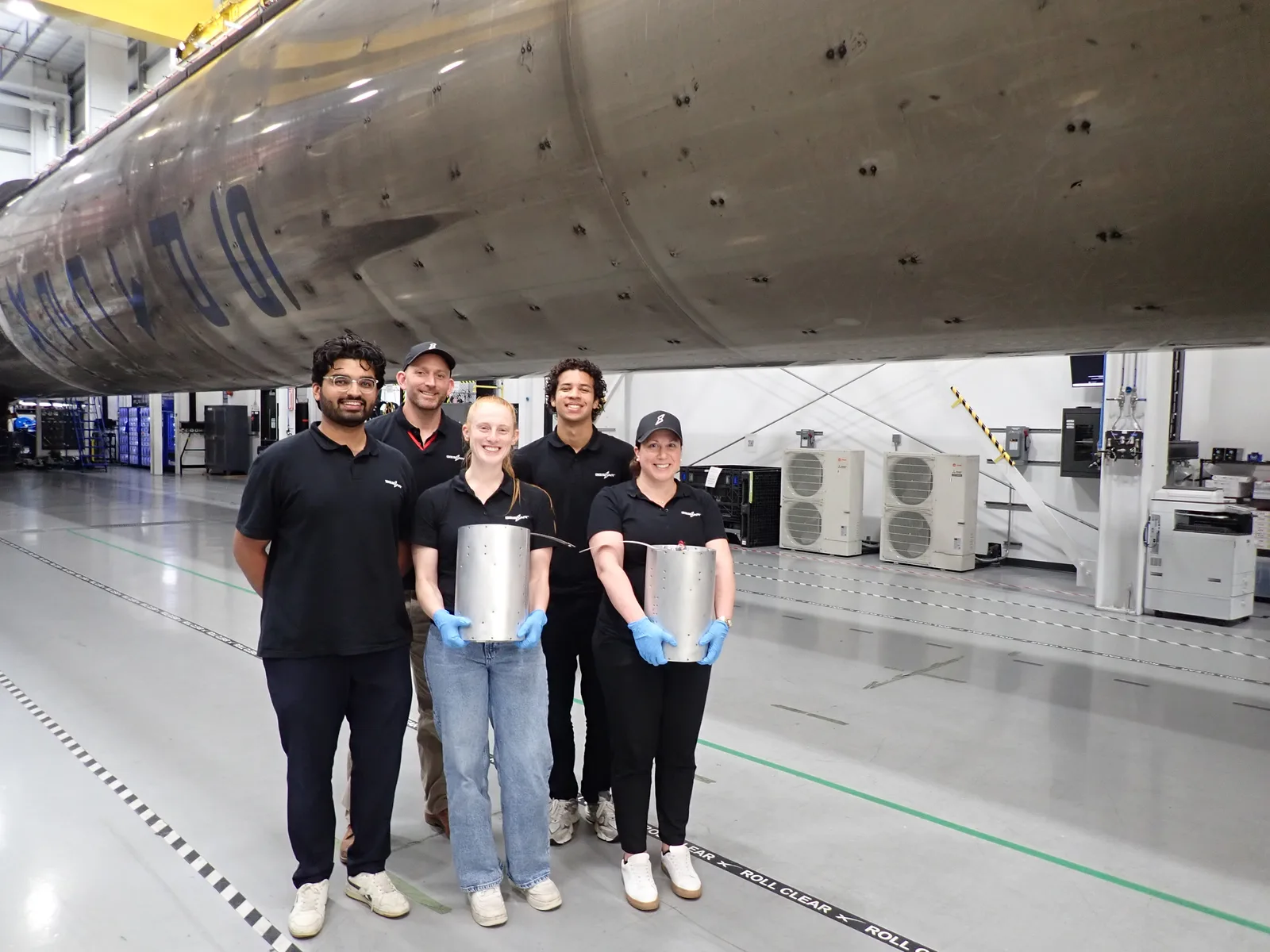
Besxar’s approach centers on small canisters it calls « fabships. » These compact containers carry semiconductor wafer samples into orbit, expose them to the vacuum of space, and then return them to Earth for analysis. In July, two of these fabships hitched a ride on a Starlink mission.
The objectives were straightforward: survive launch, protect the wafers from contamination, and expose them to orbital vacuum conditions. Despite a malfunction in one canister’s flight data system — currently under investigation — the company declared the mission a success. The returned samples were reportedly the cleanest ever produced, with less particulate matter than non-flown terrestrial wafers.
Funding and the Road Ahead
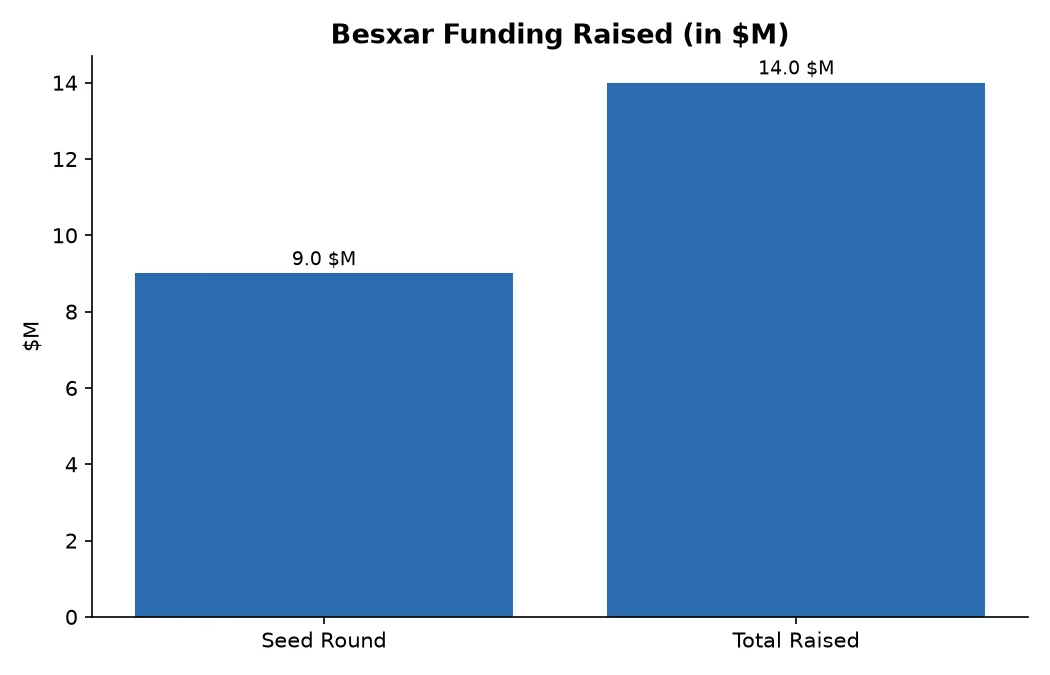
Besxar has raised nearly $14 million to date, including a $9 million seed round led by Dauntless Ventures and Overture VC. That capital is fueling a two-year iteration plan: next steps include heating wafers in orbit, depositing single and then multiple materials layer by layer.
The ultimate vision is more ambitious. Pilipiszyn wants Besxar to supply leading chipmakers with wafers used to produce advanced chips that regulate electrical power in data centers, robots, and electric vehicles. To reach that scale, the company is counting on SpaceX’s Starship — the next-generation rocket still in development — to carry larger fabs into orbit at lower cost.
The Bigger Picture: Space Manufacturing’s Chicken-and-Egg Problem
Besxar is not alone. Companies like United Semiconductors and Space Forge are pursuing similar space-based semiconductor strategies. All face the same bottleneck: the ability to return a meaningful volume of product to Earth remains extremely limited.
Pilipiszyn expects to scale from hundreds to thousands of wafers per fab, but that trajectory depends on one critical factor — cheap, frequent rocket access. If SpaceX can operationalize Starship, or if competitors like Rocket Lab and Stoke Space get their own next-generation vehicles flying, the economics could shift dramatically.
For now, Besxar is focusing on what it can control. « We believe that there is a solid transport layer now, so we can focus on the application layer, » Pilipiszyn said. In other words, let the rockets handle the hard part — the company will handle the manufacturing.