

The Reality Check for AI in Healthcare
The promise of artificial intelligence in medicine has become a staple of tech industry optimism. Prominent figures in the field frequently suggest that AI could solve the mysteries of cancer or eliminate various diseases within a decade. However, despite the hype, the actual rate of new drug discoveries driven by AI remains modest. Most current models rely on data from animal testing or isolated protein studies, which often fail to translate to human biology.
The core issue is not the intelligence of the algorithms, but the quality of the data feeding them. Many existing models learn from static snapshots of cells, meaning they understand what a cell looks like, but not the causal chain of how it reached that state. Without understanding causality—how a specific stimulus leads to a specific biological reaction—AI is essentially guessing.
Bridging the Biological Data Gap
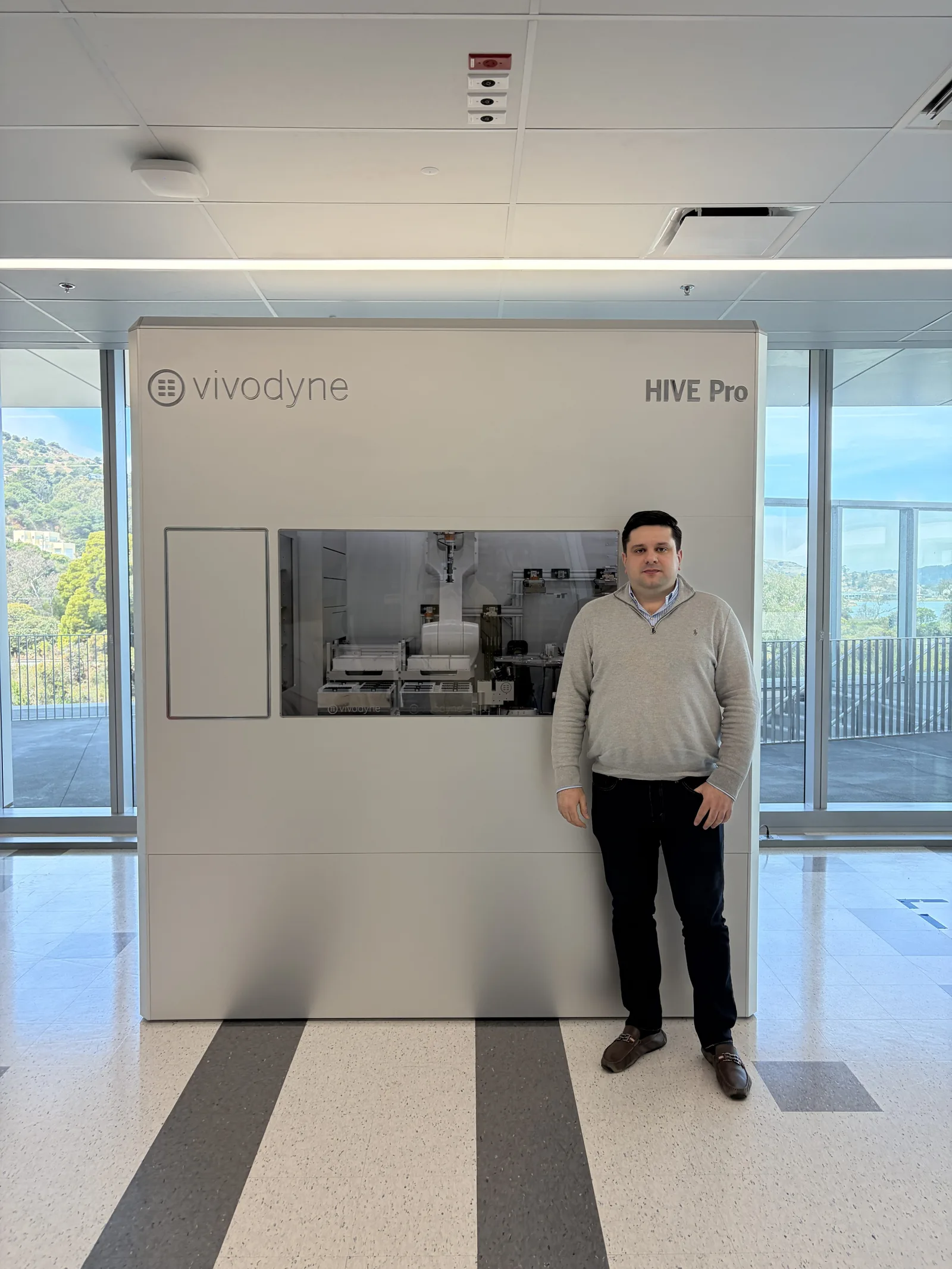
To move beyond the limitations of animal testing, which sees a significant failure rate when transitioning to human clinical trials, researchers are turning to advanced automation. A new frontier in biotech involves modular, robotic laboratory systems designed to grow various types of human tissue.
These autonomous systems can dose and monitor living human tissues, providing the complex, dynamic data that current AI models lack. By observing how living tissue reacts to different stimuli in real-time, these labs create a ‘human data center’ that can train models on actual human biological responses rather than proxy animal data.
Precision in Predictive Modeling
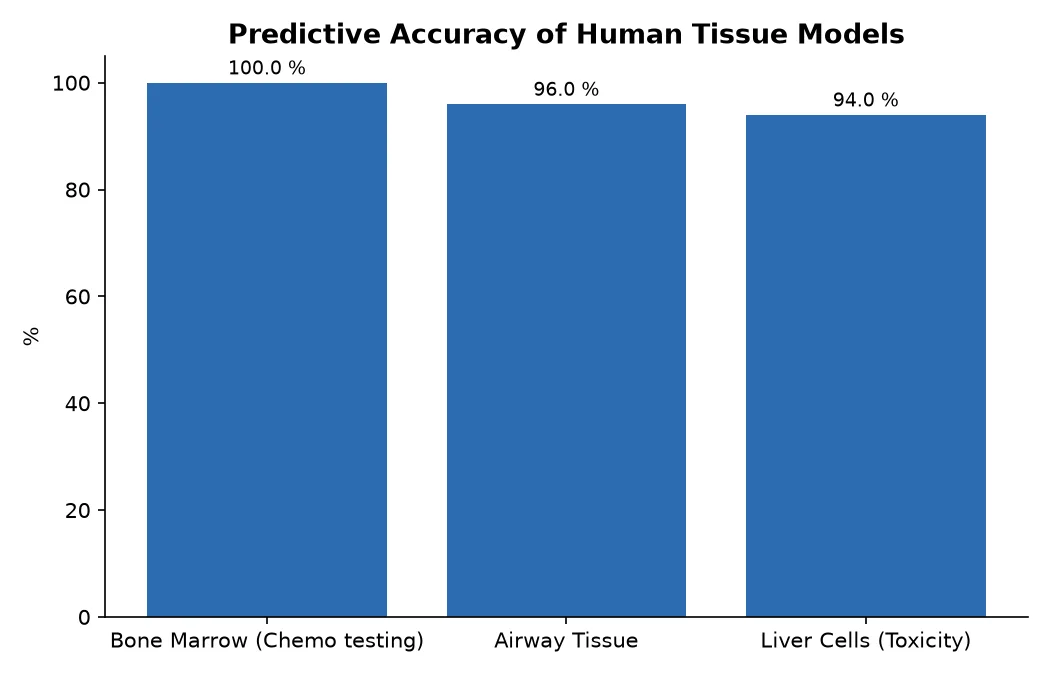
The accuracy of these human-tissue-based models is already showing significant potential. By simulating how human organs behave, these technologies aim to provide a level of certainty that current methods cannot match. For instance, recent testing has shown remarkable success rates in predicting how specific tissues react to various treatments:
- Airway tissue: 96% match to real human behavior.
- Liver cells: 94% predictive accuracy regarding toxicity.
- Bone marrow: 100% concordance when tested against specific chemotherapy drugs.
This high level of precision is crucial for reducing the astronomical costs of clinical trials. Currently, bringing a drug to market involves tens of millions of dollars in testing, often with a high risk of failure late in the process. By using highly accurate predictive models, pharmaceutical companies can identify viable candidates much earlier.
The Future of Combination Therapies
As medical science moves toward treating complex, multi-faceted diseases, the complexity of potential drug combinations grows exponentially. Traditional experimental approaches are simply too slow to navigate this vast landscape. The next generation of medicine will likely require drugs that target multiple biological pathways simultaneously.
To achieve this, AI must understand the ‘why’ behind biological changes. By establishing causality through continuous, high-throughput human tissue experiments, the industry can move from simple pattern recognition to true biological understanding, finally bringing the promise of AI-driven cures closer to reality.