


An annual tax return is essentially a record of the past. A retirement tax plan is a set of decisions designed to shape what comes next. That difference matters most for people combining a pension, Social Security, IRA withdrawals, investment income, and taxable holdings. Those streams can interact in ways that make post-retirement income more expensive than expected.
1. Treat Roth Conversions as Timing Decisions
A Roth conversion moves eligible funds from a traditional retirement account into a Roth account and triggers tax on the transferred amount. Qualified later withdrawals are generally tax-free, and the original owner is not subject to lifetime required minimum distributions. The move is not automatically attractive. It can be compelling during years with unusually low income, but the analysis must include state tax, future distributions, Social Security taxation, Medicare-related premiums, and estate objectives. The right test is cumulative cost over decades, not the bracket visible this spring.
2. Build Charitable Giving Into the Plan
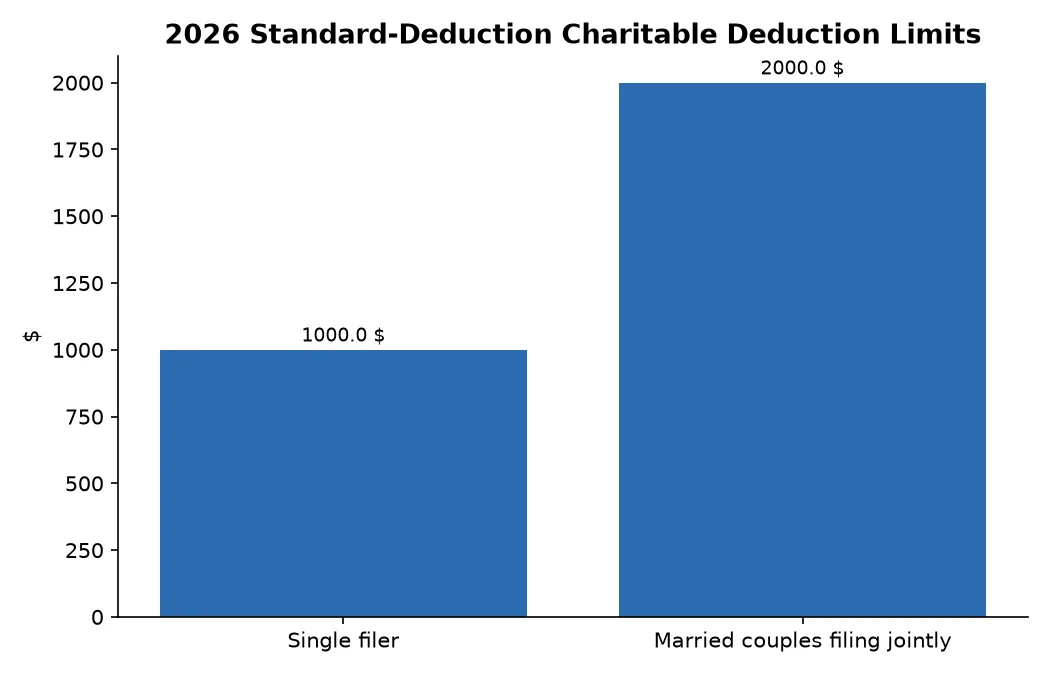
Charitable intent should be incorporated into the withdrawal strategy. For 2026, eligible taxpayers who use the standard deduction may deduct qualifying gifts up to $1,000 individually or $2,000 jointly. Older IRA owners also may use a qualified charitable distribution after reaching age 70½, sending funds directly from an IRA to charity. Depending on applicable limits, the transfer can help satisfy a required distribution while generally staying out of adjusted gross income. The key questions are which account to use and when to give, not just how large the gift is.
3. Create Tax Diversification
Tax diversification means holding assets in accounts with different treatments: taxable, tax-deferred, and Roth. No bucket is best in every year. A high-income year may favor qualified Roth withdrawals, while a lighter year may make traditional-account withdrawals more efficient. A taxable account can provide flexibility, though sales and distributions create reporting and tax consequences. The goal is not equal balances; it is enough variety to choose the least disruptive funding source as circumstances change.
4. Model Pension Choices for Two Household Scenarios
Pension elections should be evaluated with a survivor scenario. A monthly benefit offers longevity protection, while a lump sum may provide control and investment potential. Taxes affect both, but so do health assumptions, liquidity, benefit design, and obligations to a surviving dependent. After one partner dies, filing status and remaining household income can change sharply. That shift may also affect the larger surviving Social Security payment. Pension modeling should therefore compare taxes for two lives and one life before an election becomes irreversible.
5. Watch Income Bands, Not Just Brackets
Look beyond the ordinary income bracket. Combined pension, IRA, investment, and Social Security income can increase the portion of benefits subject to tax and move a retiree into higher Medicare premium bands. It can also reduce access to favorable capital-gains tiers. In practical terms, an additional dollar of income may carry an income tax, a premium increase, or both. Scenario analysis should test several years ahead rather than optimizing one return.
6. Manage Investment Gains and Losses
Investment placement is part of tax planning. Appreciated securities generate gains when sold, and some mutual funds pass through taxable distributions even without a sale. Selling a loser can offset gains through tax-loss harvesting, subject to applicable rules, including restrictions on quickly repurchasing a substantially identical investment. Tax-efficient holdings may suit taxable accounts, while growth potential can be especially valuable inside a Roth. Placement should be assessed across the entire portfolio, not asset by asset.
7. Plan the Destination of Required Distributions
Required distributions need a destination before they begin. If money withdrawn solely because of a required distribution is placed into a taxable account, it can generate interest, dividends, or future gains that were not needed for spending. A retiree can instead plan for the cash requirement, consider conversion or charitable options, and avoid reinvesting more than necessary. The timing of sales, conversions, gifts, and withdrawals should be reviewed well before year-end.
8. Connect Tax Preparation With Forward Planning
Return preparation and forward planning should be connected but separate services. The first reconstructs transactions and calculates liability after the fact. The second tests choices such as account conversions, pension elections, charitable transfers, and investment sales before they happen. A tax specialist and financial planner do not need to be the same person, but they should exchange assumptions and align recommendations. Without that coordination, a tax-efficient investment can undermine the income plan, or a comfortable cash withdrawal can create an avoidable tax bill.
The aim is not tax elimination. It is sequencing: matching each dollar of retirement income with the account and year that make it least costly. For a retirement lasting two or three decades, small annual choices can compound into tens of thousands of dollars. Start with a multi-year projection, identify the income bands that trigger consequences, and revisit the plan whenever pension, account, household, or tax rules change.