


Understanding Your Investment Vehicles
When building a long-term portfolio, understanding the mechanics of your chosen funds is crucial. Investors generally choose between two primary styles: active management and index tracking.
- Actively Managed Funds: Professional managers conduct deep research to select specific assets, aiming to outperform the broader market. While this offers the potential for higher returns through agility, it often comes with higher management fees.
- Index Funds: These funds follow a predefined set of rules to replicate a specific index, such as the S&S 500. Because they don’t require constant human intervention, they typically offer significantly lower expense ratios, often providing a mathematical advantage over active managers over several decades.
Key Sectors and Fund Opportunities
As the global economy evolves, certain sectors and strategies are positioning themselves for significant shifts. Based on recent market analysis, here are several areas of interest for long-term investors:
1. The S&P 500 Benchmark
For many, the core of a portfolio remains a broad market index. For instance, the Fidelity 500 Index Fund (FXAIX) offers an extremely cost-effective way to gain exposure to large-cap U.S. companies. By tracking the market-cap-weighted S&P 500, it provides instant diversification across giants like Apple and Nvidia with minimal overhead.
2. Financial Services Recovery
The financial sector is often seen as a cornerstone of economic stability. Despite recent volatility, analysts suggest that converging tailwinds—such as improving credit quality and a potential turnaround in mergers and acquisitions—could bolster this sector. Funds like the T. Rowe Price Financial Services Fund (PRISX) focus on this space, offering concentrated exposure to banking and insurance leaders.
3. Emerging Market Growth
For investors looking beyond domestic borders, emerging markets offer high-growth potential. The Dodge & Cox Emerging Markets Stock Fund (DODEX) targets undervalued companies in developing regions. This strategy focuses on capturing value in mega-cap international firms that may be overlooked by domestic-centric investors.
4. Managing Volatility and Credit Risk
In uncertain economic climates, two distinct approaches can help balance a portfolio:
- Low Volatility Strategies: Funds like the Vanguard Global Minimum Volatility Fund (VMVFX) use rules-based strategies to minimize price swings, making them suitable for those seeking a smoother ride through market turbulence.
- High-Yield Debt: For those seeking income, high-yield (or ‘junk’) bond funds like the T. Rowe Price High Yield Fund (PRHYX) provide exposure to non-investment-grade corporate debt. These funds can perform well as economic cycles mature and credit spreads compress.
Risk Management and Market Outlooks
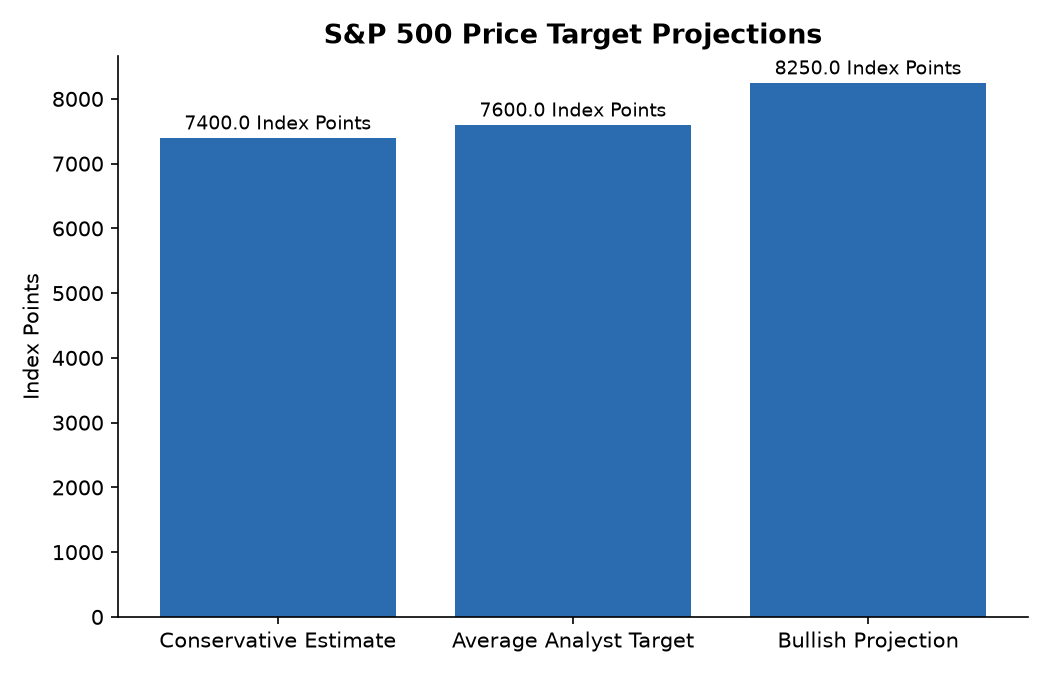
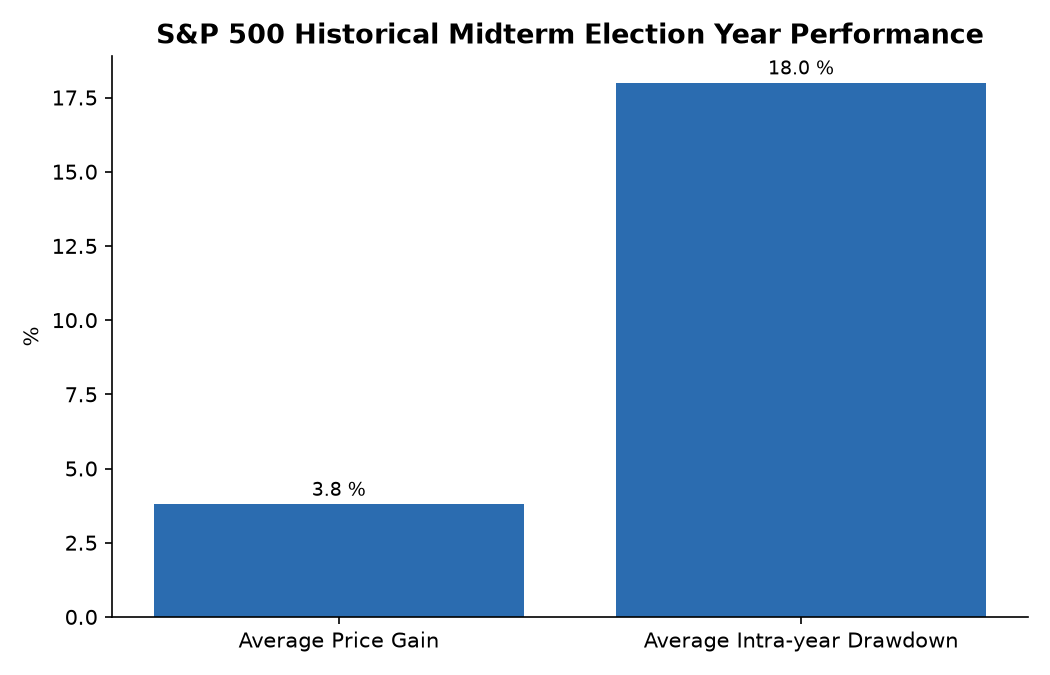
While optimism drives long-term investing, caution is warranted. Some analysts point to high market valuations relative to GDP as a potential signal for caution. Historically, periods of significant volatility often coincide with election years or shifting employment data. Therefore, viewing market forecasts as directional guides rather than exact roadmaps is the most prudent way to navigate the journey toward long-term financial goals.