


Stability in a Volatile Market
Despite a broader sell-off in global risk assets, Bitcoin has demonstrated significant strength, maintaining its position just above $78,400. While many assets are reacting sharply to new economic data, the leading cryptocurrency has largely traded within a tight range, oscillating between approximately $77,200 and $79,200 over the last 24 hours.
This period of consolidation follows a powerful performance in August, which saw a 24% increase in value. This momentum was bolstered by significant institutional activity, including recent large-scale acquisitions totaling hundreds of millions of dollars, marking a return to aggressive buying strategies after a period of inactivity.
The Impact of Federal Reserve Sentiment
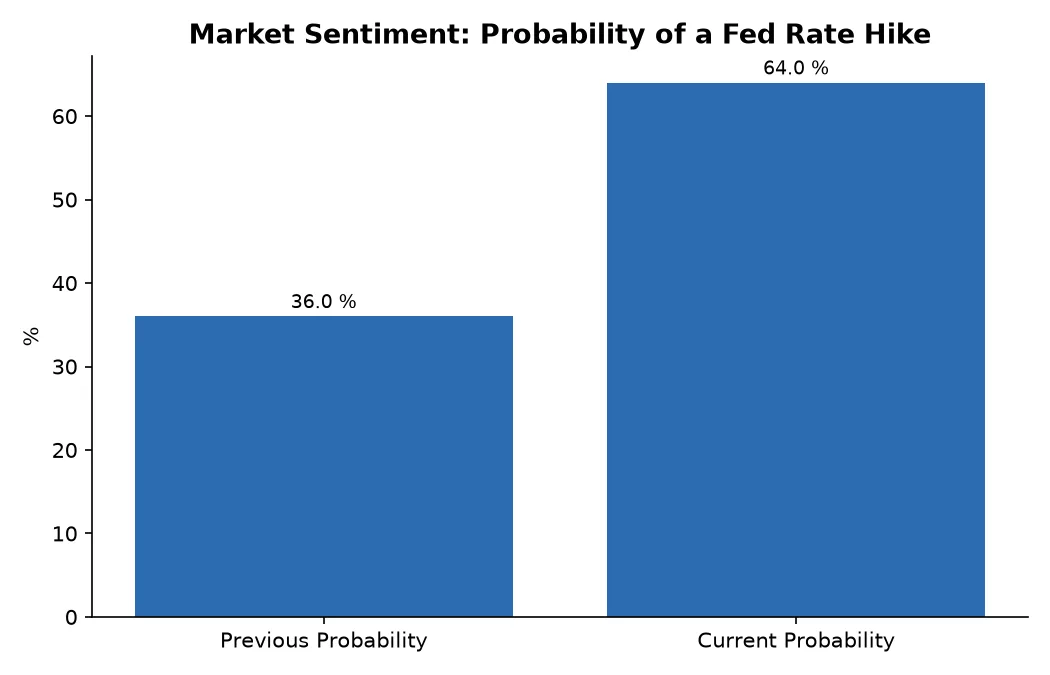
The primary driver of current market tension appears to be the shifting sentiment regarding monetary policy. Recent commentary regarding central bank trajectories has led traders to adjust their bets. There is now a significantly higher probability priced into the market for a potential interest rate hike in mid-September compared to previous weeks.
This hawkish shift is closely linked to rising yields in the U.S. Treasury market and fluctuations in energy prices. As oil prices rise due to geopolitical tensions, the pressure on interest rates increases, creating a challenging environment for speculative assets. If upcoming labor market data shows unexpected strength, it could drive yields even higher, potentially testing Bitcoin’s recent support levels near $77,200.
Analyzing Crypto Market Dynamics
While Bitcoin remains steady, the broader altcoin market is showing mixed results. Some specific assets have managed to decouple from the downward trend, posting gains even as major players like Ether and Solana experienced slight declines. Meanwhile, other tokens have faced more significant downward pressure.
Key indicators suggest a shift in how the market is structured:
- Reduced Leverage: Open interest in perpetual contracts has hit levels not seen since late spring, suggesting that the market is less « overcrowded » with leveraged long positions.
- Spot Demand: Recent weeks have seen intense demand through spot exchange-traded funds (ETFs), indicating that much of the recent price action is driven by direct asset purchases rather than speculative borrowing.
- ETF Flow Shifts: After a prolonged streak of significant inflows, recent data shows a reversal, with outflows marking the end of a multi-day positive trend.
As the market awaits critical economic reports, the lack of clear directional conviction suggests a period of watchful waiting. Investors are currently caught between the strong underlying spot demand and the looming uncertainty of high-interest-rate environments.