

The Challenge of Fiscal Discipline
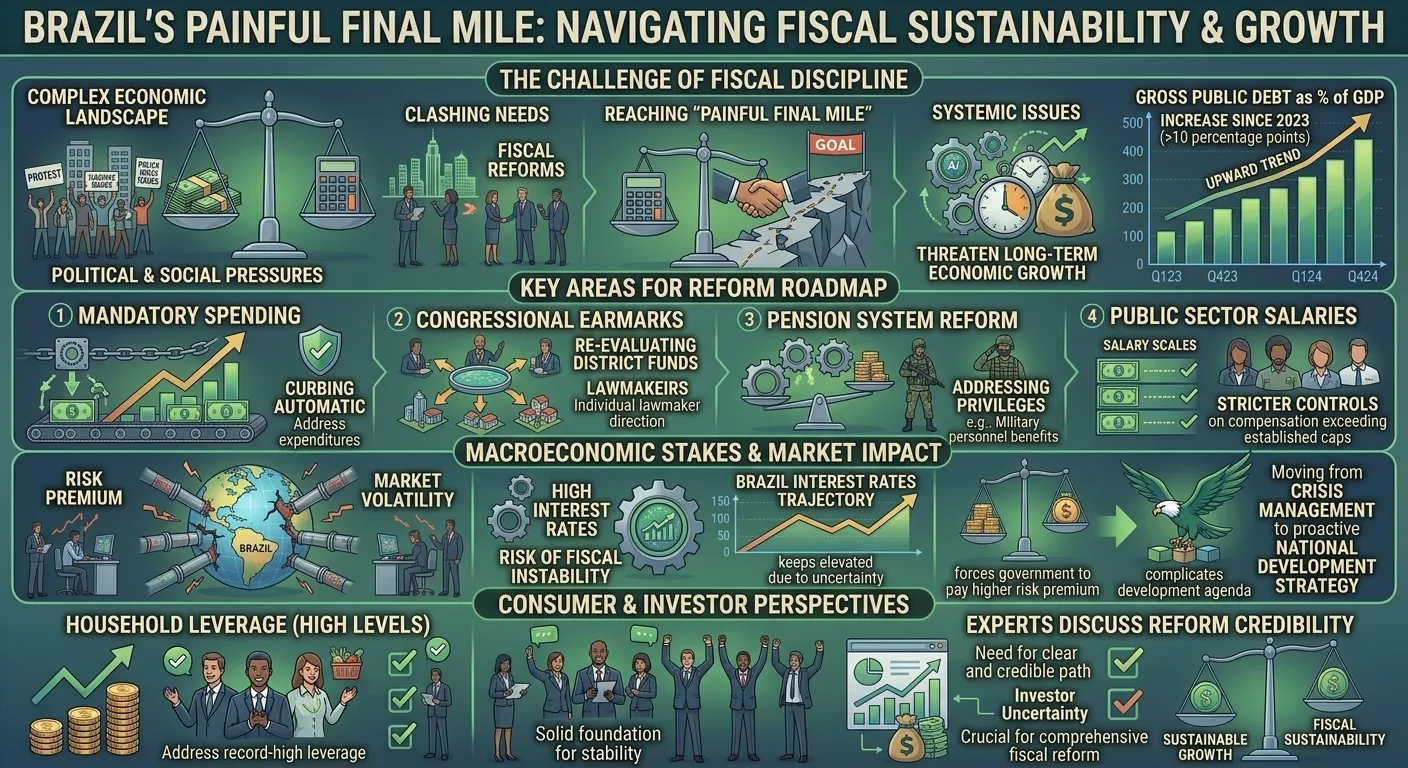
Brazil is currently navigating a complex economic landscape where the need for fiscal stability is clashing with significant political and social pressures. Recent statements from the country’s finance ministry highlight that the nation has reached a ‘painful final mile’ in its quest for comprehensive fiscal reform. This phase is considered crucial for addressing several systemic issues that threaten long-term economic growth.
The primary objectives of these reforms include managing high interest rates, stabilizing a rising public debt, and addressing record-high levels of household leverage. Without a clear and credible path toward fiscal sustainability, the country remains vulnerable to market volatility and high borrowing costs.
Key Areas for Reform
To achieve a stable economic environment, several specific areas of government spending and systemic privilege must be addressed. According to recent official discussions, the roadmap for reform includes:
- Mandatory Spending: Finding ways to curb the automatic growth of government expenditures.
- Congressional Earmarks: Re-evaluating the significant amount of funds directed by individual lawmakers toward local district projects.
- Pension System Reform: Addressing specific privileges within the pension framework, particularly those benefiting military personnel.
- Public Sector Salaries: Implementing stricter controls on compensation that exceeds established caps.
The Macroeconomic Stakes
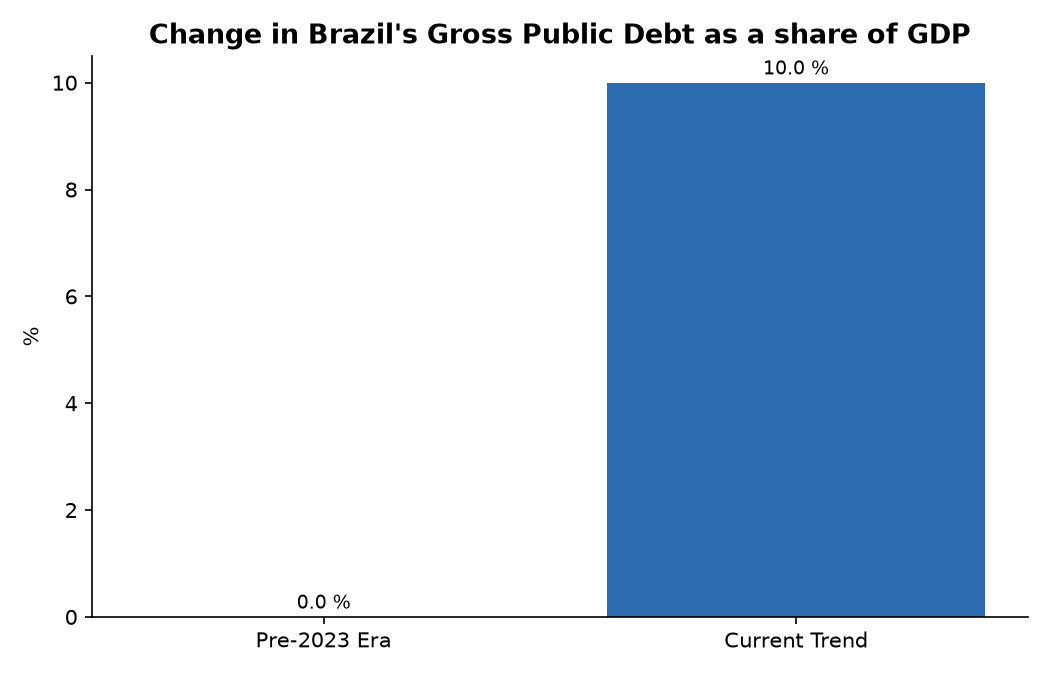
The urgency of these measures is driven by the deteriorating state of public finances. Since the current administration took office in 2023, the country’s gross public debt as a percentage of GDP has seen a significant increase, rising by more than 10 percentage points.
For investors, the absence of a detailed plan to curb mandatory spending or reform the pension system creates uncertainty. This lack of clarity forces the government to pay a higher risk premium to finance its operations, which in turn keeps interest rates elevated and complicates the broader development agenda. Successfully navigating these reforms is seen as essential for moving from mere crisis management to a proactive national development strategy.