

Monthly Inflation Surprises to the Upside
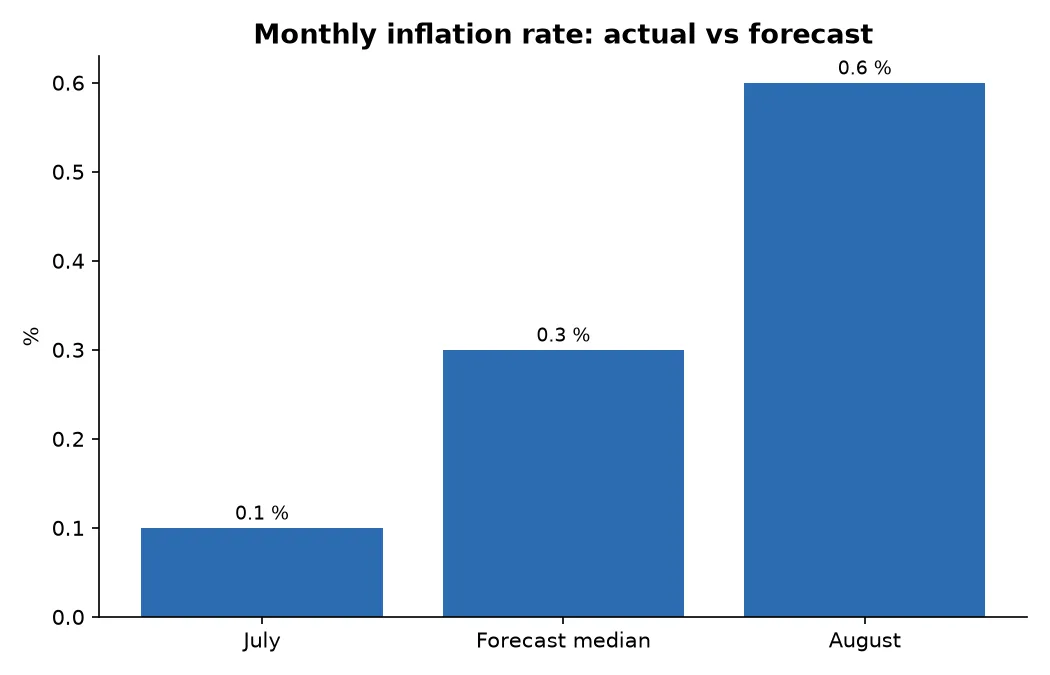
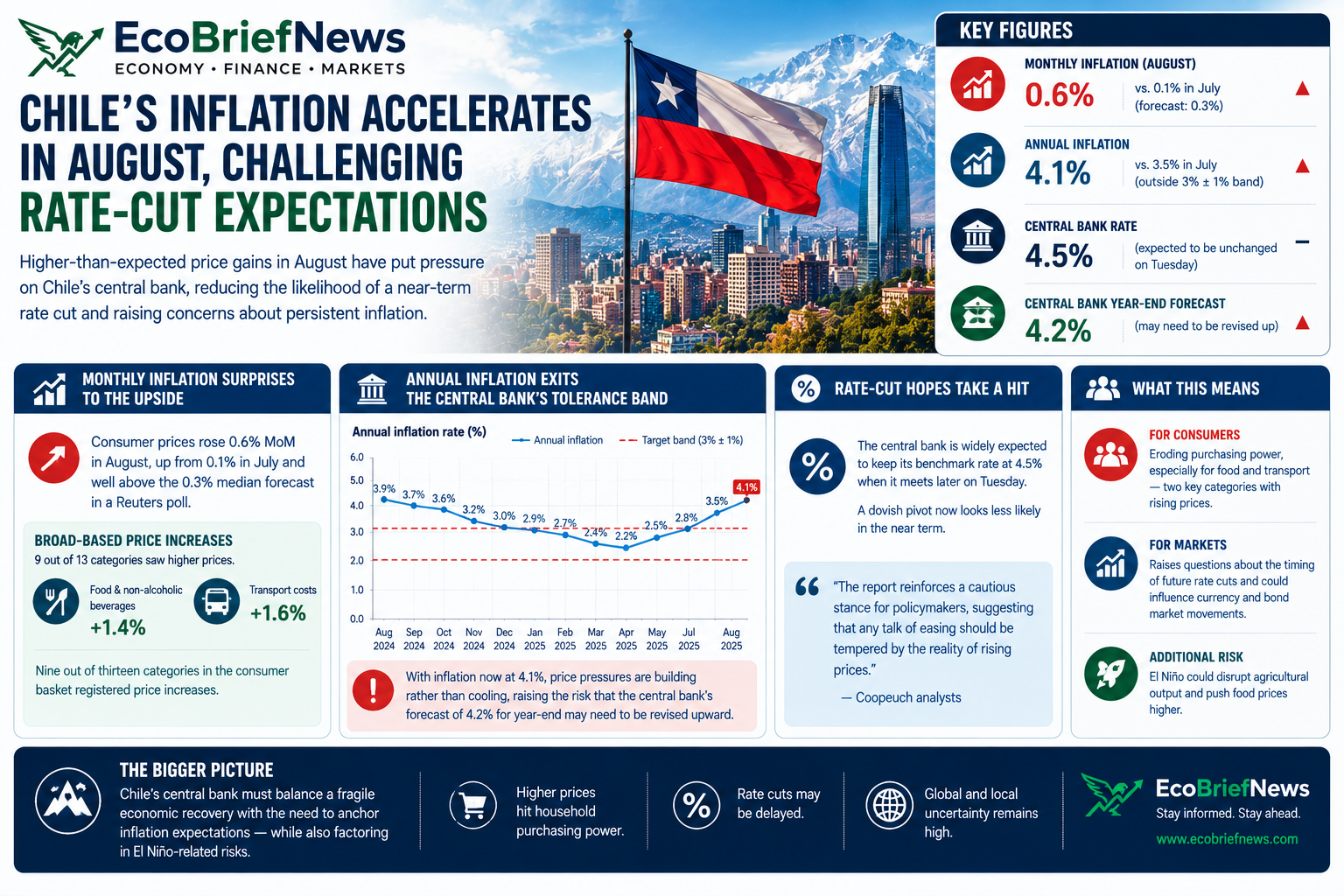
Chile’s cost of living climbed 0.6% month-over-month in August, according to official statistics released on Tuesday. That marked a significant acceleration from the 0.1% gain recorded in July and came in well above the 0.3% median forecast compiled in a poll of economists.
The upside surprise was broad-based. Nine out of thirteen categories in the consumer basket registered price increases during the month. Food and non-alcoholic beverages were the standout drivers, jumping 1.4%, while transport costs rose 1.6%.
Annual Inflation Exits the Central Bank’s Tolerance Band
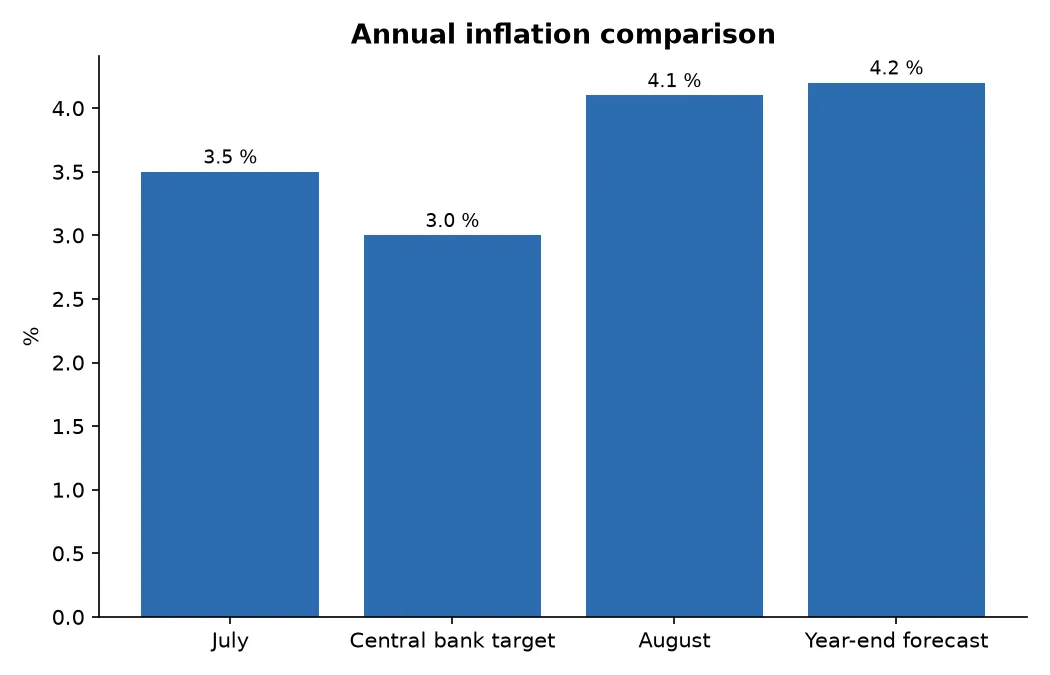
On a year-over-year basis, consumer prices climbed to 4.1%, up from 3.5% in July. That moves the reading outside the central bank’s official tolerance range of 3%, plus or minus one percentage point — a signal that price pressures are building rather than cooling.
Scotiabank analysts flagged the risk that inflation expectations could drift higher, noting that the central bank’s year-end forecast of 4.2% may need to be revised upward. They also pointed to the potential knock-on effects of the El Niño weather phenomenon, which can disrupt agricultural output and push food prices further.
Rate-Cut Hopes Take a Hit
The inflation print complicates the outlook for Chile’s monetary policy. The central bank is widely expected to leave its benchmark interest rate unchanged at 4.5% when it convenes later on Tuesday. A dovish pivot — cutting rates to stimulate growth — now looks less likely in the near term.
Analysts at savings and credit cooperative Coopeuch characterized the report as reinforcing a cautious stance for policymakers, suggesting that any talk of easing should be tempered by the reality of rising prices.
What This Means for Consumers and Markets
For Chilean households, higher inflation means eroding purchasing power, especially for staple goods like food and transport — two categories where price gains are already biting. For investors, the shift in inflation dynamics raises questions about the timing of any future rate cuts and could influence currency and bond market movements.
The central bank now faces a balancing act: supporting a fragile economic recovery while anchoring inflation expectations before they become entrenched. With El Niño posing additional upside risk to food prices, the path to rate cuts may be longer than previously anticipated.