


The New Frontier of Financial Risk
For decades, financial security was defined by market diversification and asset allocation. Today, a new dimension of risk has emerged: cybersecurity. An investor can execute a perfect long-term strategy, only to see their life savings vanish because of a single compromised login or a hijacked phone number.
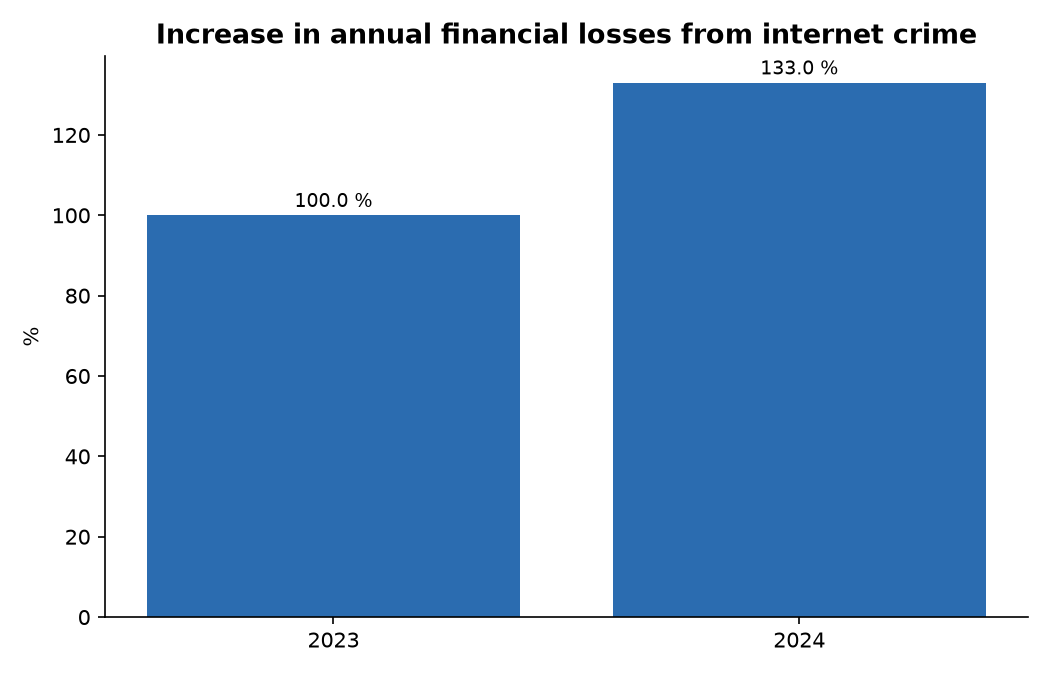
Recent data highlights a disturbing trend. Financial losses resulting from internet-based crimes have seen a massive surge, with total damages reaching $16 billion in 2024—a 33% increase compared to the previous year. This rising tide of digital theft poses a significant threat to individual wealth, particularly for older demographics who are frequently targeted by sophisticated bad actors.
How Identity Theft Unlocks Your Accounts
Hackers no longer need to break into physical banks; they simply need to bypass your digital gates. Two primary methods have become increasingly common:
- Email Compromise: Your email is the master key to your financial life. If a hacker gains access to your inbox, they can intercept sensitive communications, reset account passwords, and even request unauthorized fund transfers or distributions.
- SIM Swapping: This highly effective tactic involves hijacking your cellular number. By convincing a carrier to port your number to a new device, attackers can intercept the one-time security codes (SMS) used for two-factor authentication (2FA). Once they have these codes, they can bypass security and gain full control of your brokerage accounts.
Once these digital identities are compromised, the consequences are severe. Beyond the immediate loss of funds, victims often face long periods where assets are frozen during investigations, leading to significant liquidity issues.
Proactive Strategies for Digital Defense
Securing your wealth in the digital age requires a proactive approach to ‘cyber hygiene.’ Relying solely on your bank’s security is not enough; you must fortify your personal digital perimeter.
1. Move Beyond SMS Authentication
While SMS-based codes were once the standard, they are now considered vulnerable. Experts recommend transitioning to more robust methods, such as authenticator apps (which generate time-based codes) or passkeys. These methods do not rely on the cellular network, making them immune to SIM swapping attacks.
2. Hardening Your Email Security
Your email account should be treated as a high-security vault. This means using complex, unique passwords and enabling advanced security features, such as hardware security keys or backup recovery codes. Always perform regular security checkups provided by your email service to ensure no unauthorized devices have access.
3. Utilizing Password Managers
To avoid the trap of reusing passwords—a major security flaw—use a dedicated password manager. Using a third-party, cloud-synced manager is often safer than relying on built-in browser tools, as it ensures you can regain access to your credentials even if you lose your primary mobile device.
Conclusion: Integrating Cyber Literacy into Financial Planning
Digital literacy is now an essential component of financial literacy. Just as you diversify your stock holdings to mitigate market risk, you must diversify your security measures to mitigate digital risk. Protecting your assets requires constant vigilance and an understanding that in the modern era, your digital identity is your most valuable financial asset.