


The Growing Tension Between Innovation and Regulation
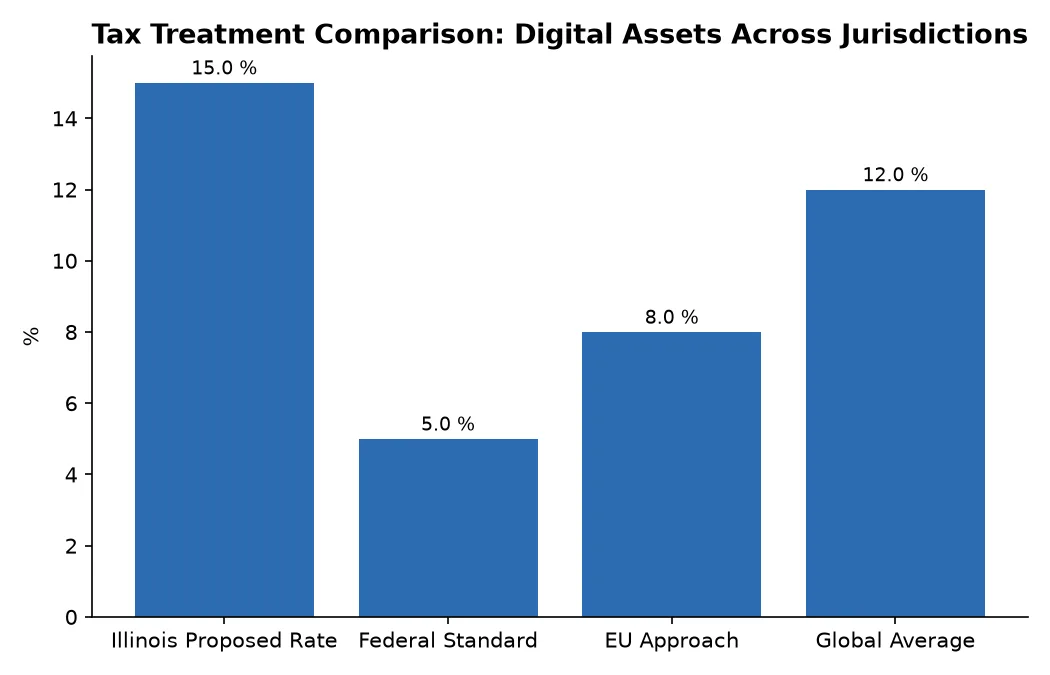
As blockchain technology matures and institutional adoption accelerates, policymakers face the difficult task of balancing creative economic growth with effective governance. Illinois’ recent legislative efforts to define digital asset taxation sparked immediate controversy among advocates who argue that current frameworks do not fully protect investors or reflect crypto market realities. This legal challenge is more than a protest; it is a strategic attempt to establish clearer standards before widespread implementation. The situation mirrors battles in other states where rapid technological adoption outpaces legislative understanding, revealing the gap between traditional tax codes and modern digital assets.
Why Digital Asset Taxation Remains Contentious
Understanding the core of this dispute reveals several critical tensions. First, extreme volatility makes accurate valuation problematic, complicating tax assessments. Analysts note that price swings can erase or create millions overnight, leaving authorities struggling to apply consistent rules. Second, decentralized architectures defy traditional ownership models, causing confusion over whether assets are property, commodities, or financial instruments. Third, states seeking revenue clash with groups demanding consumer safeguards and transparent reporting. The Illinois case highlights how these interests collide.
Implications for Investors and the Broader Ecosystem
The outcome could reshape global regulatory approaches to digital economies. Restrictive rulings might deter listings or hub operations, while favorable decisions could encourage expansion. For investors, legal certainty reduces compliance risks and supports participation in the evolving financial landscape, though uncertainty remains until the precedent is confirmed by courts.