


Macroeconomic Trends: Growth and Interest Rates
The economic landscape for 2027 is expected to be one of steady, moderate expansion. Projections suggest a GDP growth rate of approximately 2.2%, following a similar trend in the preceding year. While a recession remains unlikely—provided global maritime stability in the Persian Gulf is maintained—the era of ultra-low interest rates is transitioning into a new phase.
The Federal Reserve is anticipated to continue a gradual tightening cycle, potentially raising short-term interest rates from 3.5% to 4.0% between late 2026 and the end of 2027. While there may be internal discussions regarding rate cuts, the prevailing trend points toward a controlled increase to manage ongoing inflation.
The Inflation Challenge and Wage Growth
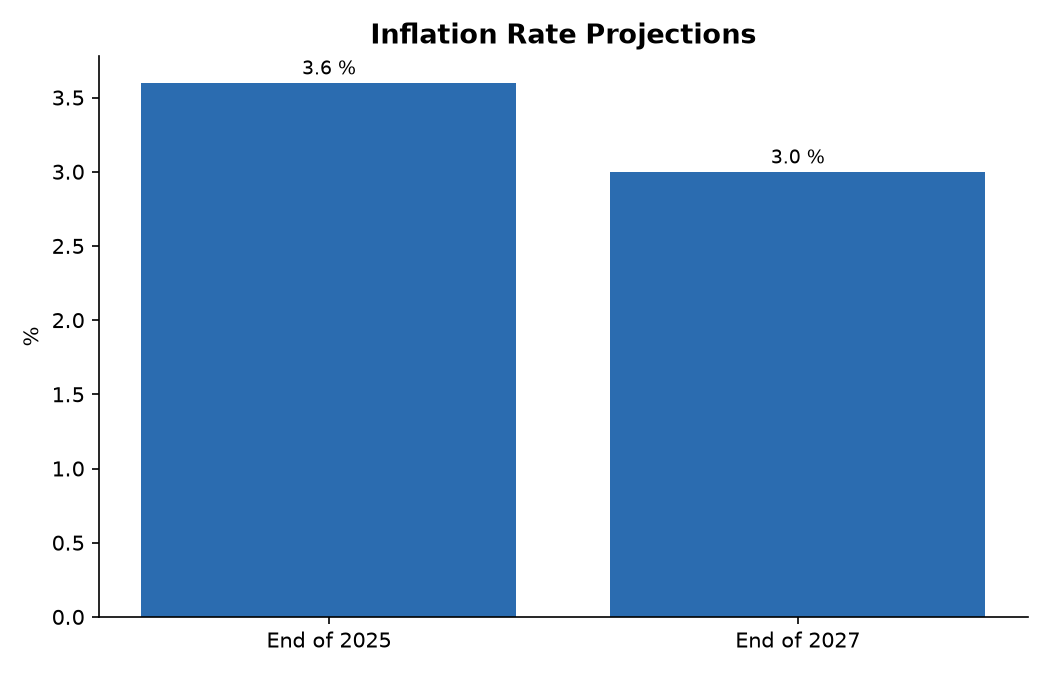
Inflation is expected to remain a stubborn factor for businesses to manage. While it is projected to cool slightly to 3.0% by the end of 2027, it remains notably higher than previous years. This persistent inflation will likely influence labor costs, with wage increases expected to hold steady at around 3.0%.
However, total compensation packages for employees will likely rise more sharply, reaching an estimated 4.0% increase. This rise is driven largely by escalating healthcare expenses, with insurance premiums per employee expected to climb by 6.7%.
Energy and Utility Cost Projections
Energy costs will be heavily dictated by geopolitical stability. If tensions in the Middle East subside, a surplus of supply could lead to a modest decline in oil and fuel prices. However, diesel may see less relief than gasoline due to ongoing refinery capacity constraints.
Key Energy Price Forecasts
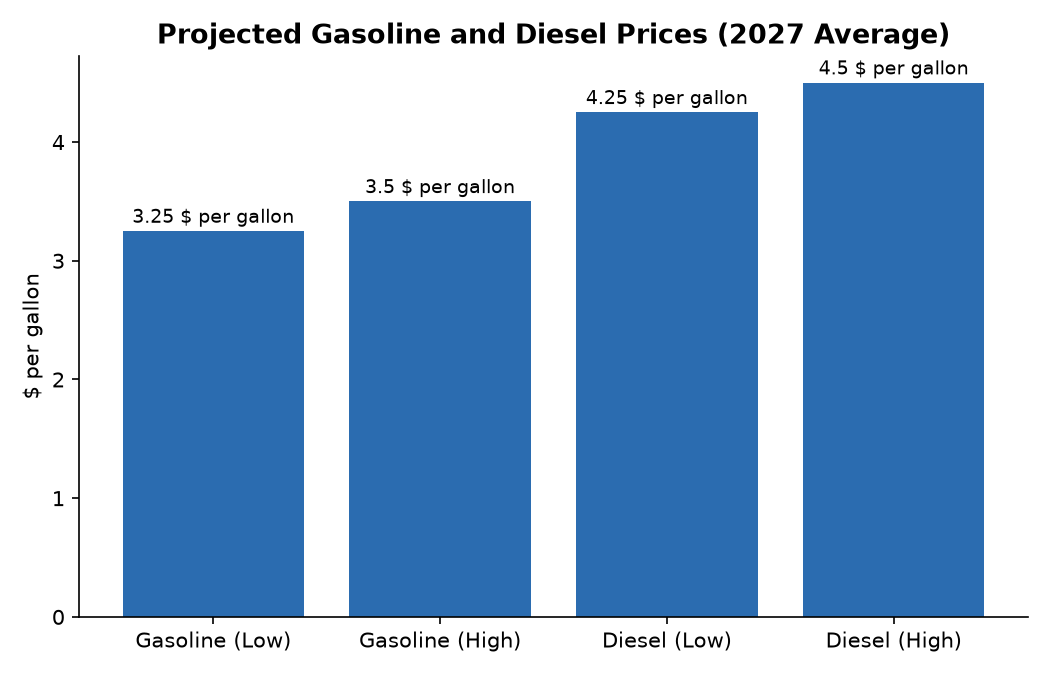
- Gasoline: Expected to average between $3.25 and $3.50 per gallon.
- Diesel: Projected to settle in the $4.25 to $4.50 range.
- Natural Gas: Anticipated to rise by roughly 5% due to increased domestic consumption and global supply constraints.
The Utility Burden
Electricity costs are set to remain a significant concern. Commercial and industrial users should prepare for rate hikes in the 6-7% range, while residential consumers may face even more aggressive increases as demand outpaces utility infrastructure upgrades.
Insurance and Professional Services
The insurance market is expected to present a mixed landscape in 2027. While well-managed commercial properties might see lower premiums, those in catastrophe-prone areas could face increases of up to 5%, and businesses with recent claims could see jumps as high as 10%.
Liability coverage, including general and umbrella policies, is forecasted to rise by 5% to 20%. Meanwhile, specialized sectors like cyber insurance will see divergent results: robust security protocols may secure rate stability, while higher-risk profiles will face increases of up to 10%.
Technology and Logistics: What to Expect
The technology sector is seeing a shift in both pricing and service models. Hardware costs—including smartphones and PCs—are expected to rise due to the increasing cost of components like memory. Furthermore, high-end AI services are likely to become more expensive, even as competitors offer more budget-friendly alternatives.
In logistics, the shipping market shows signs of stabilization. While truck spot rates remain significantly higher than 2025 levels, they are expected to decline by about 7% in 2027. Conversely, air cargo rates are expected to remain elevated, though they may begin to trend downward as fuel costs stabilize.
Real Estate and Travel Trends
The commercial real estate market will show varied performance. Prime office spaces are expected to see rent increases of 3-5%, while warehouse and retail spaces will see modest growth of 2-4% driven by sustained demand.
Travel costs will see incremental changes: airfares are expected to rise slightly due to labor and fuel factors, hotel rates are projected to increase by approximately 1.5% in the U.S., and car rental rates are expected to remain largely flat.