

The Mental Load Nobody Talks About
Raising children generates an astonishing volume of scattered information — school newsletters, family messaging group threads, sports club apps, flyers coming home in backpacks. For many parents, staying on top of it all feels like a full-time job stacked on top of a full-time job. Fambot was born from exactly that frustration.
Building What the Founders Needed Themselves
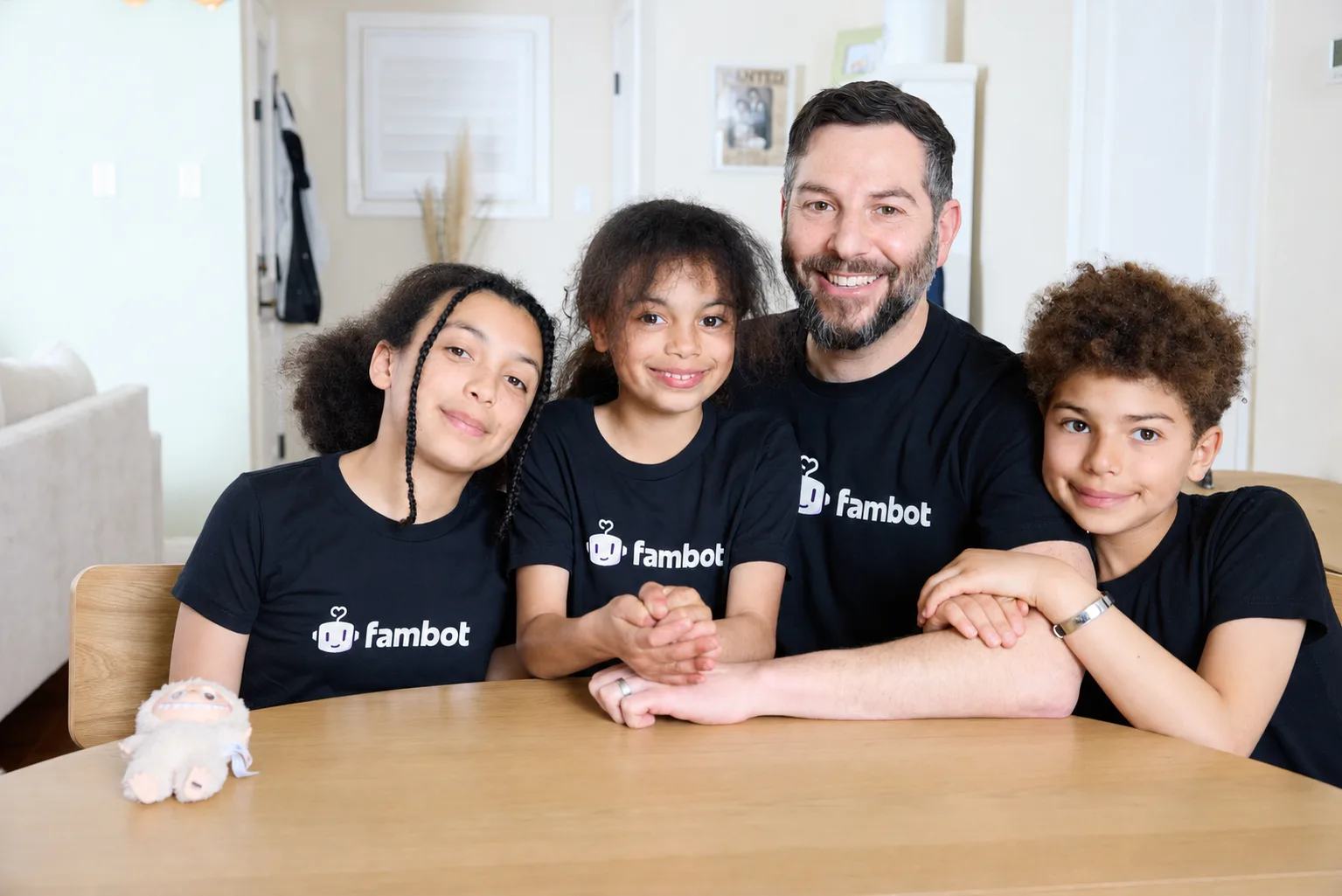
CEO David Reich, a father of three, says he often found himself spending precious evening hours catching up on dozens of emails instead of being present with his kids. That feeling — of being robbed of time with family by administrative overload — became the catalyst for the startup. Alongside co-founder and CTO Greg Karlin, a former engineer at a major social media platform, Reich began developing a solution roughly eighteen months ago. A third co-founder, Jason Morrow, who previously held roles at two of the biggest names in the technology industry, later joined the effort.
How Fambot Works
Families connect their email, calendar, and relevant messaging groups to Fambot. The system then generates a daily checklist of tasks and provides a forward-looking view of upcoming events. Under the hood, the platform leverages multiple AI models, with a strict privacy safeguard: none of the models are permitted to train on user data.
More Than Just a Text Bot
What sets Fambot apart from many competing AI agents is its interface strategy. While most AI tools in this space operate purely through text messaging, Fambot also offers a web interface and a mobile app. This opens the door to more sophisticated features — visual calendars, structured dashboards, and richer notifications — that a text-only format simply cannot support. Users can still message Fambot directly if they prefer, but the multi-platform approach signals a broader ambition.
A Market Bigger Than Expected
Before its public launch, Fambot was tested by more than 1,000 families. The results surprised the founders: the product appealed not only to dual-income households with busy schedules, but also to single-parent families, families with only one child, and households where parents are not employed. The need for organizational help, it turned out, was universal among parents. With an estimated 43 million families in the country raising children under 16, the addressable market is vast and largely underserved.
Funding and Future Plans
The startup has raised $3.5 million in pre-seed funding, with backing from a coalition of venture investors. Fambot is currently available for free while in beta, accessible on iOS, Android, and the web. The company plans to introduce a subscription model priced comparably to a popular streaming service, though the final figure may shift as the product evolves.
Looking ahead, the team intends to integrate Fambot with the many platforms where schools, sports organizations, and clubs communicate with families. The vision is ambitious: a single hub that consolidates all family-related communications and helps parents anticipate what’s coming — so they can finally put down their phones and be present.