


At 45, youints out from the aggressive optimism of your twenties yet are far from the frugality of a pre‑retirement phase. Your portfolio should reflect a balanced approach that respects both growth potential and risk tolerance. Below are five rules to refine your strategy.
1. Keep a Growth‑Centric Allocation, but Add a Safety Net
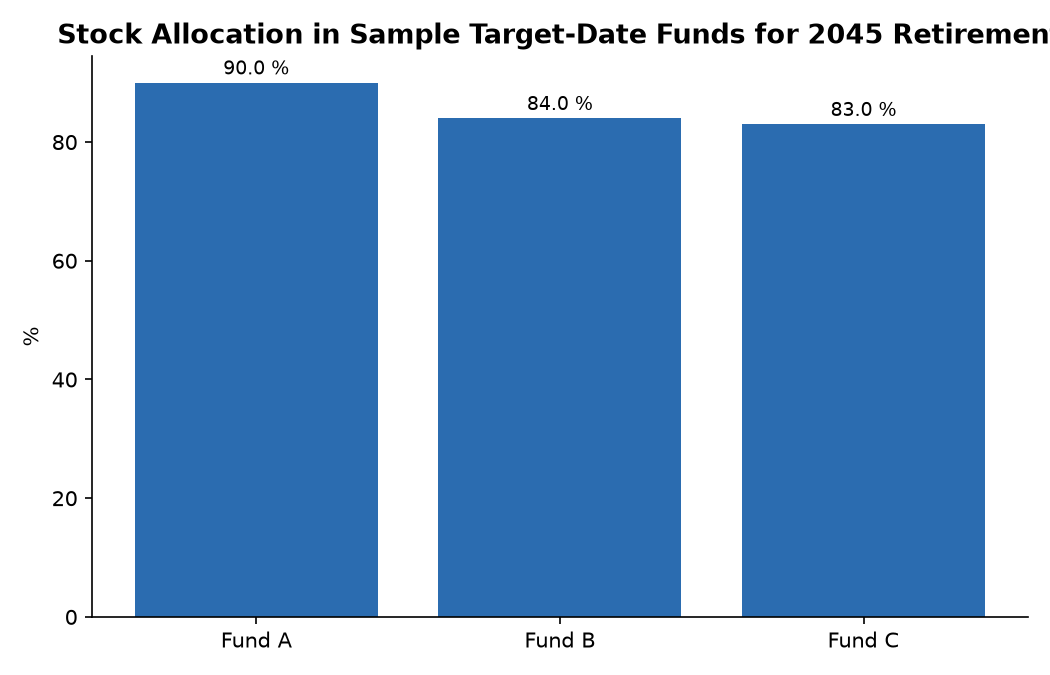
With roughly twenty years until retirement, a dominant equity stance is still sensible. A 90/10 stock‑to‑bond split—common in many target‑date funds aimed at a 2045 retirement—illustrates how aggressive the allocation can remain. However, infusing even 10–15% of fixed‑income instruments can dampen short‑term swings without eroding long‑term upside.
2. Shift Toward Dividend‑Paying and Value Stocks
As you mature, the focus can tilt slightly toward companies with a proven history of raising dividends. These firms often demonstrate stable cash flows, offering a cushion when markets dip. Pairing them with a mix of value and large‑cap growth stocks provides both momentum and resilience.
3. Expand Your Geographic and Asset Horizons
Relying solely on domestic large caps limits exposure to the full spectrum of global growth. Allocating a modest 10–15% to international equities, commodities, or real‑estate funds ہمیں can diversify risk, as these assets historically move independently of U.S. equities.
4. Maximize Tax‑Advantaged Contributions
At 45 you’re likely near peak earnings, making it an optimal time to push retirement accounts to their limits. A stepwise approach works best:
- Contribute enough to capture the full employer match—free money.
- Top up a health‑saving account if eligible; its triple tax benefit is hard to beat.
- Fill out an IRA (traditional or Roth) to broaden investment choices.
- Contribute the maximum to your 401(k) or equivalent plan.
- Finally, channel any remaining surplus into a taxable brokerage account.
5. Match Investments to Account Types for Tax Efficiency
High‑turnover mutual funds generate taxable capital gains. Storing them in a retirement account defers taxes until withdrawal, usually at a lower bracket. Conversely, index ETFs are highly tax‑efficient and better suited to taxable accounts. Municipal bonds, exempt from federal tax, shine in taxable accounts butOhio are wasted in tax‑advantaged plans.
By aligning your asset choices with the tax treatment of each account, you can keep more of your earnings working for you.
In summary, a 45‑year‑old investor should maintain a growth focus, introduce bonds and dividend stocks, diversify beyond domestic markets, fully exploit tax‑advantaged accounts, and strategically place investments according to account tax rules. These steps position you to weather market turbulence while still chasing the returns that retirement demands.