

Pharma Stocks Finally Break Out of Their Slump
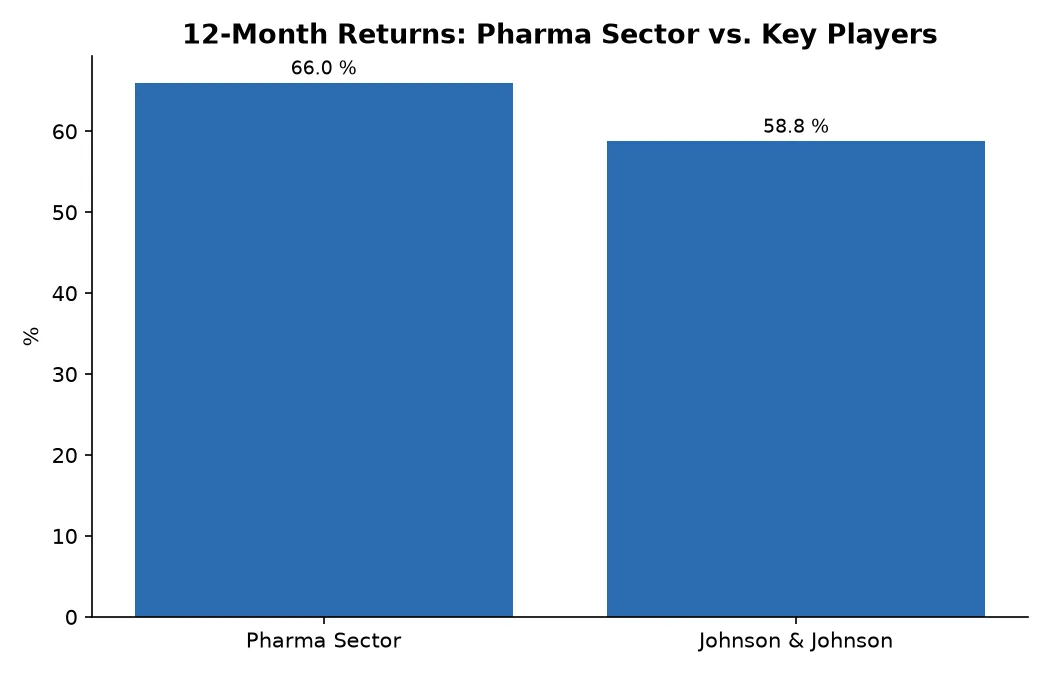
For nearly a decade, the pharma sector was the forgotten corner of the market. While the S&P 500 delivered returns well above 200% over nine years, the pharma index barely managed mid-single-digit gains. That has changed dramatically. In the past twelve months alone, pharmaceutical stocks climbed more than 66%, leaving many investors wondering whether this is a temporary spike or the start of a sustained uptrend.
Two Companies Are Powering the Rally
The surge isn’t a broad-based healthcare recovery — it’s being driven by two standout performers.
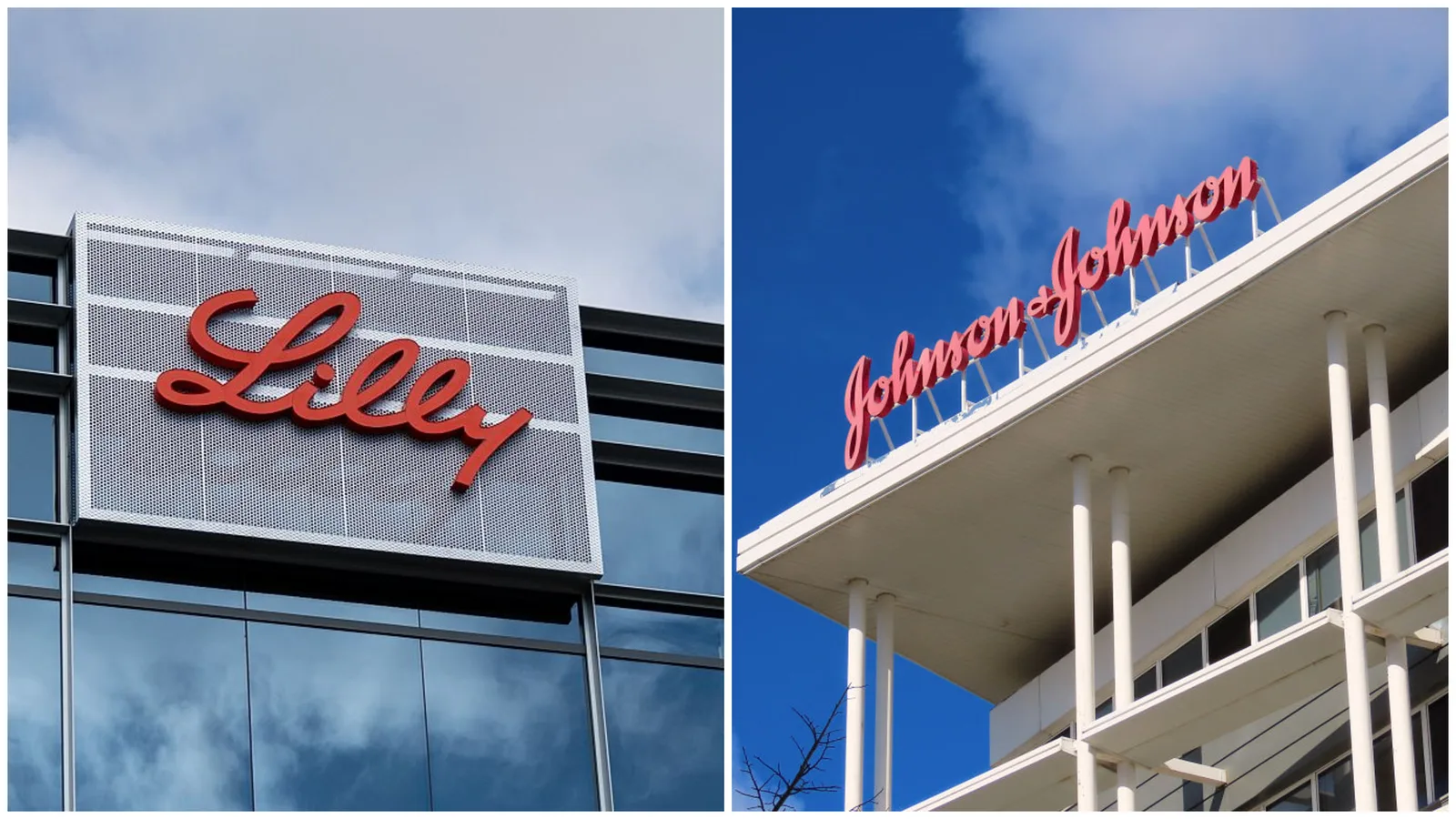
Johnson & Johnson: Back in Form
J&J has returned nearly 59% over the past year, fueled by its oncology pipeline. Seven new therapies have been approved recently, including Darzalex for multiple myeloma, and 23 more are in late-stage trials. The 2023 spin-off of its consumer-products division, which lagged behind its prescription-drug business, has sharpened the company’s focus on higher-margin treatments.
Eli Lilly: The GLP-1 Revolution
Lilly has more than tripled since the start of 2023, reaching a market capitalization of $1.1 trillion and becoming the ninth-largest U.S. stock. Its GLP-1 weight-loss drugs, Mounjaro and Zepbound, generated a combined $36 billion in revenue and became best-sellers across all medicines. An oral GLP-1 treatment, Foundayo, launched in April, expanding the reach of this drug class beyond weight management into diabetes, heart disease, and potentially sleep apnea and substance-abuse disorders.
Valuation and Outlook
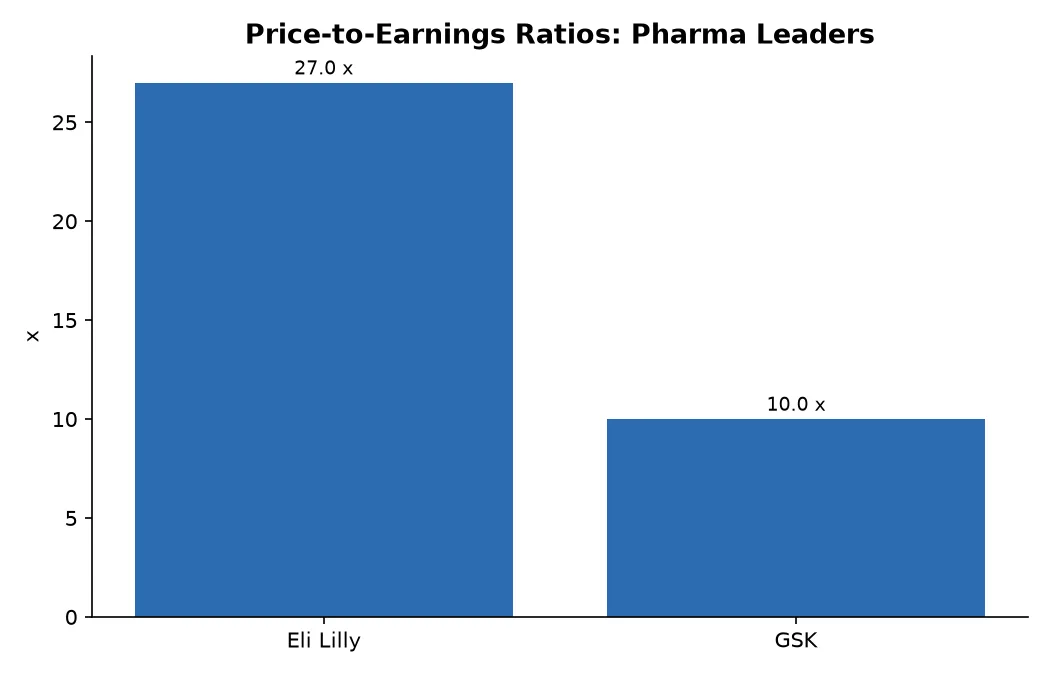
Lilly trades at a P/E of 27 based on consensus earnings for 2027, with analysts forecasting an average annual earnings growth of 26.5% over the next five years. That’s not cheap, but the growth trajectory justifies the premium for many investors. Meanwhile, British pharma giant GSK looks like a value play at a P/E of just 10 with a 3.5% dividend yield, backed by blockbusters like the shingles vaccine Shingrix and the COPD inhaler Trelegy Ellipta.
M&A Wave Reshapes the Industry
Drug companies have struck 33 acquisition deals through June 2026, spending $134 billion on smaller biotech firms. AbbVie’s purchase of Apogee Therapeutics — at a 50% stock premium — exemplifies the trend: large pharma buying innovative pipelines to stay ahead. For the average investor, picking the next acquisition target is nearly impossible; the smart move is to own the larger, established players or the sector as a whole.
AI and the Future of Drug Discovery
Bringing a new drug to market costs $2.8 billion and sees a 90% failure rate in clinical trials. AI is uniquely suited to screen billions of molecular candidates before they ever reach the lab. Both Lilly and GSK are investing heavily in the technology, and the FDA approved 29 new drugs in the first half of 2026 alone — from lymphoma to schizophrenia treatments — adding to the 238 small-molecule drugs cleared over the prior five years.
The Bottom Line
Pharmaceutical stocks have earned a second look. With a robust pipeline, transformative GLP-1 drugs, political risks that haven’t yet undermined the core business model, and AI accelerating discovery, the sector’s momentum appears well-founded. For investors, a pharma-focused ETF or a managed fund offers diversified exposure without the need to pick individual winners.