


The Growing Controversy Around Surveillance Technology
As artificial intelligence-powered surveillance systems become more prevalent, companies like Flock Safety are at the center of a heated debate. Langley argued that focusing solely on privacy or safety is counterproductive, advocating instead for a national compromise that addresses both concerns. This position is being tested by real-world incidents that highlight the potential for abuse.
Allegations of Unauthorized Use
Recent investigations have uncovered dozens of cases where police officers allegedly misused Flock’s license plate recognition and camera systems for unauthorized purposes. These include instances of individuals being tracked without legitimate law enforcement justification, raising serious ethical and legal questions. The documented cases, numbering in the dozens, illustrate the risks when powerful tools are not properly regulated.
Political Reactions from Both Sides
The backlash has mobilized politicians across the political spectrum. Critics from one side have decried the mass proliferation of surveillance cameras as an invasion of privacy, calling for a halt to AI-driven monitoring. Meanwhile, lawmakers from the other side have introduced legislation to prohibit government agencies from purchasing certain automated surveillance systems, including those with facial recognition capabilities. This bipartisan concern signals a shifting landscape where tech oversight is becoming a key issue.
Company Response and Implemented Changes
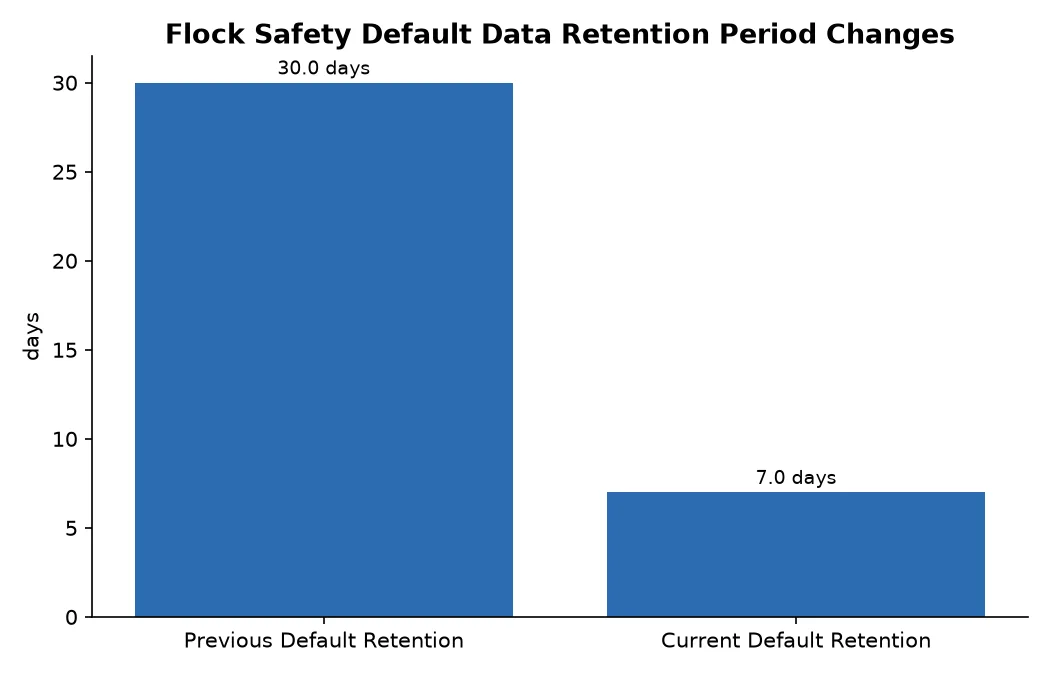
In response to the criticism, Flock has taken steps to address concerns. The company reduced its default data retention period from 30 days to 7 days and introduced a requirement for a case code before data access. However, these changes have been met with skepticism, as critics note that exceptions like « Evidence Mode » allow for extended retention under certain conditions. This has led to questions about whether the modifications are substantive or merely public relations efforts.
The Path Forward: Regulation and Accountability
Langley has called for state-level regulations to criminalize the illegal use of Flock data, emphasizing that self-regulation alone is insufficient. He maintains that while Flock did not create police abuse, the company aims to provide tools for accountability. Civil liberties groups have cautiously welcomed the changes but stress that the true test lies in how operational exceptions are managed and whether they prevent misuse.
Implications for the Future of AI and Privacy
The Flock Safety case underscores the broader challenge of integrating advanced technologies into society without compromising fundamental rights. As AI surveillance expands, finding a balance between security and privacy will require not only corporate responsibility but also robust legal frameworks. The ongoing debate may shape future policies on data governance and technological ethics.