


The Rise and Fall of a Short‑Seller
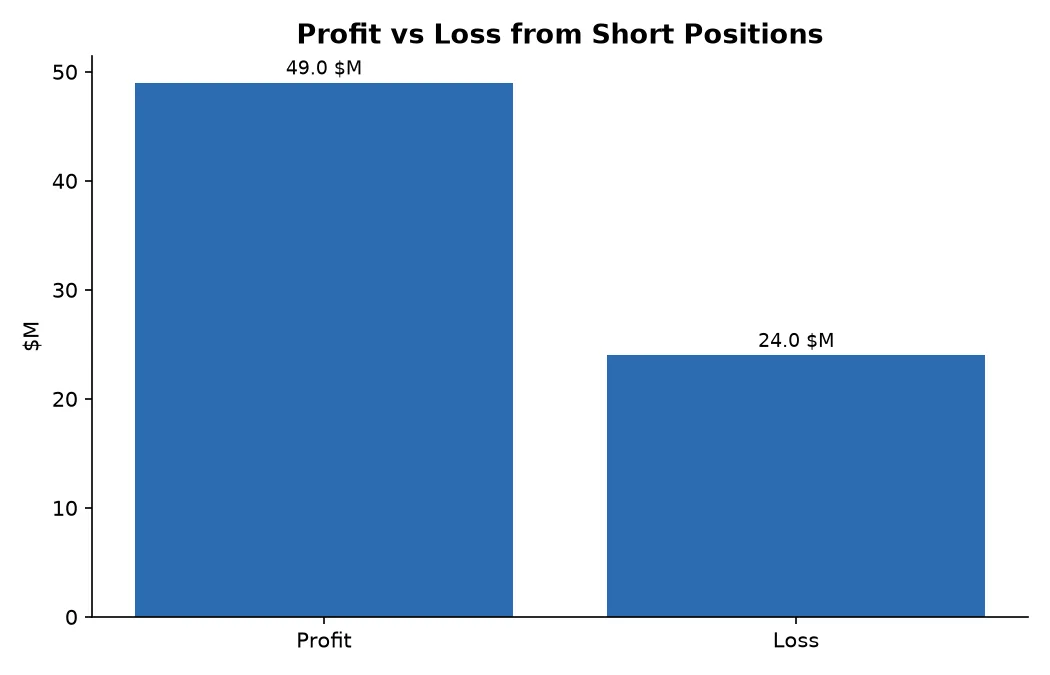
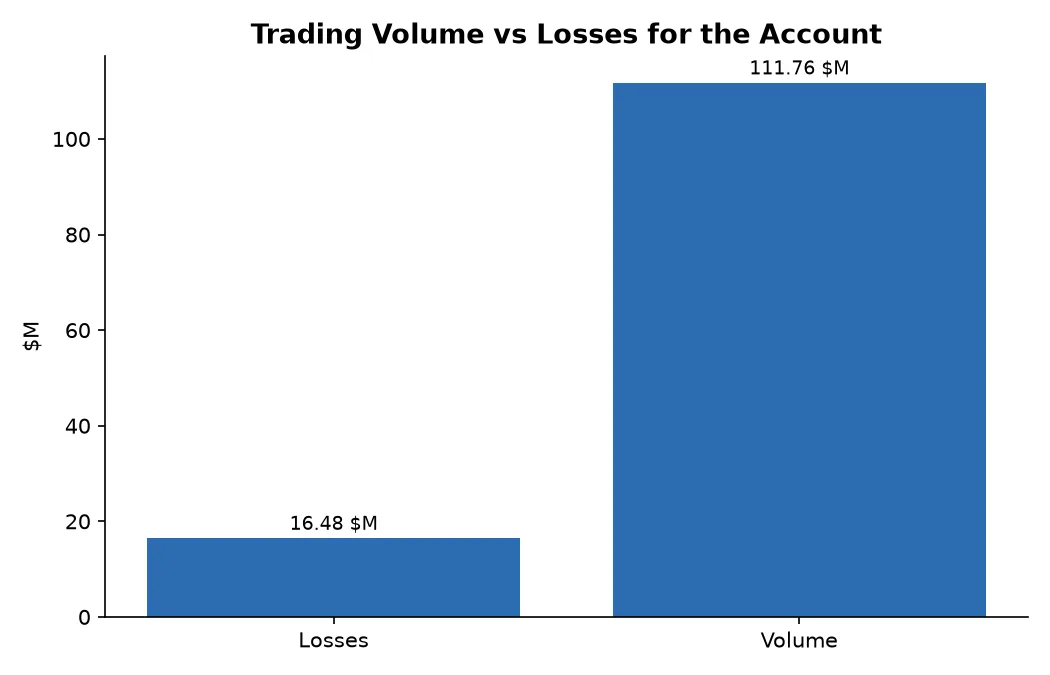
In the fast‑moving world of digital assets, a trader who had successfully bet against the market for nearly two months suddenly faced a dramatic reversal. The account, which had accumulated roughly $49 million in profits from shorting several high‑profile tokens, was forced to close out a large ether position in just 12 seconds, resulting in a loss of about $24 million.
How Forced Liquidation Works
Leverage allows traders to magnify gains, but it also magnifies losses. When a leveraged position moves against the trader, the platform’s risk engine automatically initiates a forced liquidation to protect the lender’s capital. In this case, the liquidation was executed in five batches, covering approximately 48, comunidades of ether at different price points. Each batch pushed the price slightly higher, creating a self‑reinforcing cycle that ultimately drained the account.
The 12‑Second ETH Surge
Ether’s price jumped by roughly $43 in the span of 12 seconds, from $2,193 to $2,236. The trader’s own forced buying contributed to the upward pressure, while the absence of buyers for the final tranche of ether meant the platform absorbed the remaining amount. The rapid climb turned a profitable short into a catastrophic loss in a single breath of market activity.
Market Context: Bitcoin, Treasury, and the Wider Crypto Scene
The short position had been held through a period when bitcoin remained largely flat below $65,000, making a bearish stance seem attractive. However, a Treasury buyback announcement earlier that week triggered a wave of optimism that pushed bitcoin from $64,000 to almost $70,000 in 24 hours. Ether mirrored this rally, surging 18% in the same timeframe and creating a perfect storm for short sellers.
Lessons for Traders and the Industry
- Risk Management is Critical – Even seasoned traders can be blindsided by sudden market swings. Maintaining a buffer against margin calls and using stop‑loss orders can mitigate extreme losses.
- Leverage Requires Discipline – High leverage amplifies both upside and downside. A disciplined approach to position sizing is essential in volatile markets.
- Market Liquidity Matters – Forced liquidations rely on liquidity pools. When liquidity dries up, platforms may absorb nouveautés, leading to larger price swings.
- Regulatory Oversight is Evolving – The scale of this liquidation wave—over $2.7 billion in forced shorts across the market—has prompted calls for clearer rules around margin and leverage in digital asset trading.
The Aftermath and Future Outlook
Following the liquidation, the account was left with a mere $35.61 in its wallet and a 100 % decline over 30 days. While this event was not the largest single loss on the day, it was part of a historic wave of short positions being closed, highlighting systemic vulnerabilities in the current trading infrastructure.
As the crypto ecosystem matures, participants are increasingly calling for more robust risk‑management frameworks, better transparency around leverage limits, and tighter integration with traditional financial safeguards. The hope is that future markets will be better equipped to handle the kind of rapid, leveraged movements that can abruptly erase fortunes in seconds.