

The Challenge of Physical AI Integration
The primary hurdle for most enterprises today isn’t the creation of AI models, but their actual deployment. Integrating complex algorithms into existing workflows often reveals a significant gap between a theoretical software solution and its practical application on the ground. For companies operating in the heavy machinery sector, this is a challenge they have been tackling for years.
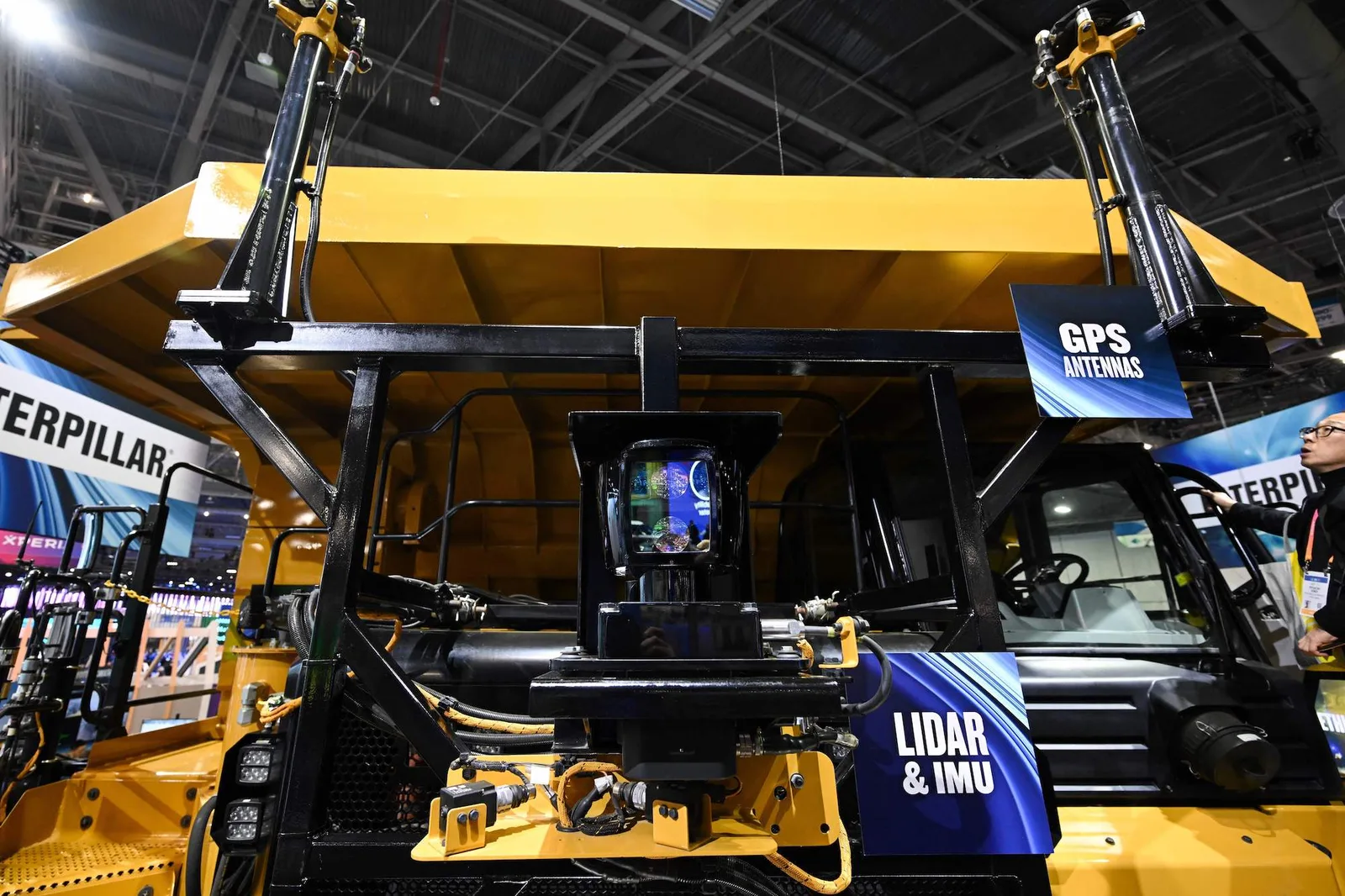
The transition began in the mining sector, where extreme environments and labor shortages made automation a necessity rather than a luxury. From autonomous haul trucks to remote-controlled drilling and underground loaders, the move toward autonomy has already proven successful in controlled, high-stakes settings. Now, this expertise is being exported to more unpredictable environments like construction sites and quarries.
Bridging the Gap with Proprietary Data
A key advantage in the race to deploy AI is the possession of high-quality, specialized data. By leveraging a network of approximately 1.6 million connected assets globally, industrial leaders can feed their AI systems with petabytes of structured data that generic models simply cannot access.
This data-driven approach is manifesting in practical tools, such as AI-powered assistants for field technicians. These tools allow workers to use voice commands to access repair procedures and troubleshoot machinery in real-time, reducing downtime and increasing efficiency. Beyond the field, AI is being utilized to create digital twins in manufacturing, allowing companies to simulate and optimize operations before a single piece of equipment is moved.
The Human Element: Training and Transition
One of the most critical insights from the shift toward autonomy is that technology alone is not a solution. The true challenge lies in transforming how people work. Deploying an autonomous machine requires a complete rethink of jobsite workflows and the roles of the people managing them.
As machines gain autonomy, the role of the operator is evolving. Instead of controlling a single vehicle, workers are transitioning into supervisors who oversee entire fleets from remote command centers. To manage this cultural and technical shift, massive investments in human capital are required. For instance, some industrial leaders are committing hundreds of millions of dollars over the coming years to retrain their workforce in robotics and AI.
The Infrastructure Boom
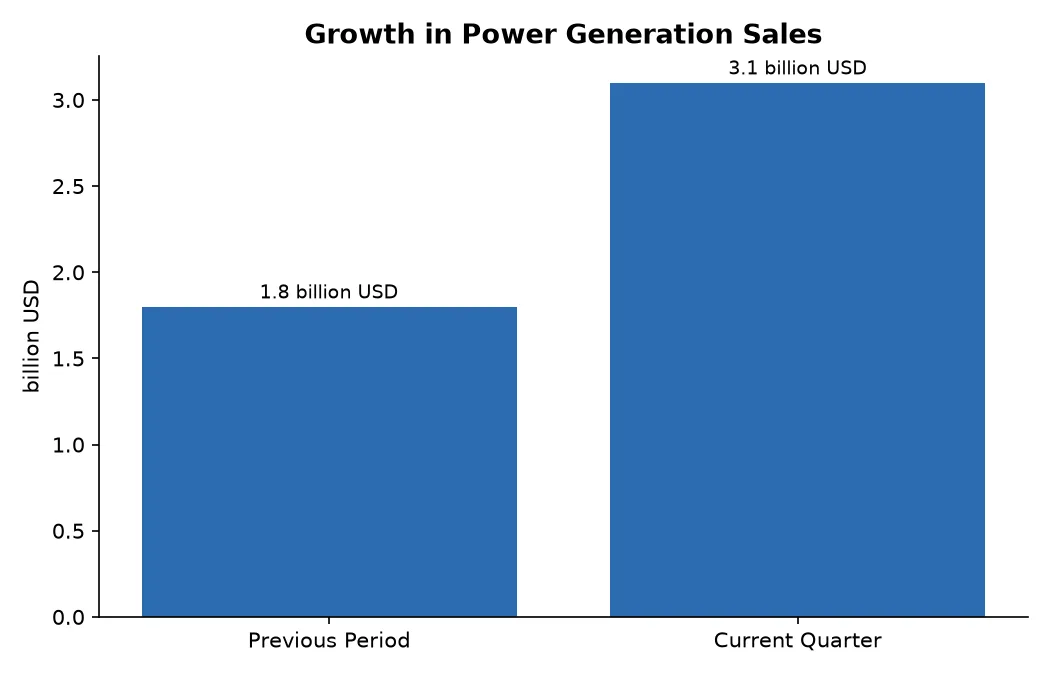
The surge in AI adoption is not just changing how machines operate; it is fueling a massive demand for the physical infrastructure that powers the cloud. The need for stable power generation for data centers has led to record-breaking revenues for companies providing the energy equipment necessary to sustain generative AI workloads. This creates a virtuous cycle where the growth of AI infrastructure provides the capital needed to further automate the physical world.