

The Psychological Shift: Accumulation vs. Distribution
For most of your working life, your financial goal is simple: accumulation. You focus on growth, long-term market trends, and maximizing contributions. However, the moment you retire, the game changes. You enter the distribution phase, where the objective shifts from growing wealth to generating a sustainable income stream.
This transition often requires a different type of financial guidance. While some advisors excel at helping clients build wealth, others specialize in the complexities of spending it. Distribution specialists focus on tax efficiency, withdrawal strategies, and risk mitigation to prevent costly mistakes that could jeopardize your financial security.
Defining Your Retirement Lifestyle
Before calculating withdrawal rates, you must define what your retirement actually looks like. There is a vast difference between a « homebody » lifestyle—focused on reading, family, and low-cost hobbies—and an active lifestyle involving international travel or luxury purchases. Your desired lifestyle dictates your monthly income needs, which is the heartbeat of any retirement plan.
To build a resilient plan, it is often wise to budget for a worst-case scenario, ensuring your income sources—such as Social Security, pensions, dividends, and rental income—can cover more than your basic expected expenses.
Strategic Decisions: Social Security and Taxes
Two of the most critical levers in the distribution phase are the timing of Social Security benefits and tax management.
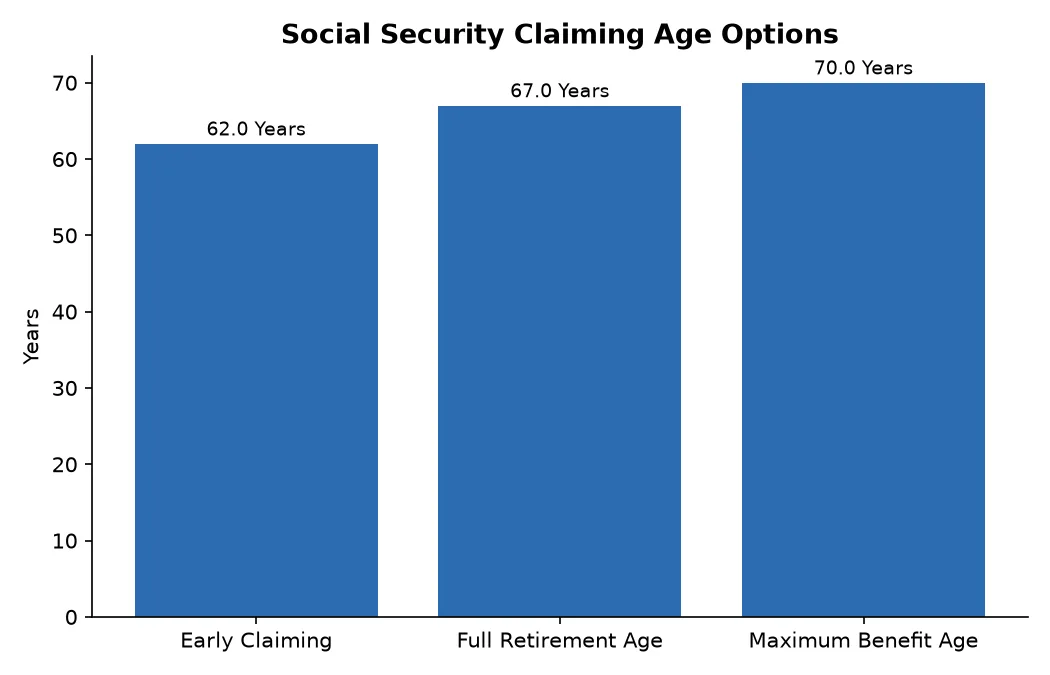
- Social Security Timing: Claiming benefits at 62 results in a permanent reduction in monthly payments. Waiting until full retirement age (typically 67) provides a higher benefit, and delaying further until 70 maximizes the monthly payout. The right choice depends on your health, life expectancy, and the need to provide survivor benefits for a spouse.
- Tax Optimization: Taxes can eat away at your retirement income if not managed. Strategies like Roth conversions—moving funds from traditional IRAs or 401(k)s into tax-free Roth accounts—can be powerful. However, these must be timed carefully to avoid jumping into a higher tax bracket or triggering increased Medicare premiums.
Understanding Sequence of Returns Risk
One of the most dangerous threats to a new retiree is sequence of returns risk. During the accumulation phase, the order of market returns doesn’t matter much; a bad year followed by a great year averages out. In retirement, however, the timing is everything.
If the market crashes in the first few years of your retirement while you are simultaneously withdrawing funds, you are draining your portfolio at a time when assets are undervalued. This can deplete your accounts so severely that you cannot recover even when the market bounces back. Reducing portfolio volatility as you approach retirement is a key strategy to mitigate this risk.
Overcoming the Fear of Spending
Perhaps the hardest part of retirement is the mental hurdle of spending. After a lifetime of frugality, many retirees struggle to « turn off » the saving mindset. The fear of outliving their money can lead them to live far below their means, missing out on the very experiences they saved for.
With a structured income plan and professional validation, retirees can find the confidence to enjoy their wealth. After all, the distribution phase should be the reward for decades of discipline.