

The Energy Outlook: Why Fuel Prices Remain Volatile
As geopolitical tensions escalate in the Persian Gulf, the global energy market faces a period of prolonged uncertainty. Even if immediate hostilities subside, the economic fallout from disrupted maritime routes is likely to linger. A critical factor in this volatility is the current state of global petroleum reserves; because stockpiles are already depleted, any sudden surge in demand or decrease in supply will have a magnified impact on retail prices.
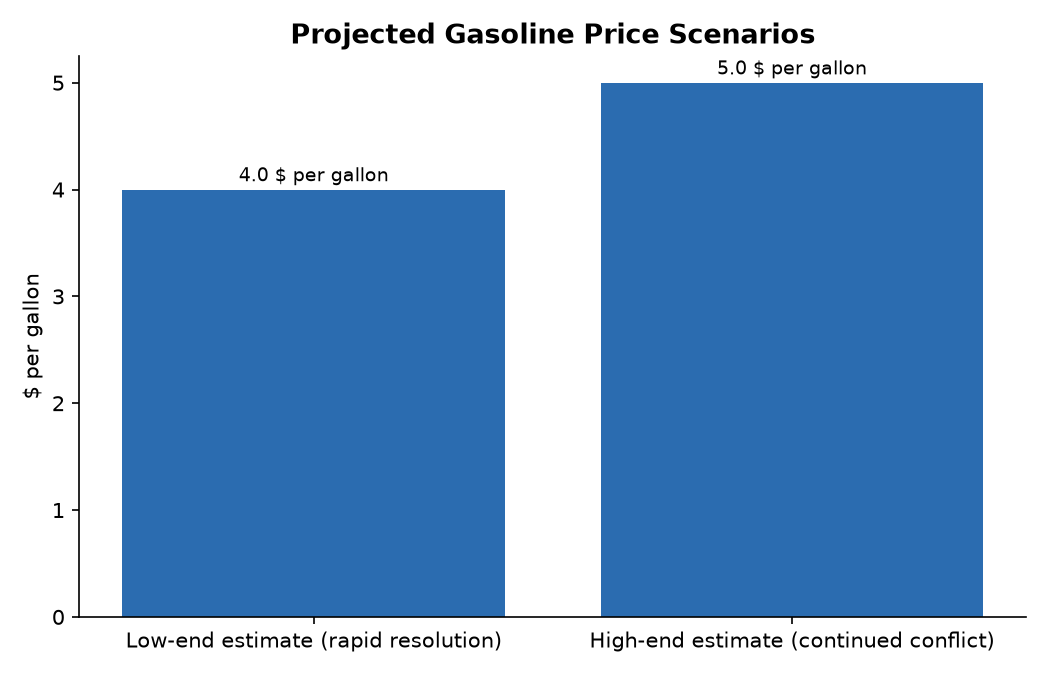
Fuel costs are expected to fluctuate significantly depending on the duration of the current conflict. If tensions persist through the coming months, gasoline prices could climb toward the $5 per gallon mark. Conversely, a swift resolution might see prices settle near $4. Even in a scenario where exports resume, consumers should prepare for prices averaging above $3.50 per gallon well into the autumn, representing a sustained burden for households.
The Diesel Dilemma
Diesel fuel faces an even more precarious outlook than gasoline. Beyond the Middle Eastern disruptions, supply constraints are being exacerbated by damage to refining infrastructure in Eastern Europe. As major refining hubs face ongoing operational challenges due to targeted strikes, the global diesel supply remains tight, ensuring that prices stay elevated regardless of developments in the Persian Gulf.
Broader Commodity Disruptions
The impact of regional conflict extends far beyond oil and diesel. Various industrial commodities are facing supply chain bottlenecks that are difficult to resolve quickly. Unlike liquid fuels, which can occasionally be rerouted through different infrastructure, many essential raw materials rely on specific shipping routes that are currently under threat. Because damaged production facilities require significant time to repair, these supply-side shocks are likely to be structural rather than temporary.
The Federal Reserve’s Growing Dilemma
These escalating cost pressures present a complex challenge for central bank policymakers. Traditionally, the Federal Reserve has viewed energy-driven inflation as a transitory phenomenon, often choosing to avoid interest rate hikes to address supply-side issues that monetary policy cannot directly influence.
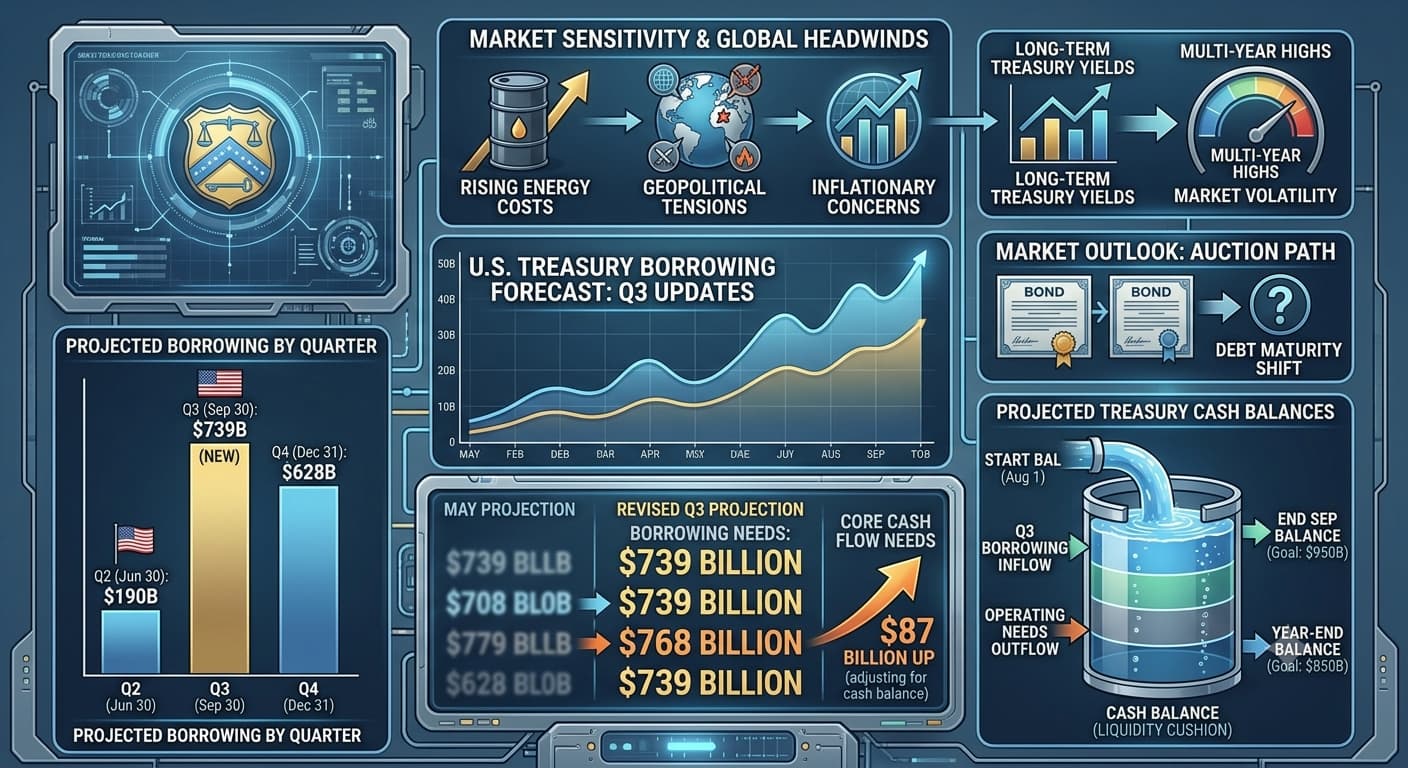
However, the current economic landscape suggests a different reality. Inflationary pressures are becoming more deeply embedded in both consumer and business expectations. When high prices become a psychological baseline, they create a self-reinforcing cycle that is difficult to break. If the central bank fails to act, bond markets may react by driving up long-term yields, reflecting fears that inflation is becoming unanchored. This leaves policymakers with a difficult choice: maintain current rates and risk a self-sustaining inflationary spiral, or intervene to stabilize expectations at the cost of economic growth.