

A New Era of Interactive Learning
The landscape of digital education is shifting as major tech players move beyond simple information retrieval toward active, interactive assistance. Recent updates to Google’s ecosystem signal a massive push to integrate generative AI into the daily academic routines of students, moving far beyond basic text responses.
By leveraging its most advanced models, the tech giant is introducing a suite of tools designed to simplify complex scientific and mathematical concepts. Instead of reading a static description, learners can now interact with AI-generated visuals and 3D simulations, such as rotating a DNA strand to better understand its structure.
Smart Search: From Queries to Quizzes
Google Search is evolving from a search engine into a personalized tutor. New functionalities allow users to transform their queries into practical study aids through several key features:
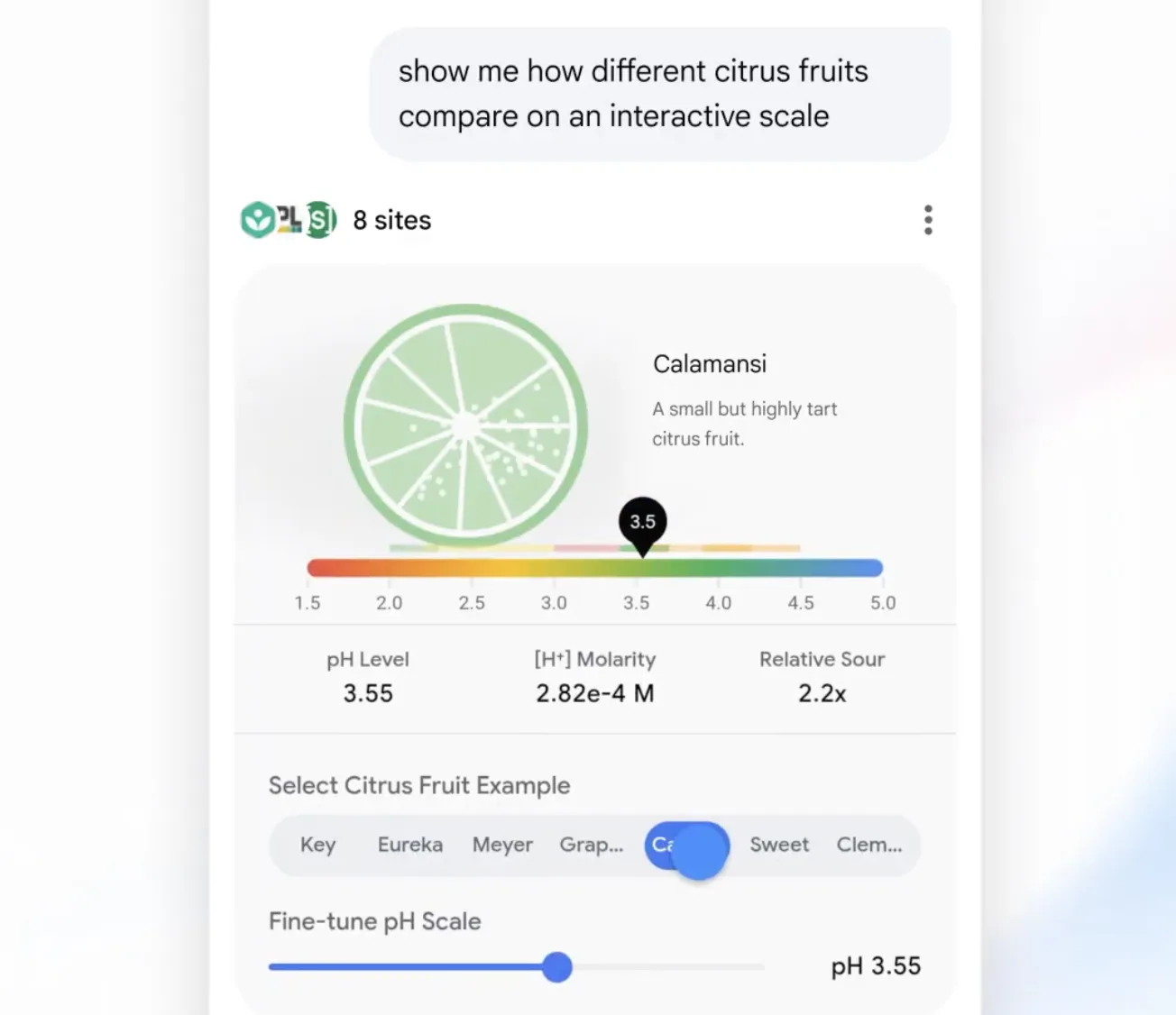
- Interactive Simulations: Users can generate custom visual tools for complex topics, such as exploring chemical pH scales through interactive graphics.
- On-Demand Quizzes: Students can now request customized practice tests for specific exams, such as the SAT, covering subjects ranging from humanities to foreign languages.
- Visual Problem Solving: Through integrated camera tools, users can photograph complex problems to receive step-by-step explanations and guidance on where they might have made mistakes.
- Document Summarization: The ability to upload various file types—including handwritten notes, PDFs, and slides—allows the AI to generate concise study guides and one-page summaries.
Gemini: The Conversational Research Partner
While Search handles quick inquiries, the Gemini app is being positioned as a deep-research companion. One of the most significant advancements is the ability to launch multi-step research reports. Users can initiate a complex investigation and continue with other tasks while the AI works in the background.
Once the research is complete, the interaction becomes conversational. Through voice-enabled features, students can discuss findings, ask follow-up questions, and dive deeper into specific data points without starting from scratch. To centralize these capabilities, a dedicated hub within the Gemini app will host study notebooks, digital flashcards, and practice modules, creating a unified environment for academic success.
This move places Google in direct competition with specialized AI education startups and other major language models, as the race to become the primary digital mentor for the next generation of learners intensifies.