


The Power of Automation and Early Investing
One of the most effective strategies used by successful investors is the concept of ‘paying yourself first.’ Rather than saving what is left after spending, the wealthy set aside a portion of their income immediately via automatic transfers. This discipline ensures consistent growth, especially when leveraging compound interest. Starting early is crucial; for example, a modest investment made in your 20s can grow significantly by your 60s thanks to the mathematical advantage of time.
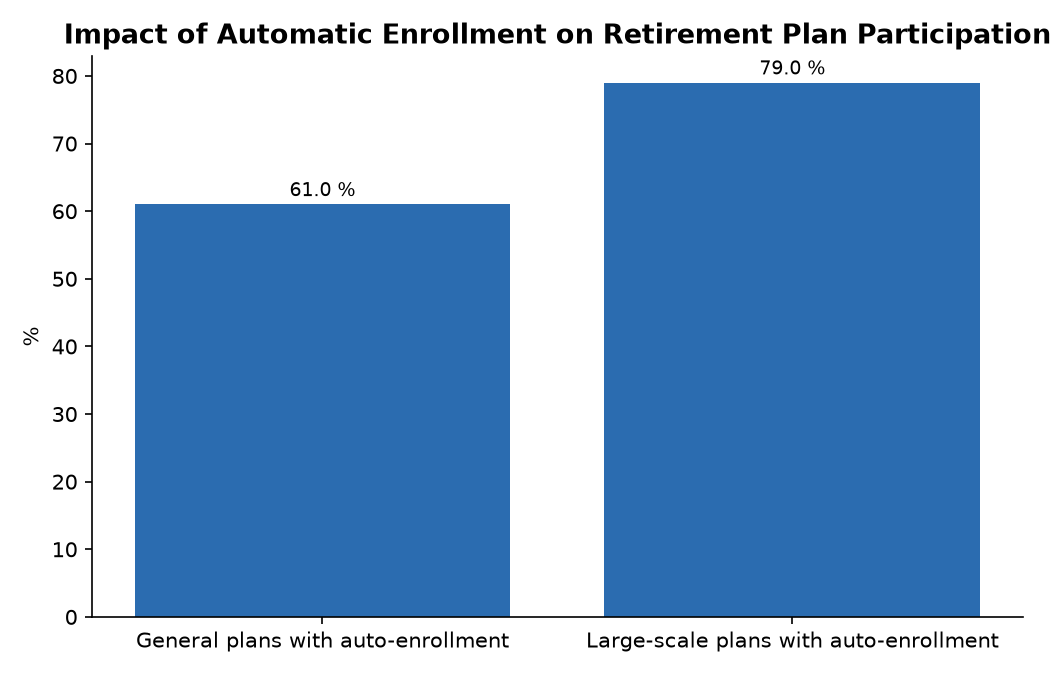
Recent data suggests that automation is a key driver of success. In large-scale retirement plans, automatic enrollment rates have reached historic highs, and those who utilize these automated systems tend to accumulate significantly higher balances than those who do not.
Strategic Asset Management vs. Idle Cash
Wealthy individuals understand that inflation is a silent predator. Leaving large sums of cash in traditional, low-interest accounts causes purchasing power to erode over time. Instead, they focus on keeping their capital productive through high-yield savings, stocks, or real estate. While high-yield accounts offer a safe way to earn interest, the truly wealthy prioritize assets that generate income.
Key habits include:
- Avoiding Lifestyle Creep: Maintaining a gap between income and spending to maximize savings.
- Eliminating High-Interest Debt: Prioritizing the repayment of credit cards to avoid interest cycles that drain wealth.
- Diversification: Spreading investments across various sectors to mitigate risk and reduce volatility.
The Role of Passive Income and Professional Guidance
A hallmark of financial freedom is the transition from working for money to having money work for you. Many high-net-worth individuals rely on multiple income streams, such as dividends, rental properties, and capital gains. This multi-layered approach ensures that their lifestyle remains stable even if one revenue source fluctuates.
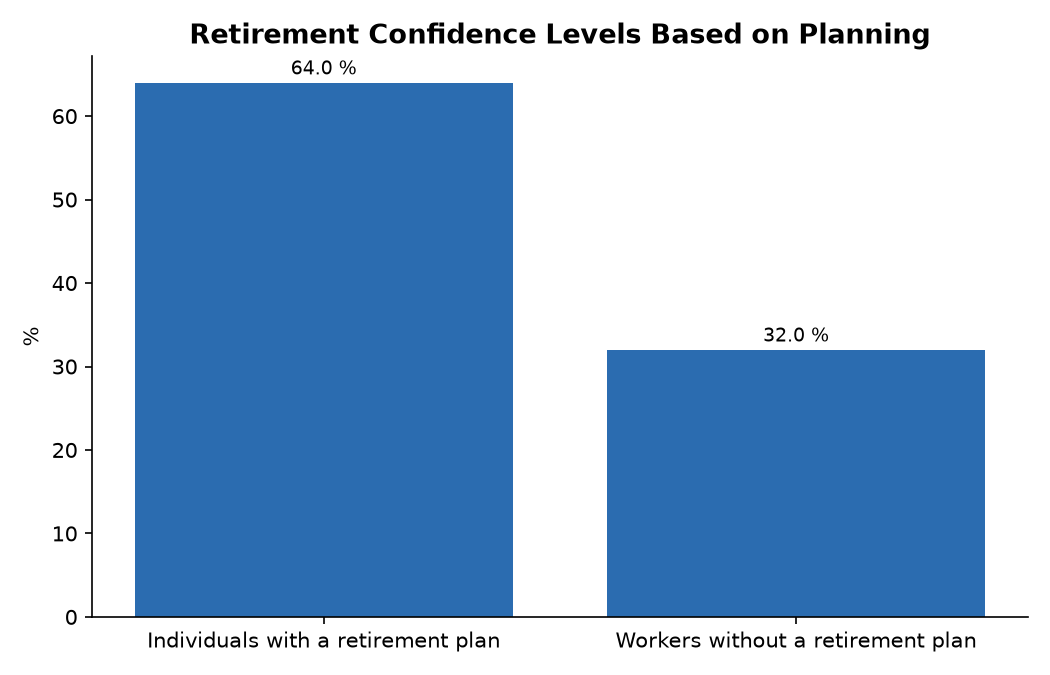
Furthermore, planning is a significant differentiator in retirement confidence. Individuals who maintain a formal roadmap for their finances—including contingency plans for medical or long-term care—report much higher levels of comfort regarding their future. Seeking professional financial advice can also provide a substantial boost, as those who consult experts often see higher average savings due to optimized strategies and fewer costly mistakes.
Simplification and Value-Based Spending
Retirement success isn’t just about accumulation; it is also about management. Wealthy retirees often simplify their portfolios, selling off underperforming or unnecessary assets to reduce stress and increase clarity. They also tend to align their spending with their core values—whether that is travel, family, or philanthropy—ensuring that every dollar spent contributes to a meaningful life rather than just mindless consumption.