

The Problem: Fun Versus Functionality
Early AI engines for game design could assemble levels, characters, and mechanics automatically, yet the outputs often felt flat or uninteresting. Developers were left with a simple technical hurdle: how to tell if a generated game would actually delight players. The answer, discovered by a handful of university friends, was obvious—human judgment.
Building Design Arena
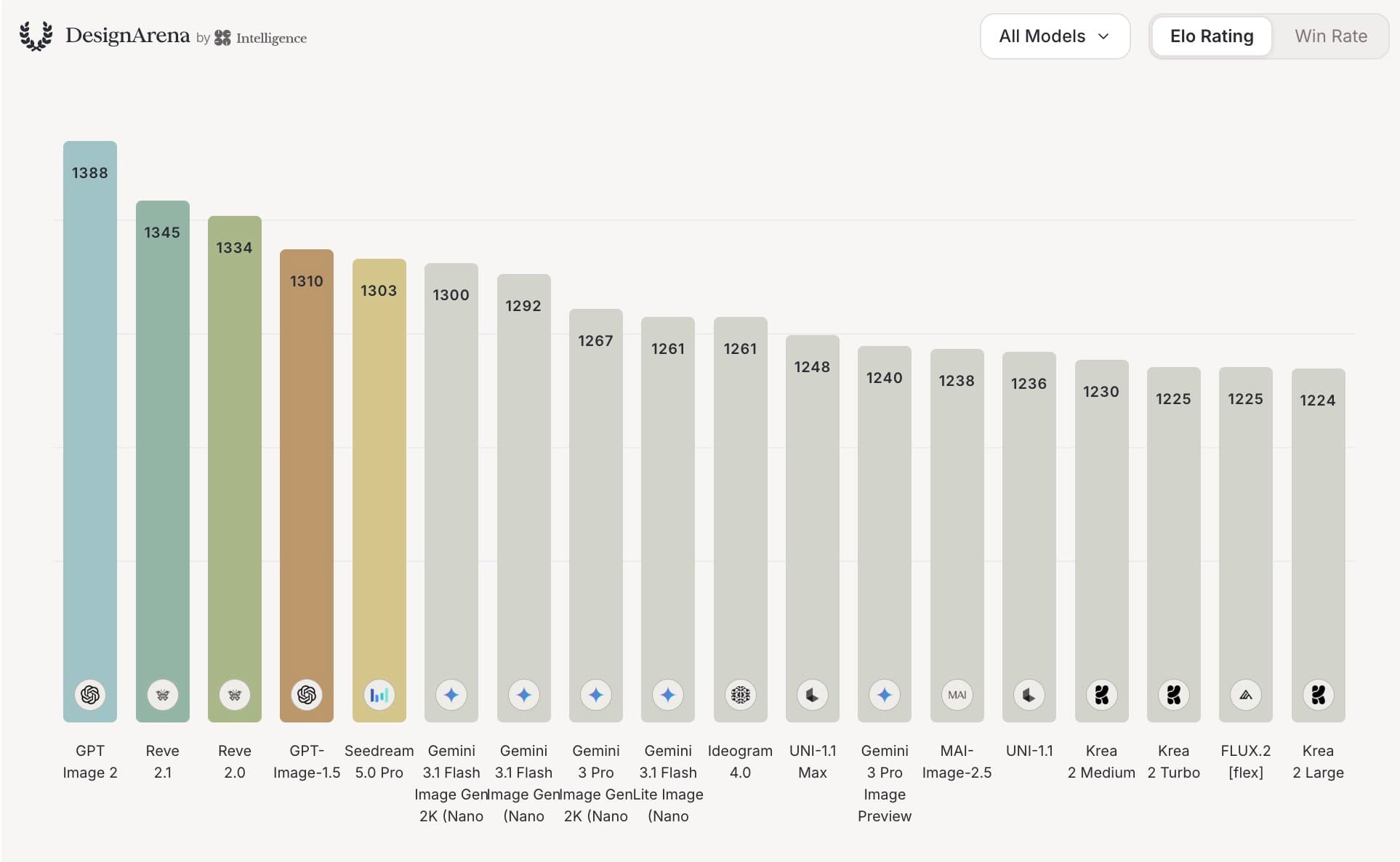
To solve this, the team launched a service that turns the AI’s output into a series of side‑by‑side comparisons. Users can prompt, choose formats, and then rank the results from best to worst. The platform aggregates these rankings into actionable data, giving AI models a direct, scalable channel to learn what people truly enjoy.
Funding the Vision
Just weeks after the company tetra‑dropped, it closed a $7.9 million seed round led by a prominent venture group, with participation from several other investors. The capital will accelerate product development, expand global reach, and deepen the data set that fuels AI improvements.
How Design Arena Works
For casual users, the interface resembles a sophisticated prompt box with dropdowns for text, images, and other media types. Once a request is submitted, the system presents a series of “A vs. B” choices, allowing users to rank the outputs. For enterprise partners, the platform serves as an instant feedback loop: models can receive real‑time, human‑derived rankings that guide iterative training.
Enterprise Value and Market Size
Frontier labs and other AI developers rely on Design Arena to fine‑tune media‑generating models. The service is already generating $60 million in annual recurring revenue, underscoring its importance as a human‑evaluation engine in the AI ecosystem. By tracking user preferences across regions, the platform offers insights into cultural taste variations—information that automated benchmarks can miss.
Competition and Market Challenges
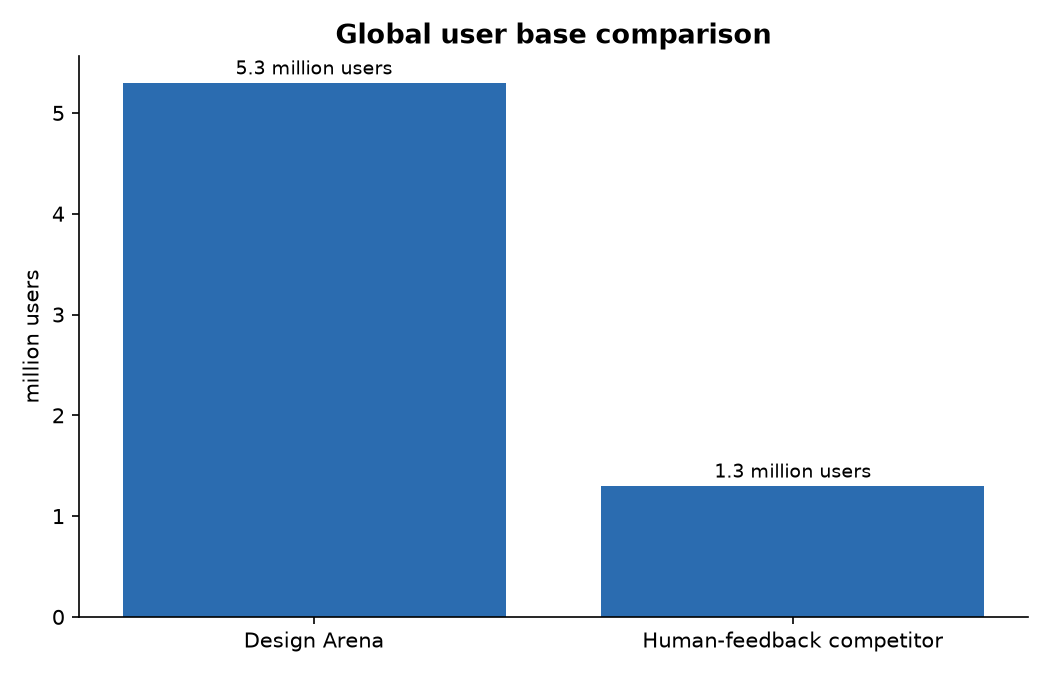
Human‑feedback startups are emerging, but not all succeed. A competitor that launched less than a year ago shuttered after raising $33 million, citing sustainability issues. In contrast, other peer companies have attracted significant capital: one text‑evaluation platform secured $150 million in a Series A within months of its paid product launch.
The Future of Human‑Powered AI Evaluation
As AI models grow more complex, the need for authentic, large‑scale user feedback will only intensify. Design Arena’s model—combining an easy‑to‑use interface with enterprise‑grade analytics—positions it to become a cornerstone of AI development. The recent funding obnovates confidence that human taste is not a niche addon but a core component of next‑generation AI systems.