


Growth Forecast Downgrade Triggers Market Reaction
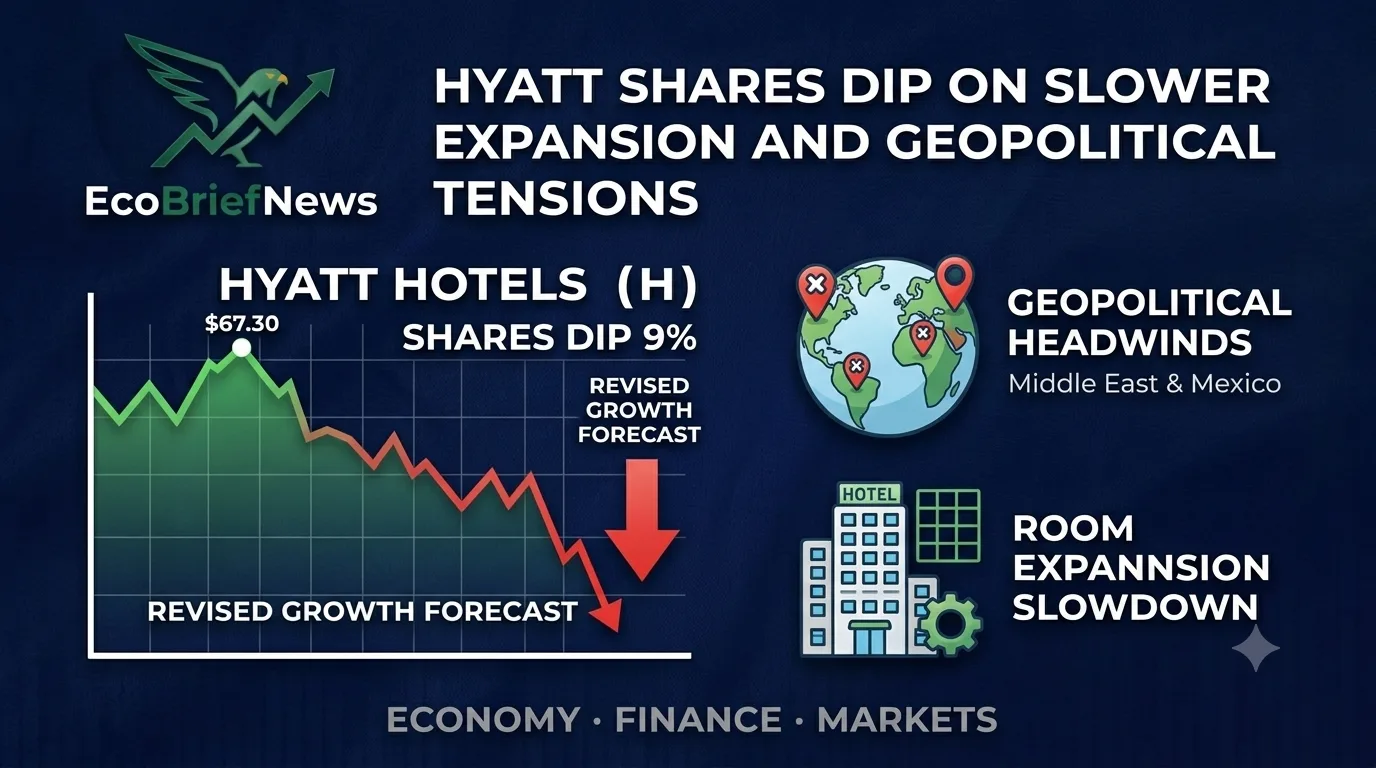
Hyatt Hotels saw its stock price tumble by 9% on Thursday, a sharp reaction driven primarily by a revised outlook for the company’s room expansion. While the hospitality sector has seen pockets of strength, Hyatt’s updated guidance for net room growth has raised eyebrows among investors.
The Chicago-based operator has adjusted its full-year net growth forecast for rooms to approximately 6%, down from its previous projection of 6% to 7%. This adjustment reflects a more conservative approach to the timing of new hotel openings scheduled for the remainder of the year.
Geopolitical and Regional Headwinds
Beyond domestic expansion concerns, Hyatt is navigating significant external pressures from international markets. The company highlighted how geopolitical tensions in the Middle East have directly impacted its bottom line, shaving roughly 110 basis points off room revenue growth during the second quarter.
The financial impact of these regional issues is substantial. According to CFO Joan Bottarini, the company expects Middle East revenues to remain well below previous year levels, potentially reducing full-year fees by approximately $10 million. Furthermore, instability in Mexico following recent waves of violence has also created a drag on performance, with an estimated $15 million impact on fees.
Luxury Resilience Amidst Global Uncertainty
Despite these challenges, Hyatt’s luxury and upper-upscale brands continue to demonstrate resilience. High-end travel demand remains robust, partly bolstered by major international events like the FIFA World Cup, which helps offset some of the revenue losses seen in other parts of the company’s global portfolio.
The Investor Perspective: Valuation Drivers
Market analysts suggest that the stock’s decline is a direct consequence of how Wall Street values hotel chains. While metrics like Revenue Per Available Room (RevPAR) are vital, investors are heavily weighting net unit growth as a primary indicator of long-term value. The deceleration in expected growth for 2026 appears to have contributed to the cautious sentiment among shareholders.