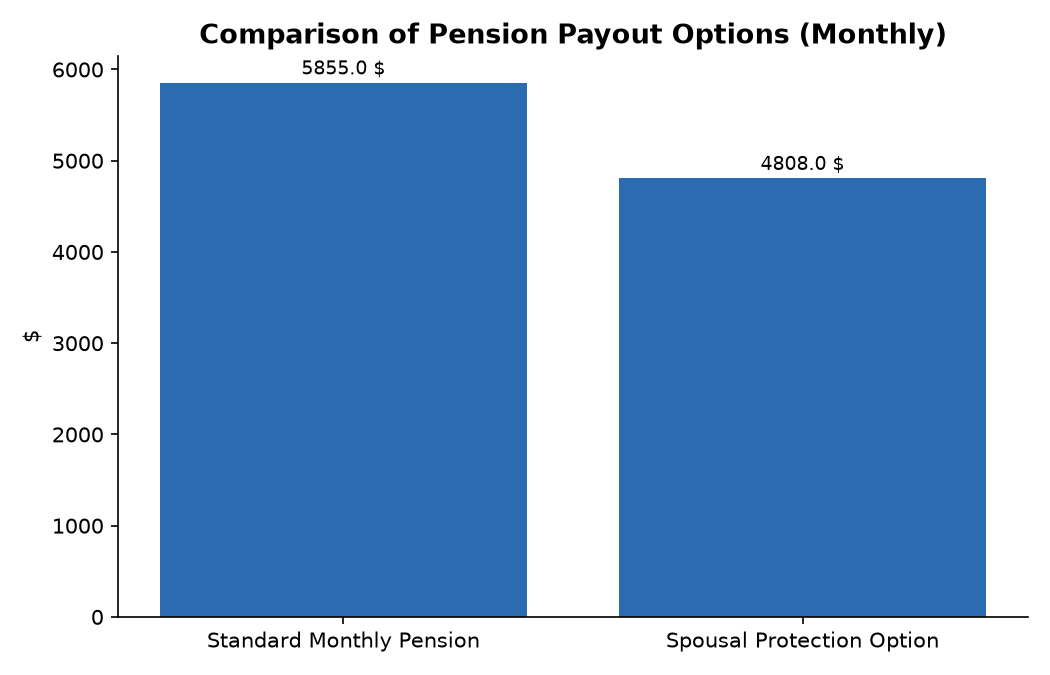



The Unexpected Pension Offer
It often arrives as a surprise in the mail: a proposal from a former employer offering you a choice. You have earned a pension that is set to provide steady monthly payments for the rest of your life, but the company is now offering a one-time lump-sum payment instead.
For the corporation, this move is often about risk management. By paying out a lump sum, they eliminate the long-term liability of monthly payments that could span decades. For you, however, the decision is deeply personal and mathematically complex.
The Case for Monthly Pension Payments
Choosing the traditional monthly route offers one primary advantage: certainty. If you anticipate a long life, a guaranteed pension acts as a hedge against longevity risk—the danger of outliving your savings.
- Guaranteed Income: You receive a predictable check every month, regardless of market volatility.
- Low Management Effort: You don’t have to worry about investment strategies or market crashes; the responsibility lies with the pension fund.
- Peace of Mind: It provides a reliable floor for your retirement lifestyle.
The Case for the Lump Sum
On the other hand, taking the cash upfront grants you autonomy. While it shifts the risk from the employer to you, it also opens doors that a fixed pension cannot.
- Investment Control: You can allocate the funds according to your specific risk tolerance and financial goals.
- Legacy Planning: Unlike a monthly pension that often ceases upon your (or a spouse’s) death, a lump sum can be invested and eventually passed down to heirs.
- Flexibility: You can use the funds to replenish retirement accounts, such as an IRA, or combine them with other assets to create a custom income stream.
A Strategic Middle Ground: The Annuity Approach
Many savers believe it is an ‘either/or’ scenario, but there is often a third way. One effective strategy involves taking the lump sum and using a portion of it to purchase a private annuity.
By doing this, you can essentially recreate the monthly income you would have received from the original pension, but with the added benefit of having remaining capital left over to invest for growth or emergencies. This allows you to secure your basic needs while still maintaining a growing pool of assets.
Making the Final Decision
There is no universal answer to this dilemma. A person with high health stability and a desire for legacy might prefer the lump sum, while someone seeking simplicity and safety might stick with the monthly payments.
Before the deadline on your offer expires, consider these steps:
- Run the Math: Calculate the total expected value of the monthly payments over your projected lifespan.
- Evaluate Your Portfolio: Determine if your current savings can handle the added risk of managing a lump sum.
- Consult a Professional: Because these decisions are often irreversible, seeking guidance from a financial advisor can help ensure your choice aligns with your long-term objectives.