


A Stabilizing Force in the Bond Market
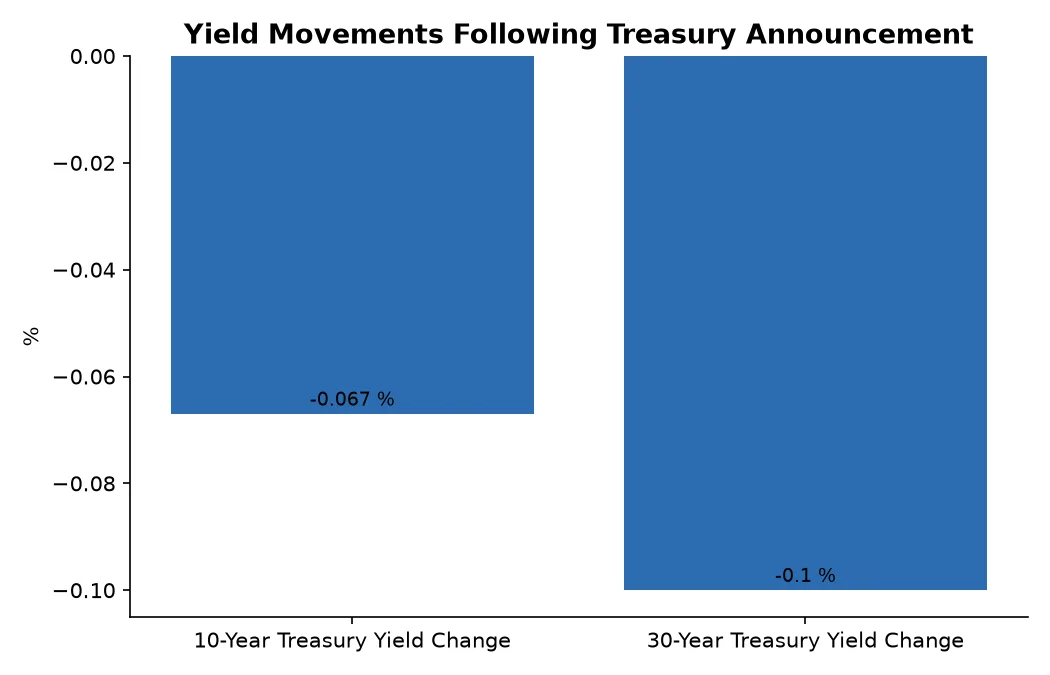
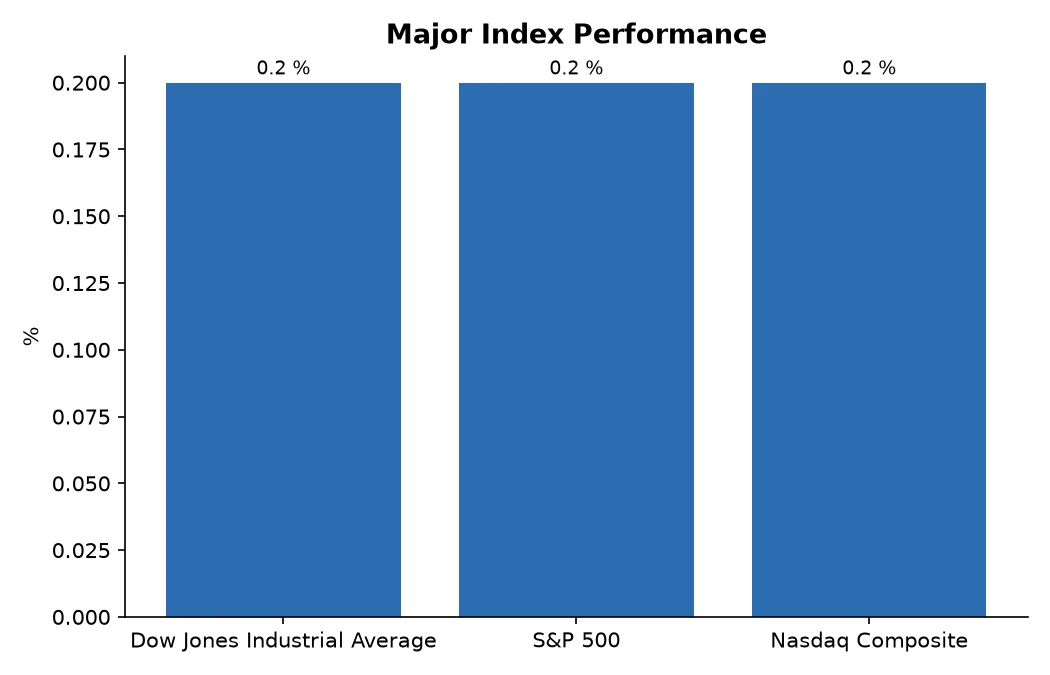
After three consecutive days of losses, the stock market found its footing on Wednesday. A primary driver for this recovery was a significant intervention by the Treasury Department aimed at stabilizing the government bond market. To provide greater liquidity, particularly in longer-dated sectors, officials announced a substantial increase in bond buybacks.
Starting in early September and lasting through early November, the scale of these buybacks will at least double, rising from $2 billion to a minimum of $4 billion. This move was designed to address the upward pressure on long-term yields caused by ongoing concerns regarding inflation, interest rates, and the expanding federal deficit. While this provides immediate relief to the markets, analysts suggest that the fundamental risks to long-term yields remain, as the underlying economic uncertainties have not yet been fully resolved.
The Biotech Surge: A New Era in Cancer Treatment
While the bond market provided the foundation, the healthcare sector provided the explosive growth needed to lead the rally. A major breakthrough in mRNA-based cancer therapy sent shockwaves through the industry. Following positive Phase 3 study results for a skin cancer treatment, several key players saw unprecedented gains.
- Merck experienced its strongest performance in over a decade, jumping over 12% following the successful clinical readout.
- Moderna saw a historic rally, with its stock price more than doubling in a single session—a feat not seen among large-cap S&P 500 companies in over a decade.
- Other vaccine manufacturers, including BioNTech and Novavax, also saw significant upward movement.
Retail Resilience and Tech Divergence
The market rally was not uniform across all sectors. In the retail space, Target delivered a strong quarterly report, beating expectations on both earnings and comparable store sales. This performance, bolstered by favorable tax-related adjustments, signaled a potential turnaround for the retailer.
In contrast, the technology sector showed a fragmented performance. While some semiconductor firms faced selling pressure, others found new growth avenues through strategic partnerships. For instance, Marvell Technology saw significant gains following the expansion of a major agreement to develop custom AI chips for a global search giant. This highlights a growing trend where specialized AI hardware demand continues to drive significant individual stock movements, even when broader tech sentiment is cautious.