

Geopolitical Uncertainty and Energy Markets
Global markets experienced significant volatility on Thursday, driven largely by escalating tensions in the Middle East. Uncertainty regarding maritime transit through the Strait of Hormuz has triggered a sharp rise in energy costs. Specifically, West Texas Intermediate (WTI) crude oil futures surged by 3.6%, reaching $77.93 per barrel.
The tension stems from reports suggesting potential restrictions on specific vessels passing through this critical waterway. Such instability not only impacts energy prices but also introduces a layer of risk that investors are currently pricing into the broader market.
Rising Yields and Macroeconomic Outlook
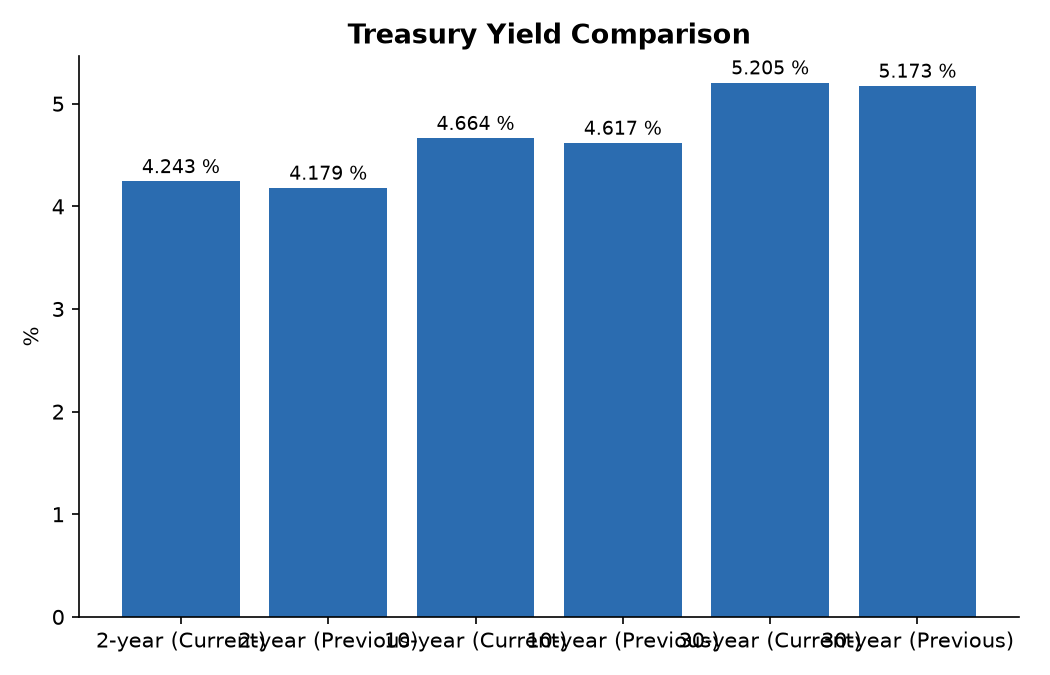
The fixed-income market also saw upward movement, with Treasury yields climbing across multiple maturities. This rise in yields often signals shifts in investor expectations regarding inflation and future monetary policy. Key movements included:
- The 2-year Treasury yield rose to 4.243%, up from 4.179% previously.
- The 10-year Treasury yield climbed to 4.664%, up from 4.617%.
- The 30-year Treasury yield increased to 5.205%, up from 5.173%.
All eyes are now turning toward the upcoming July jobs report, which is expected to provide crucial macroeconomic clarity for the Federal Reserve and investors alike.
The Burden of High Expectations: Earnings Season Realities
While the overall earnings season shows robust health—with a significant majority of S&P 500 companies exceeding analyst estimates for both revenue and profit—individual stocks are feeling the heat of high expectations. When companies meet expectations but fail to provide aggressive future guidance, the market reaction can be punitive.
The Case of Tech and Fintech Stocks
The semiconductor and storage sector saw notable movement as Sandisk faced pressure despite beating recent quarterly forecasts. The primary driver was a revenue guidance range for the upcoming fiscal period that fell short of analyst targets, alongside concerns regarding profit margin stability.
Similarly, in the fintech space, digital banking platforms like Dave are navigating the ‘law of large numbers.’ While the company continues to report impressive year-over-year growth, the rapid deceleration in growth rates—moving from triple-digit figures to more moderate levels—has led to investor skepticism regarding its long-term trajectory.
Summary of Market Performance
At the close of trading, the major indices reflected a generally cautious sentiment:
- S&P 500: Declined by 0.2% to 7,710.
- Dow Jones Industrial Average: Fell 0.9% to 53,885.
- Nasdaq Composite: Slipped 0.06% to 26,348.