


The Power of the 50s: Maximizing Savings and Health Accounts
Entering your 50s marks a pivotal shift in financial strategy. This decade offers unique opportunities to accelerate savings through ‘catch-up contributions,’ allowing you to exceed standard annual limits for retirement accounts.
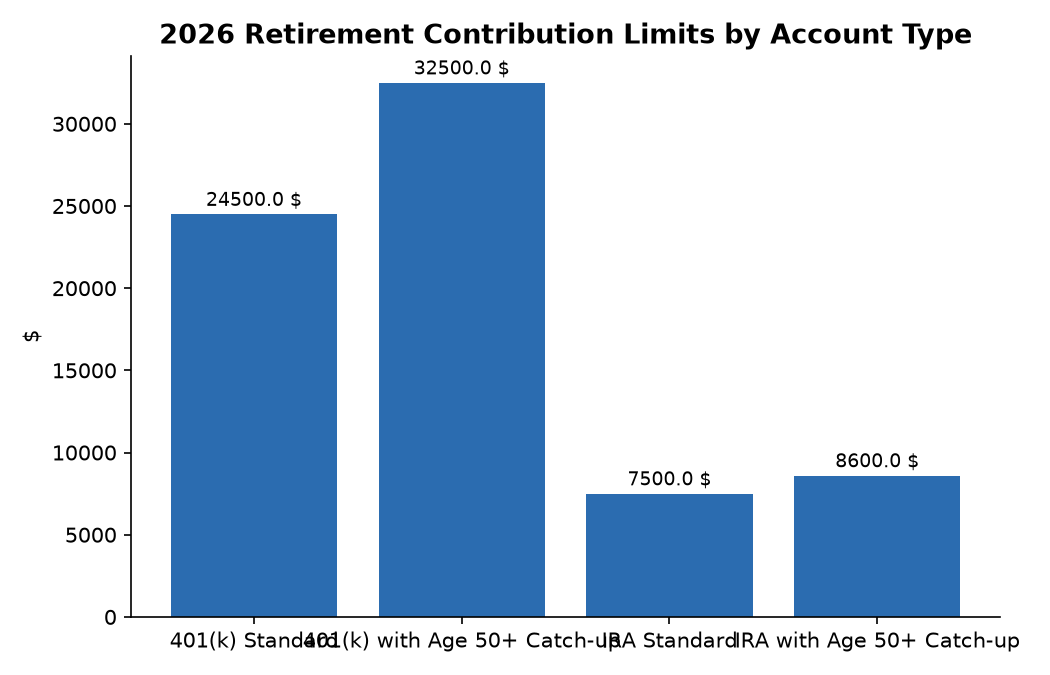
- 401(k) and 403(b) Plans: For 2026, individuals aged 50 and older can contribute a total of $32,500 annually ($24,500 standard plus an $8,000 catch-up).
- Individual Retirement Accounts (IRAs): You can contribute up to $8,600 in 2026 ($7,500 standard plus a $1,100 catch-up).
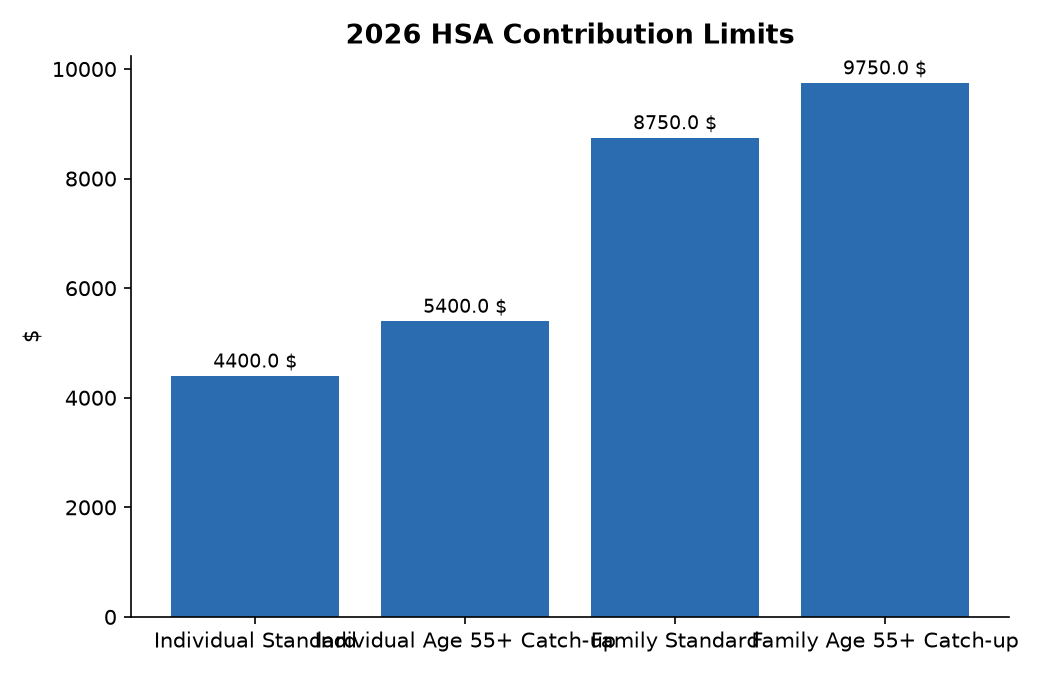
- Health Savings Accounts (HSAs): At age 55, you become eligible for an additional $1,000 catch-up contribution, making the total limit $5,400 for individuals and $9,750 for families in 2026.
HSA funds are particularly powerful for retirement because they offer a triple tax advantage: contributions are tax-deductible, growth is tax-free, and withdrawals for medical expenses are also tax-free.
Navigating the 55 to 60 Transition
As you approach your late 50s, two specific rules become highly relevant for liquidity and flexibility.
The Rule of 55
If you leave your employer during or after the year you turn 55, you may be able to access funds from your current employer-sponsored 401(k) or 403(b) without the standard 10% early withdrawal penalty. Note that this does not apply to IRAs, and you should verify your specific plan’s rules first.
The 59½ Threshold
Reaching age 59½ is a major milestone because it grants you the freedom to withdraw from IRAs and 401(k)s without penalty. While you will still owe income tax on pretax distributions, the barrier to accessing your own money is officially removed.
Social Security and Medicare: Timing is Everything
Deciding when to claim benefits is one of the most impactful financial choices you will make. While many assume they must wait until 62, there are nuances to consider.
- Survivor Benefits: Surviving spouses may be eligible for benefits as early as age 60, which requires careful strategic planning to maximize lifetime income.
- Social Security Timing: Claiming at 62 results in a permanent reduction in monthly benefits compared to waiting until your full retirement age or delaying until age 70.
- The Medicare Lookback: Your income at age 63 can influence your Medicare premiums at age 65. High income during this period can trigger IRMAA surcharges, which act as a significant additional cost.
The Final Stages: Charitable Giving and Required Distributions
As you move into your 70s, the focus shifts toward managing mandatory distributions and tax-efficient giving.
Charitable Distributions
For those with IRAs, age 70½ introduces the ability to make Qualified Charitable Distributions (QCDs). In 2026, you can direct up to $111,000 annually to a charity, which can count toward your Required Minimum Distributions (RMDs) without increasing your taxable income.
Managing RMDs
The IRS eventually requires you to take money out of your tax-deferred accounts. Depending on your birth year, these Required Minimum Distributions (RMDs) begin at age 73 (for those born 1951–1959) or age 75 (for those born 1960 or later). Failing to act can result in a heavy 25% penalty on the unwithdrawn amount.