

A New Era of Desktop AI Interaction
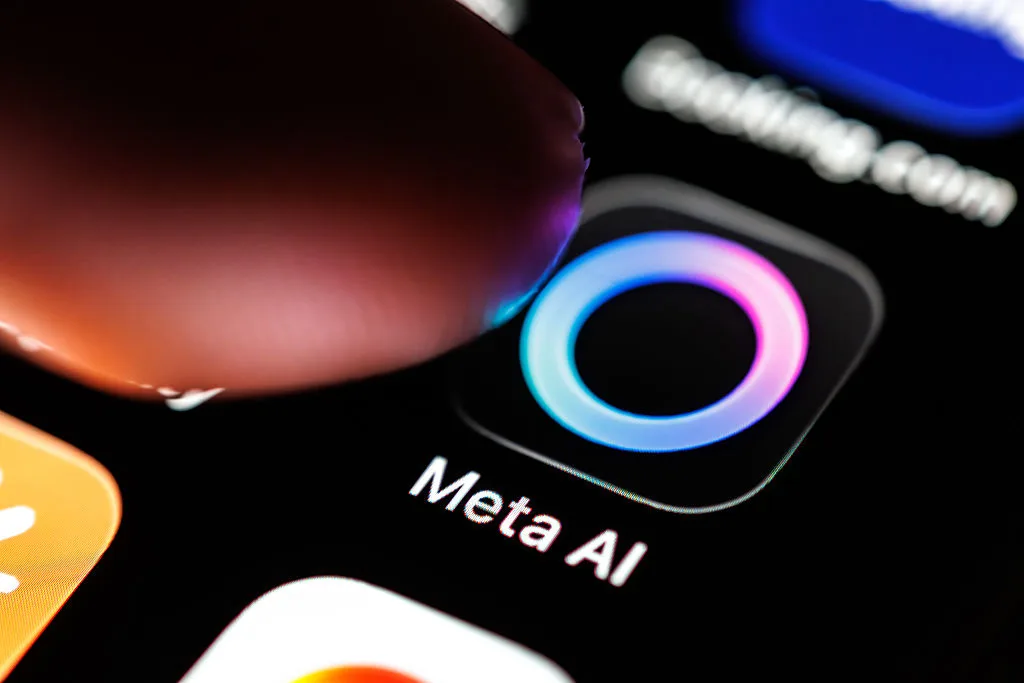
Meta has officially entered the desktop productivity space with the launch of a specialized Mac application for its Meta AI assistant. Unlike standard web-based chatbots, this new tool is designed to function seamlessly across the entire macOS operating system. This move signals a significant shift in how social media giants are positioning their artificial intelligence tools—moving from simple chat interfaces to deeply integrated productivity partners.
One of the most significant features of this release is the implementation of system-wide dictation. This functionality allows users to dictate text into any active application, mimicking the capabilities of other specialized productivity tools. Furthermore, powered by the advanced Muse Spark model, the AI can now interpret visual context by ‘eeing’ what is currently displayed on the user’s screen, allowing for highly relevant and context-aware responses.
Empowering Small Businesses and Merchants
Beyond individual productivity, Meta is positioning this update as a powerful asset for entrepreneurs and business owners. The integration goes far beyond simple text generation, offering a suite of tools designed to streamline commercial operations. By connecting various digital ecosystems, the AI becomes a central hub for business intelligence.
Key business integrations include:
- Social Media Connectivity: Linking Instagram and Facebook accounts to monitor engagement.
- Advertising Insights: Direct access to Meta ad campaign performance data.
- Productivity Suites: Integration with Google Workspace, including Gmail, Docs, Sheets, and Slides.
This connectivity allows merchants to ask complex questions about their marketing effectiveness, such as which specific posts are driving the most engagement or how their audience is reacting to new content. Additionally, the AI can leverage publicly available data to provide competitive intelligence, helping businesses stay ahead in their respective markets.
The Rise of AI Agents in the Professional Sphere
The ability to draft documents, create proposal decks, and manage spreadsheets through voice or text prompts marks a transition toward what industry leaders call ‘AI Agents.’ These are not just assistants that answer questions, but entities capable of performing complex tasks on behalf of the user.
The strategic direction for Meta appears clear: automating the friction points of business management. From customer support automation on platforms like WhatsApp to the generation of complex professional documents, the company is betting heavily on the idea that the future of work lies in autonomous AI agents that can manage workflows with minimal human intervention.