

A Massive Deal With Minimal Financial Pain
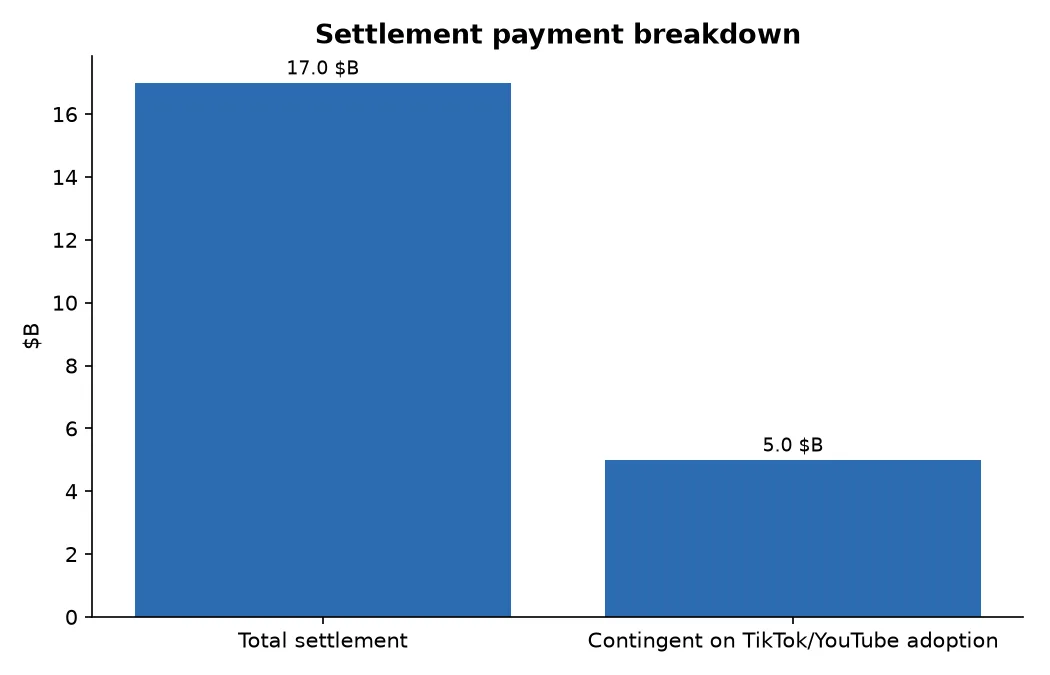
Meta has reached a landmark agreement with a bipartisan coalition of state attorneys general, putting an end to a high-profile lawsuit that accused Facebook and Instagram of being deliberately engineered to be addictive and to undermine teenagers’ mental health. Under the terms of the deal, Meta will pay $17 billion and implement a comprehensive set of new safeguards for users under 18 — but the company’s underlying business model remains remarkably unharmed.
New Protections That Barely Touch the Bottom Line
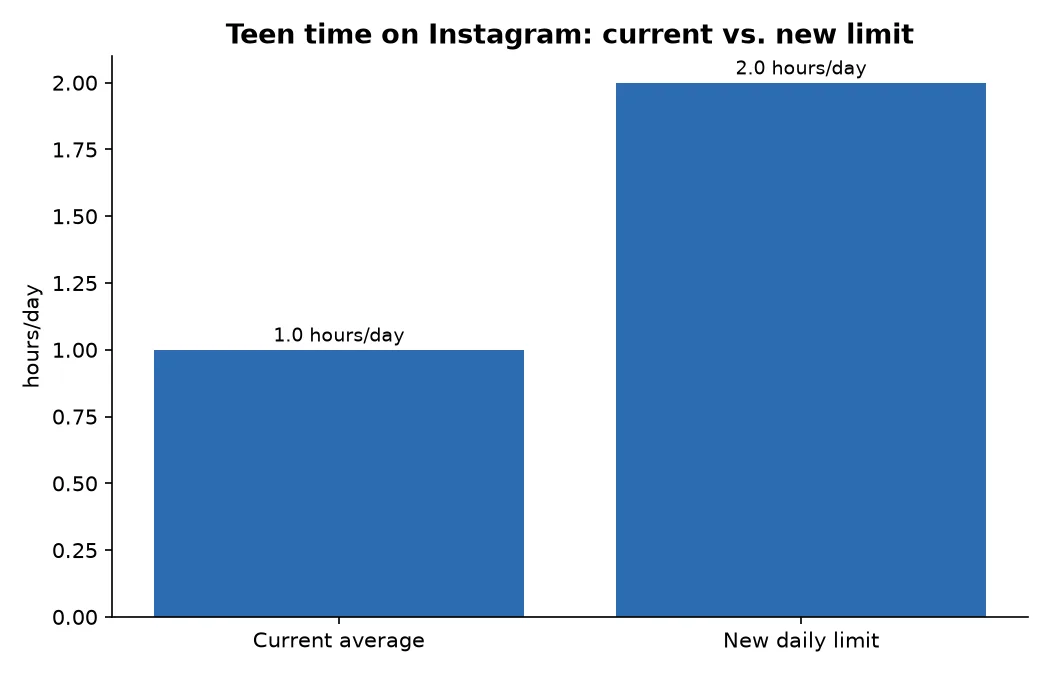
The new protections are sweeping on paper. They include enhanced parental controls, stricter age verification processes, a hard two-hour daily screen-time cap for minors, and overnight access blackout periods running from midnight until 6 a.m. For a company that has faced years of intense congressional scrutiny over its handling of youth data and well-being, these concessions represent a significant public relations move. Yet when examined closely, the restrictions barely scratch the surface of Meta’s financial engine.
Teenagers account for less than 1% of Meta’s total revenue, and current engagement data shows that young users already spend roughly one hour per day on Instagram — comfortably below the newly imposed two-hour ceiling. This means the behavioral changes mandated by the settlement are unlikely to meaningfully reduce the time teens spend on Meta’s platforms, nor will they dent the ad impressions and data collection that drive the company’s core income.
A Clever Play to Level the Competitive Field
Perhaps the most strategically clever element of the agreement is the contingent payment structure. Of the total $17 billion, $5 billion only becomes due if rival platforms TikTok and YouTube adopt identical restrictions for their younger users. By lobbying competitors to match its policies, Meta effectively eliminates any competitive disadvantage it might otherwise face as the only major platform forced to curtail teen engagement. If rivals comply, Meta pays less — and neutralizes any unique burden at the same time.
Relief for Investors, But Risks Remain
The settlement also lifts a substantial legal overhang that had been weighing on Meta’s stock. Prior estimates of potential liabilities from similar litigation had suggested figures materially higher than the $17 billion final amount, making the deal a relative windfall from a shareholder perspective. A company executive described the resolution as putting to rest a significant portion of the litigation burden in this area, while expressing confidence that Meta remains well-positioned to compete in the market.
That said, the agreement does not resolve every challenge confronting the company. The return on Meta’s exorbitant investments in artificial intelligence remains deeply uncertain, and competition from TikTok, YouTube, and other digital platforms continues to intensify. CEO Mark Zuckerberg’s vision of transforming the company into a hub for personal superintelligence represents a high-stakes strategic bet whose payoff is far from guaranteed.
The Next Frontier: AI and Teen Users
There is also a conspicuous gap in the settlement: it does not cover Meta AI, the company’s own chatbot. As regulators and advocacy groups increasingly focus on the risks artificial intelligence poses to younger users, this omission is likely to become the next flashpoint. Expect the conversation around teen AI usage to intensify in the months ahead, potentially spawning a new wave of regulatory proposals.
For investors, the settlement is essentially a wash — a costly but manageable resolution that preserves Meta’s business model while kicking the tougher questions about AI governance down the road. The company’s near-term financial outlook remains stable, but the long-term picture depends heavily on whether Zuckerberg’s ambitious AI vision can deliver a return that justifies the spending.