


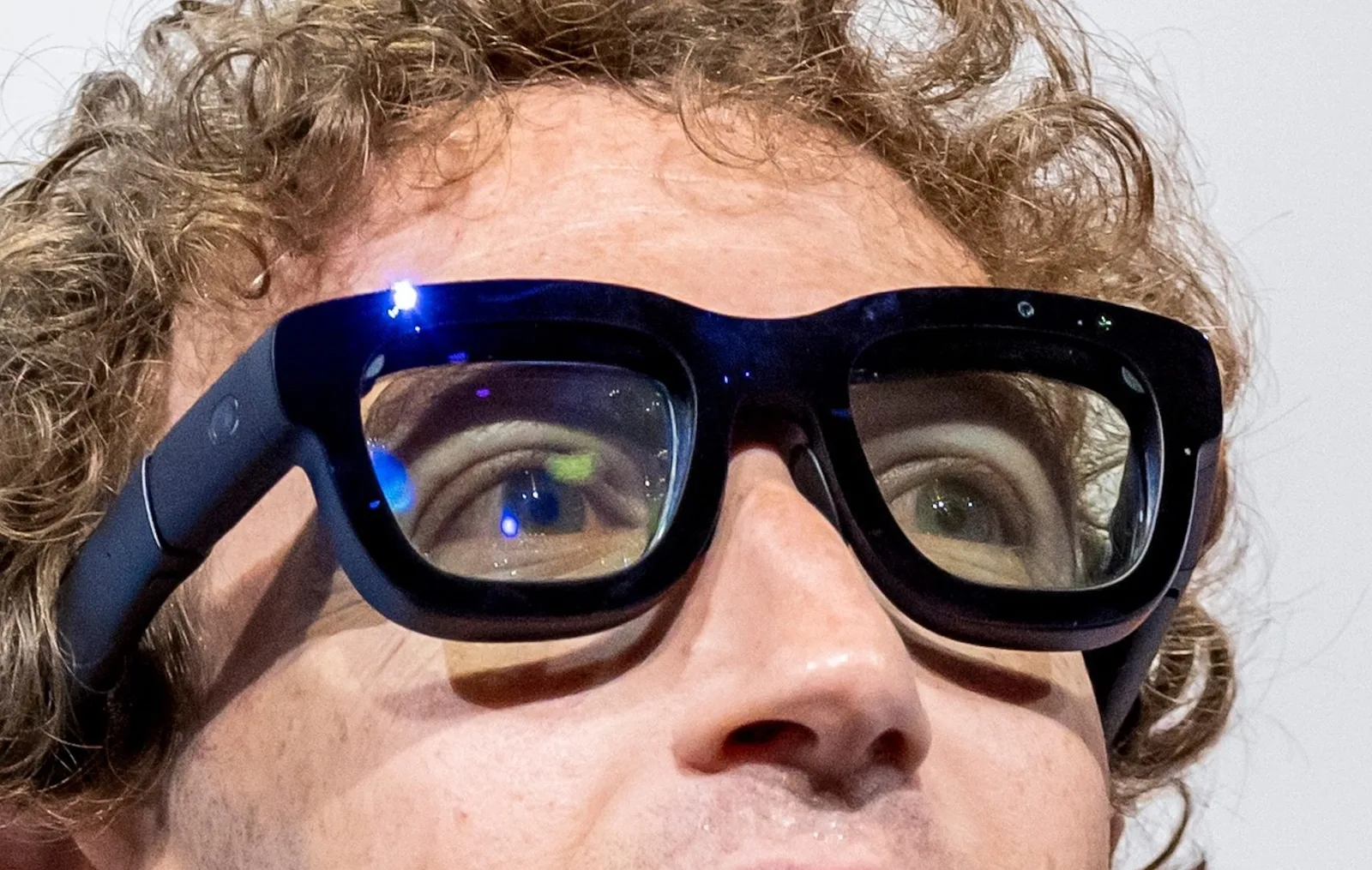
Norway Moves to Curb Camera-Enabled Wearables
The Norwegian government is advancing plans to regulate—or possibly outright ban—smart glasses and other wearable headsets that feature built-in cameras. Digital Minister Karianne Tung has signaled that the administration views the rapid spread of these devices as a pressing privacy issue requiring immediate legislative attention.
Privacy Concerns Drive the Push
Wearable devices from major technology companies increasingly combine cameras, internet connectivity, and artificial intelligence capabilities. Critics argue that these products allow users to record and surveil others in public spaces without consent, fueling a backlash that has earned the gadgets a controversial nickname among privacy advocates.
Tung highlighted a clear trajectory toward embedding AI-powered cameras and microphones into everyday items such as eyewear, headphones, and hats. She stressed that the government cannot allow this equipment to be used as a tool for monitoring people in public areas.
Facial Recognition Under Scrutiny
Among the most contentious features under discussion is facial recognition technology, which some of these wearables are expected to incorporate in the near future. Tung indicated that legislation could specifically prohibit the use of facial recognition systems on members of the public in shared spaces.
Expert Group to Shape Policy
To guide the legislative process, Tung announced the creation of an expert advisory panel tasked with recommending stronger protections for individual privacy rights. The group is expected to evaluate the risks posed by current and upcoming wearable technologies and propose regulatory frameworks that balance innovation with civil liberties.
The initiative reflects a broader global debate over how governments should respond to the privacy implications of always-on, AI-enhanced devices that blur the line between personal convenience and public surveillance.