

A Strategic Alliance for AI Compute Power
The race for artificial intelligence dominance is increasingly becoming a battle for infrastructure. Nvidia has officially announced a $1.5 billion investment in SB Energy, a developer focused on the data center and energy solutions required to sustain next-generation AI models. This move is not just a financial injection; it is a strategic fortification of Nvidia’s ecosystem.
Through this partnership, Nvidia has positioned itself as the exclusive provider of computing infrastructure for the Ports-Pike data center located near Cincinnati, Ohio. This facility is closely tied to the operations of OpenAI, the creator of ChatGPT, ensuring that the hardware driving the most advanced AI models remains deeply integrated with Nvidia’s technology.
Scaling Up: From Gigawatts to Massive Infrastructure
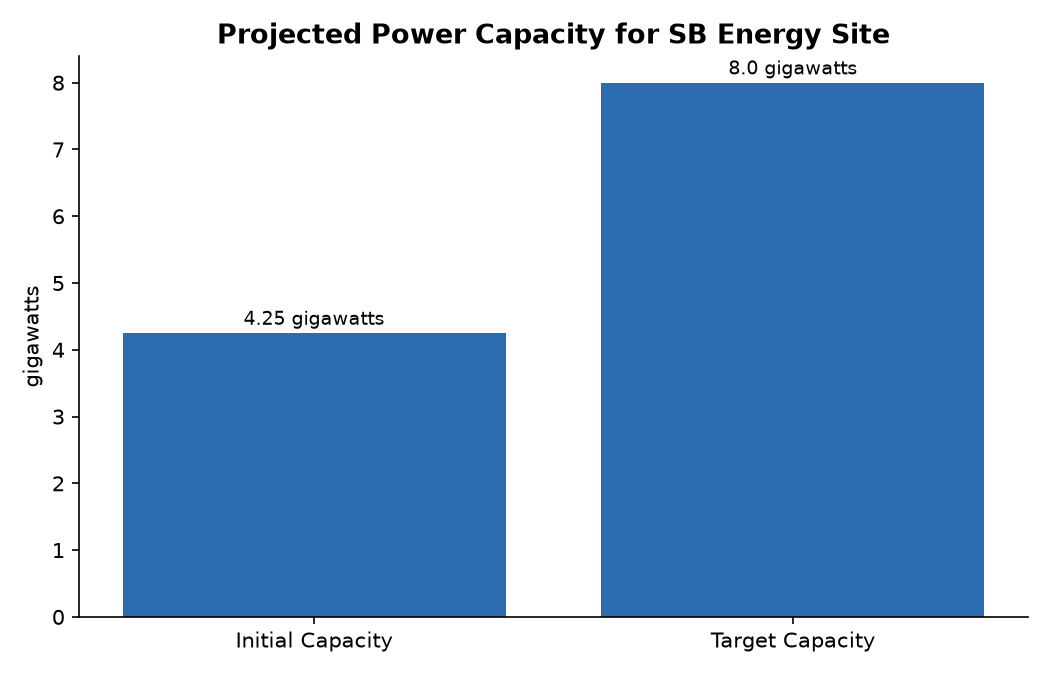
The scale of the project is immense. Beyond the initial $1.5 billion equity stake, Nvidia is prepared to extend up to $105 billion in credit to facilitate the construction of the facility. This massive financial backing is designed to support a significant expansion in power capacity.
- Initial capacity: 4.25 gigawatts
- Projected capacity: 8 gigawatts
To meet these staggering energy requirements, SB Energy plans to construct a 9.2 gigawatt natural gas power plant on land currently owned by the U.S. Department of Energy. Interestingly, this site holds historical significance, having previously been used for uranium enrichment for the U.S. nuclear arsenal and Navy submarines.
The Rising Cost of Energy in the AI Era
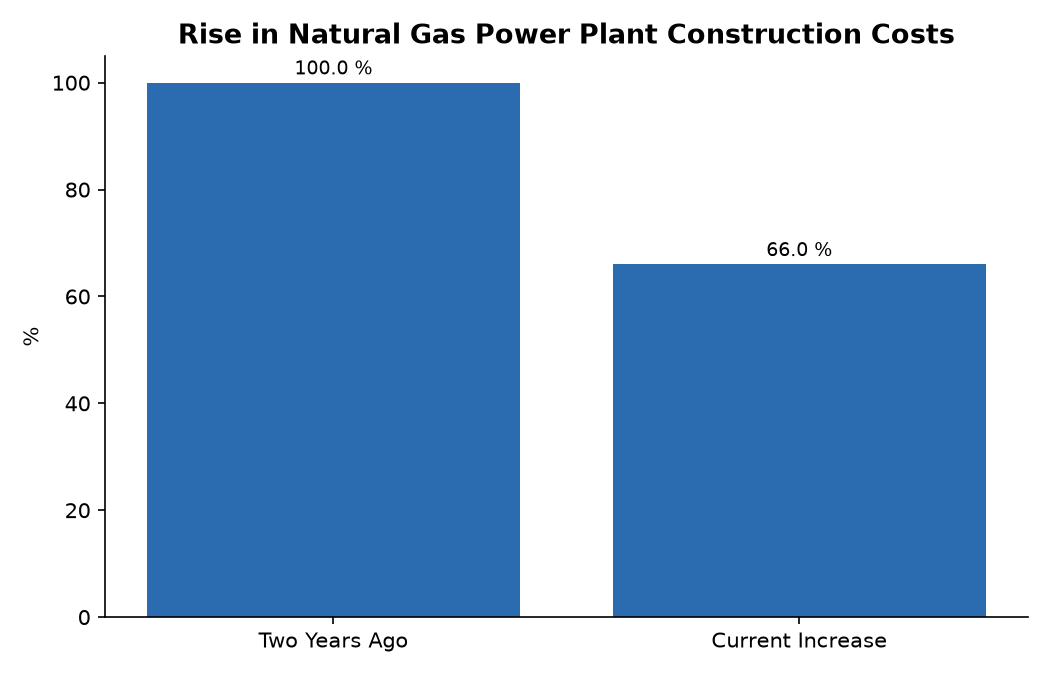
The sheer magnitude of these projects comes with a high price tag. The planned power plant alone is estimated to cost approximately $33 billion. This reflects a broader economic trend: the cost of building natural gas power plants has surged by 66% over the last two years.
This spike in construction costs, combined with the massive energy demands of AI data centers, could have significant ripple effects on the energy market. As these facilities come online, they will compete directly with export markets for natural gas supplies, a dynamic that experts suggest could triple gas prices in certain domestic regions.