

The Core Allegations of the Lawsuit
The lawsuit centers on the claim that the Oura ring is marketed as a precise sleep tracker, capable of monitoring sleep stages with clinical-level accuracy. However, the plaintiffs argue that the device lacks the necessary sensors to measure brain activity or eye movement, which are essential for true sleep analysis. Instead, the ring uses artificial intelligence to estimate sleep patterns based on limited data like heart rate and movement, leading to what the complaint describes as ‘a coin flip’s chance of being correct.’ This fundamental flaw, according to the allegations, means the device cannot reliably determine sleep quality or cycles.
Marketing Claims vs. Technological Reality
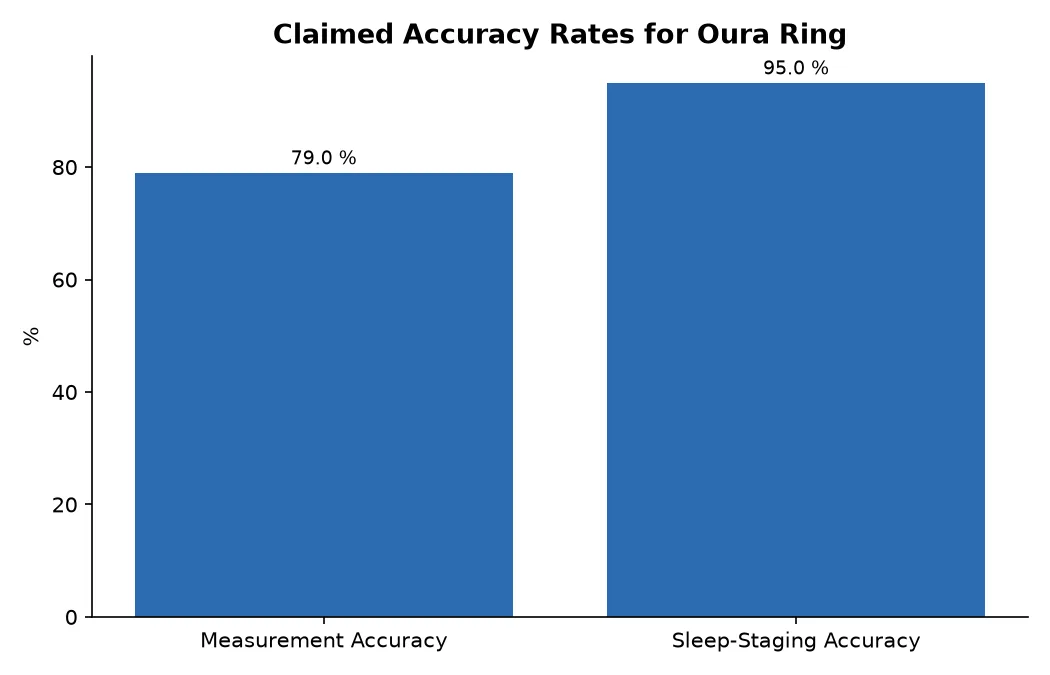
Oura has advertised its rings as offering ‘unparalleled accuracy,’ with specific claims of achieving 79% measurement accuracy and up to 95% sleep-staging precision compared to clinical labs. The rings are priced at $300 and above, targeting health-conscious consumers seeking a premium wearable. Critics point out that accurate sleep staging requires electroencephalogram (EEG) electrodes on the scalp and sensors on the eyes, which are not feasible in a finger-worn device. The gap between marketing promises and technological capabilities forms the basis of the deception allegations.
Consumer Frustrations and Broader Implications
For years, users have shared online about inconsistencies in their sleep data, with some reporting feeling unrested while the device indicated optimal sleep. This lawsuit highlights a wider issue in the wearable tech industry: the tension between innovative AI-driven features and the need for scientific validation. When consumers rely on inaccurate health data to make lifestyle decisions, it can lead to unnecessary stress or misplaced confidence in one’s well-being, underscoring the ethical responsibilities of manufacturers.
Legal Action and Potential Outcomes
The complaint seeks injunctive relief to stop false advertising and restitution for affected buyers. If successful, this case could set a precedent for stricter regulations on health claims in consumer technology. It also prompts a broader conversation about how wearables should be tested and certified to ensure they meet the accuracy standards they promote, especially as AI becomes more integrated into personal health tools.
The Future of Sleep Tracking Innovation
As the market for sleep tech grows, this lawsuit may encourage companies to invest in more rigorous research and transparent communication about their devices’ limitations. For consumers, it serves as a reminder to critically evaluate health claims and consider the evidence behind wearable technologies, potentially driving demand for more reliable and scientifically backed products in the future.