


The Hidden Costs of Unplanned Estates
When an individual passes away, their estate often faces a complex web of tax obligations that can significantly diminish the inheritance left to loved ones. From federal estate taxes to state-level inheritance levies, the financial impact can be substantial if not managed correctly. Furthermore, recent legislative changes, such as the SECURE Act, have complicated matters by requiring most non-spouse beneficiaries to fully withdraw inherited retirement accounts within a ten-year window, eliminating the ability to spread out distributions over a lifetime.
Key Tax Challenges for Heirs
- Retirement Account Liabilities: Traditional IRAs and 401(k)s are subject to standard income tax upon withdrawal, which can push beneficiaries into higher tax brackets.
- The ‘Widow’s Tax’ Effect: Surviving spouses often face a higher tax burden when transitioning from ‘arried filing jointly’ to ‘ingle’ status, as they lose half of the standard deduction despite having similar income levels.
- Capital Gains Exposure: Assets that appreciate significantly in value can trigger capital gains taxes if the timing of the sale isn’t optimized following a death.
- State-Level Taxes: Depending on residency, states may impose their own estate or inheritance taxes, sometimes with much lower exemption thresholds than the federal government.
Strategic Solutions for Wealth Preservation
Effective estate planning is a proactive process designed to shift assets out of the taxable estate while ensuring liquidity for your heirs. Here are several proven strategies to consider:
1. Utilizing Specialized Trusts
Trusts can be powerful tools for managing wealth. For instance, Irrevocable Life Insurance Trusts (ILITs) can remove life insurance proceeds from your taxable estate, while Spousal Lifetime Access Trusts (SLATs) allow couples to move assets out of their estates while still maintaining access to the funds for the spouse.
2. Strategic Gifting and Charitable Giving
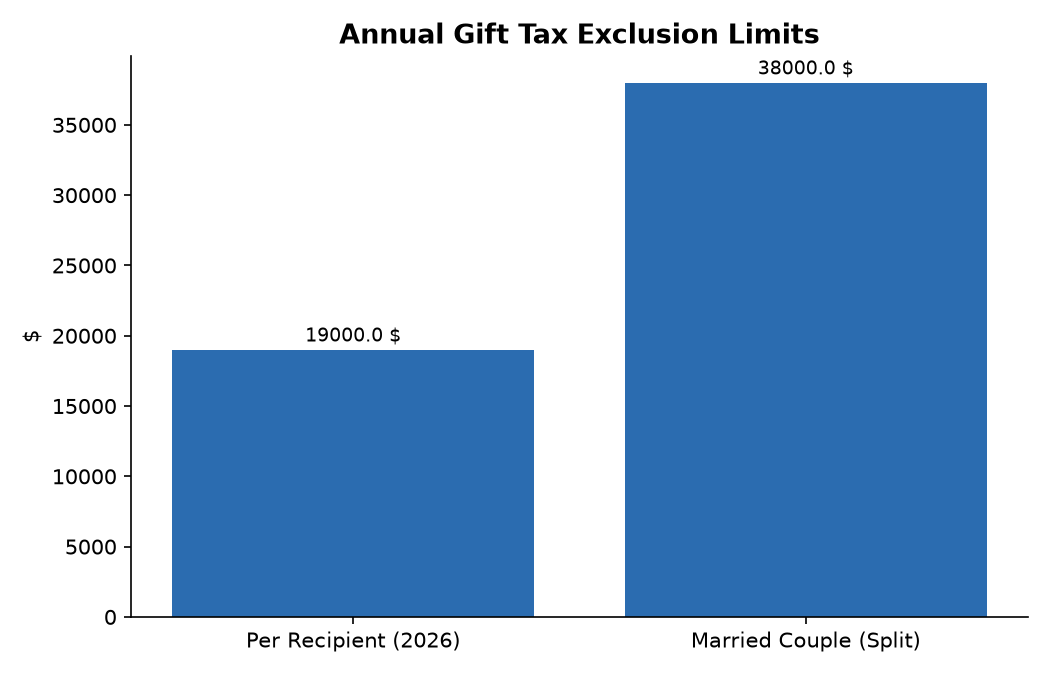
Annual gifting allows you to reduce your total taxable estate by transferring a set amount to individuals tax-free each year. For 2026, this limit is expected to be $19,000 per recipient, or $38,000 for married couples splitting the gift.
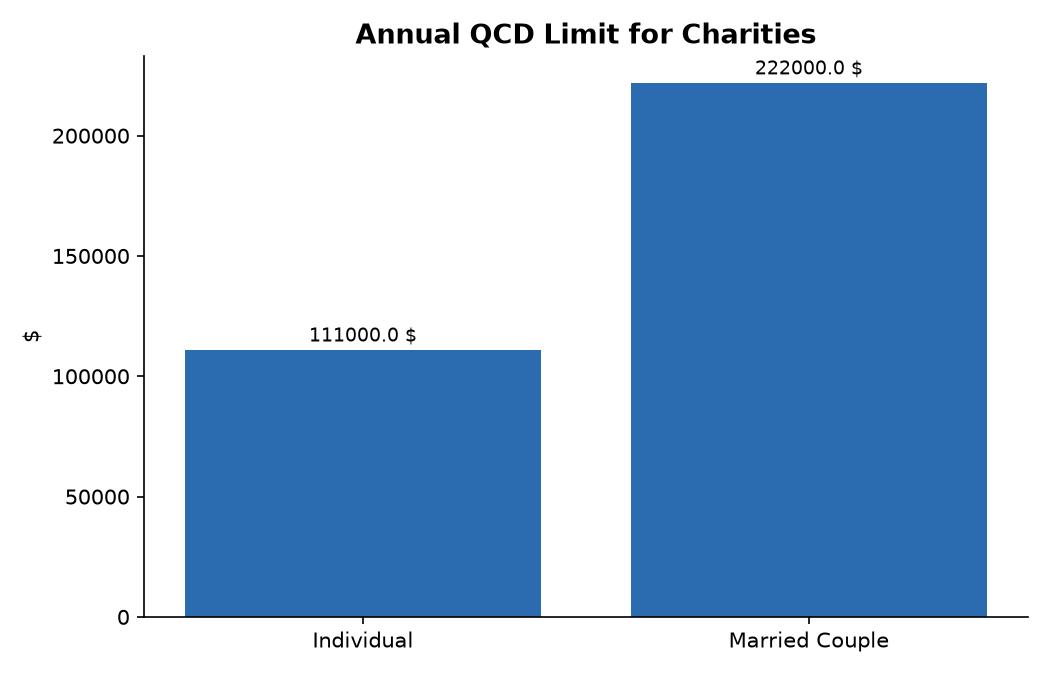
Charitable giving also offers significant advantages. Through mechanisms like Qualified Charitable Distributions (QCDs), individuals aged 70½ or older can transfer up to $111,000 annually from a traditional IRA to a charity tax-free. This not only benefits the cause but also reduces the taxable income of the estate.
3. Roth Conversions and the Step-Up in Basis
Converting traditional retirement accounts into Roth IRAs can be a highly effective way to provide heirs with a tax-free inheritance. While you pay the income tax now, you eliminate future tax liabilities for your beneficiaries.
Additionally, the ‘tep-up in basis’ remains one of the most vital provisions for estate planning. This rule adjusts the cost basis of an inherited asset to its fair market value at the time of death, effectively wiping out the capital gains tax on all appreciation that occurred during the original owner’s lifetime.
Conclusion: Planning for Clarity and Security
Ultimately, estate planning is about more than just numbers; it is about providing clarity and protection for your family during an emotionally difficult time. By addressing retirement accounts, business succession, and tax implications early, you ensure that your legacy reaches your loved ones as intended.