


The True Price of Retirement Healthcare
Most Americans map out their retirement around travel, housing, and daily living — but healthcare quietly becomes the single largest expense for many. A retiring 65-year-old in 2026 faces an estimated $185,000 in medical costs, and that figure excludes long-term care entirely.
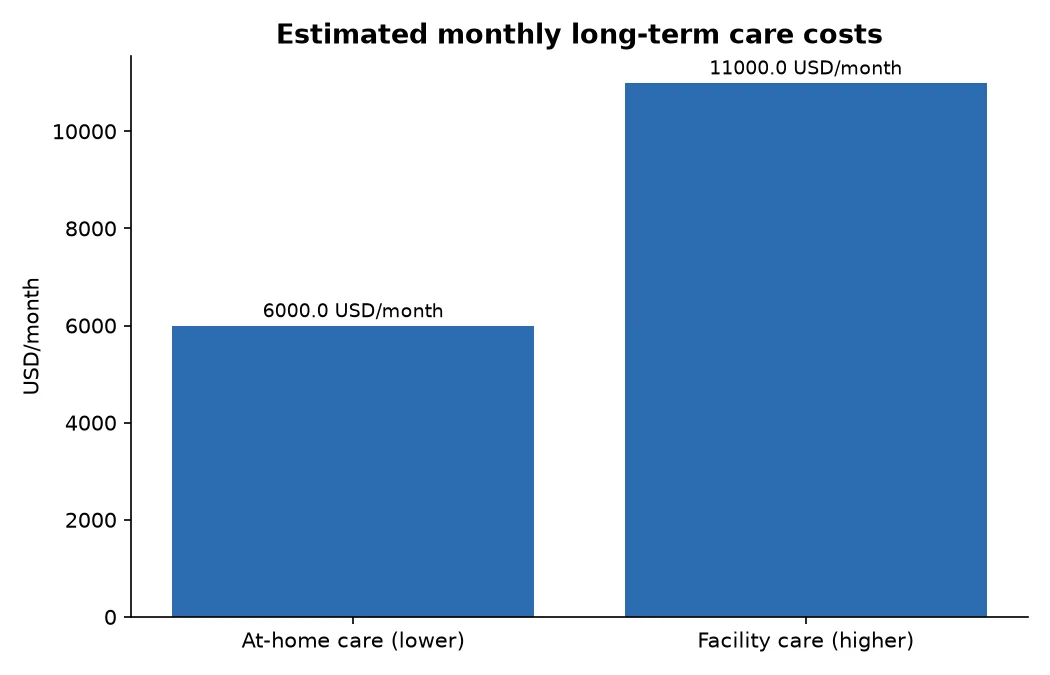
If you anticipate needing professional care at home or in a facility, monthly bills can run anywhere from $6,000 to $11,000. With Americans living longer than ever, the risk of losing self-sufficiency in your later years is real and costly.
Medicare’s Blind Spots
Medicare is invaluable, but it is not all-encompassing. Beneficiaries still shoulder deductibles, coinsurance, and premiums — plus surprise charges for out-of-market coverage or emergency care. Routine dental, hearing, and vision care fall outside Medicare’s scope entirely.
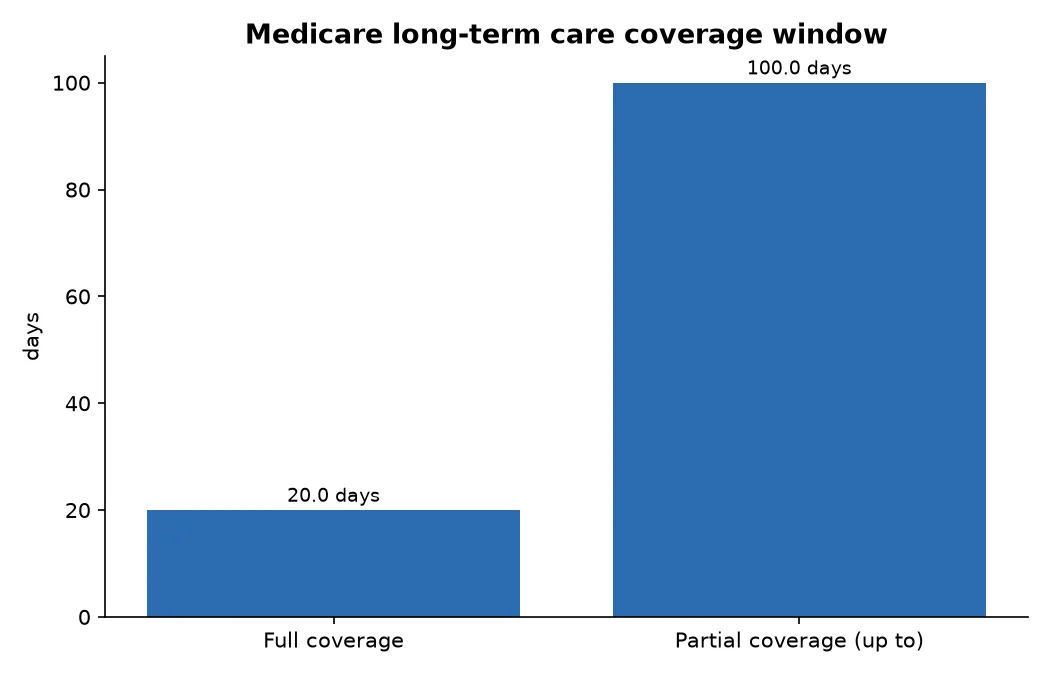
Time limits are another trap. Medicare covers the first 20 days of a long-term care stay in full and only a portion through day 100. After that, the bill lands squarely on you.
HSA Strategy and Enrollment Timing
If you are still working, a Health Savings Account is one of the most tax-efficient vehicles to stockpile funds for future medical costs. Contribute early, contribute often — the compound tax advantage is massive over decades.
Timing your Medicare enrollment matters just as much. Most people sign up at 65, but if you are still employed with employer-sponsored coverage, you can delay Part B without penalty. The danger zone is enrolling late without qualifying coverage: premiums jump 10% for every year you were eligible but did not enroll. That penalty follows you for the rest of your retirement.
Prevention Is the Best Financial Plan
The single most effective way to lower healthcare spending in retirement is to stay healthy. Regular exercise, solid nutrition, and proactive screenings reduce your risk of heart disease, fractures, and chronic conditions — all of which translate directly into fewer medical bills.
Think of your health as a retirement investment: the earlier you start, the greater the returns. But even small changes later in life can meaningfully lower your risk profile and your future expenses.