


The Landlord’s Dilemma: Maintenance vs. Freedom
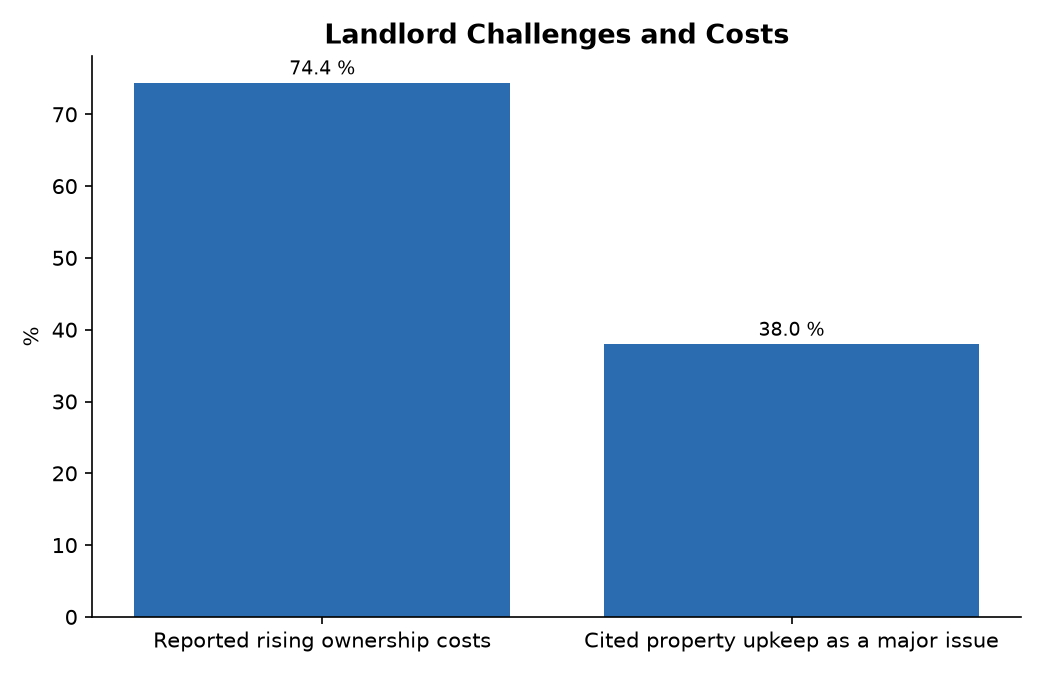
For many real estate investors, the dream of retirement is often interrupted by the reality of property management. Instead of relaxing, they find themselves managing urgent repairs, navigating tenant disputes, and watching rising ownership costs erode their margins. Recent data highlights this growing frustration, with a significant majority of independent landlords reporting increased ownership costs, and a large percentage citing property upkeep as a primary stressor.
When an investor decides they are ‘done’ with the day-to-day grind, they often feel trapped by the tax implications of selling. This is where the 1031 exchange becomes a vital tool, allowing for the deferral of capital gains taxes by reinvesting proceeds into ‘like-kind’ properties. However, many investors mistakenly believe they only have two choices: continue managing a property or sell and pay heavy taxes.
Expanding the Spectrum of 1031 Options
The reality is much more nuanced. Depending on whether you want to retain control or prioritize simplicity, several paths exist to transition from active to passive income.
1. Direct Property Replacement (Active Management)
The most traditional route is exchanging one rental property for another. This allows for portfolio scaling or moving into higher-value assets. However, for someone looking to exit the management role, this simply replaces one set of headaches with another, albeit potentially a larger asset.
2. Tenancy in Common (TIC)
A TIC allows multiple investors to hold fractional ownership in a single property. It offers a middle ground: you maintain a direct ownership interest, providing more control than a trust, but you must coordinate decisions with your partners. It is a collaborative approach that requires a high level of communication and complex financing structures.
3. Delaware Statutory Trusts (DST)
For those seeking near-total passivity, a DST is a popular institutional-grade option. By purchasing a fractional interest in a professionally managed trust, you delegate all management to a sponsor. This is highly efficient for meeting the strict 45-day identification window required by the IRS, but it comes with trade-offs: you lose control over when the property is sold and must account for front-end fees that can range from 10% to 15%.
The Hybrid Approach: Triple Net Leases
If you want to retain ownership and control but eliminate the « toilets and tenants » aspect, single-tenant NNN (triple net) leases are a powerful alternative. In these arrangements, the tenant assumes responsibility for the three major operating expenses: real estate taxes, building insurance, and maintenance.
- Standard NNN: The tenant handles most operational costs, providing a steady, low-effort income stream.
- Absolute NNN: This is the gold standard of passivity, where the tenant is responsible for everything, including the roof and structural integrity.
These assets behave similarly to fixed-income investments, with yields often tied to the creditworthiness of the tenant and the remaining lease term rather than just the physical building.
Strategic Decision Making
Choosing the right path requires aligning your investment structure with your personal priorities. Ask yourself: Do I want to maintain control over the timing of my next sale, or am I willing to trade control for total simplicity? Do I want to manage the asset, or do I want the tenant to handle the maintenance? The most successful transitions occur when investors plan their exit strategy long before they sell their first property, ensuring they respect the tight regulatory windows required to keep their tax benefits intact.