


Why the September Fed Meeting Matters
Every time the Federal Reserve convenes, its Federal Open Market Committee (FOMC) evaluates the state of the economy and decides whether to adjust the benchmark federal funds rate. The September meeting carries extra weight because it often serves as a pivot point — policymakers reassess inflation trends, employment data, and growth forecasts accumulated over the summer before heading into the final quarter of the year.
For ordinary Americans, the Fed’s decisions do not stay inside conference rooms. They directly influence the cost of borrowing, the return on savings, and the trajectory of stock and bond markets.
Key Factors the Fed Will Weigh
Several economic indicators take center stage ahead of the meeting:
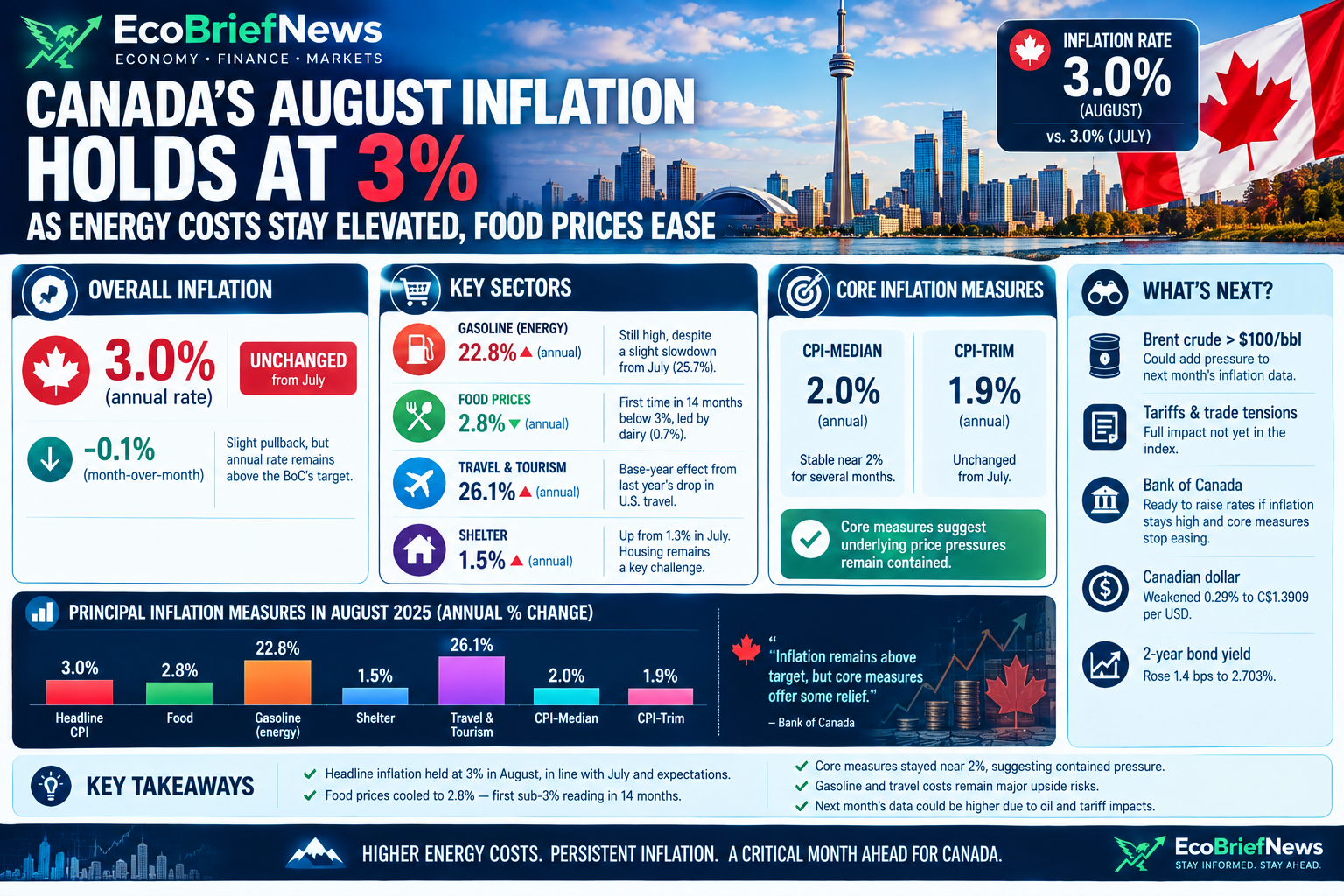
- Inflation readings: Consumer price index (CPI) and personal consumption expenditures (PCE) data help the Fed gauge whether prices are moving toward its 2% target.
- Employment figures: Job growth and wage trends signal whether the labor market remains robust or is cooling down.
- Consumer spending: Retail sales and household balance sheet health offer clues about the broader economic momentum.
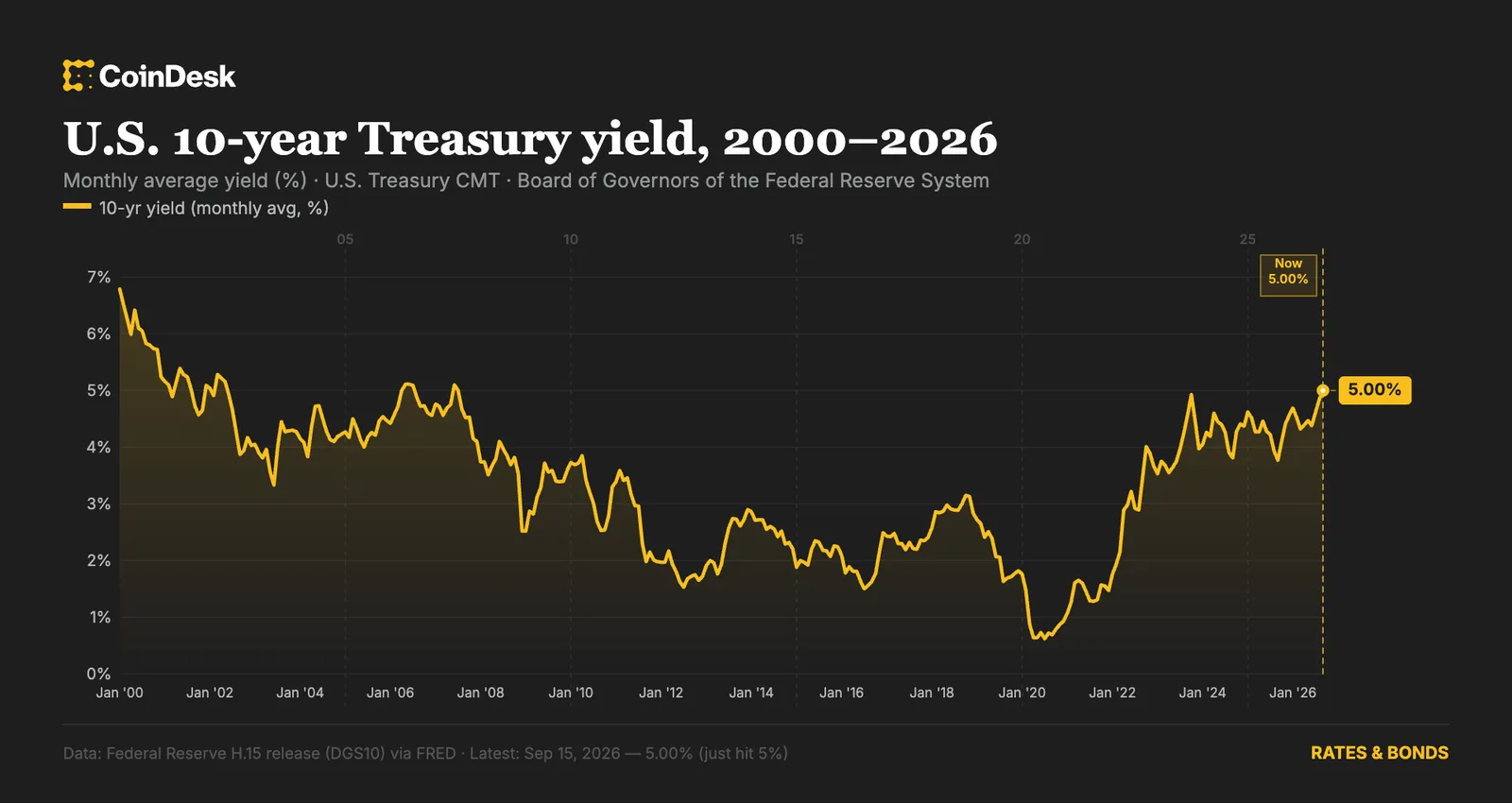
- Mortgage rates: While the Fed does not directly set mortgage rates, its decisions influence the 10-year Treasury yield, which is closely tied to long-term lending costs.
- Credit card and loan payments: Rates on variable-rate products tend to move in step with the federal funds rate.
- Savings accounts: Higher rates generally mean better yields on deposits, while lower rates erode returns.
- Investment portfolios: Equity and bond markets often react sharply to policy shifts, making it essential for investors to stay informed.
Each of these data points shapes the debate between those advocating for rate cuts to support growth and those pushing for caution to keep inflation in check.
What the Decision Means for Your Money
The Fed’s choice — whether to cut, hold, or raise rates — has immediate real-world consequences:
Market Reactions and What to Watch Next
Financial markets price in Fed decisions in real time. Fed funds futures and bond yields frequently move within minutes of a statement release or press conference. Investors pay close attention not only to the rate decision itself but also to the tone of the accompanying statement and the projections released by policymakers.
Looking ahead, the post-meeting commentary provides a roadmap for what to expect through the remainder of the year. Central bank guidance on future policy direction helps businesses and consumers plan, making the September meeting a critical moment for anyone with an interest in the economy — whether as an investor, a borrower, or a saver.
The Bottom Line
The September Fed meeting is more than a routine policy review. It is a turning point that can reshape market expectations and alter financial strategies across the country. Staying informed about its outcomes and the reasoning behind them is one of the most practical steps any consumer or investor can take to navigate an uncertain economic landscape.