

A New Era of Interactive Music
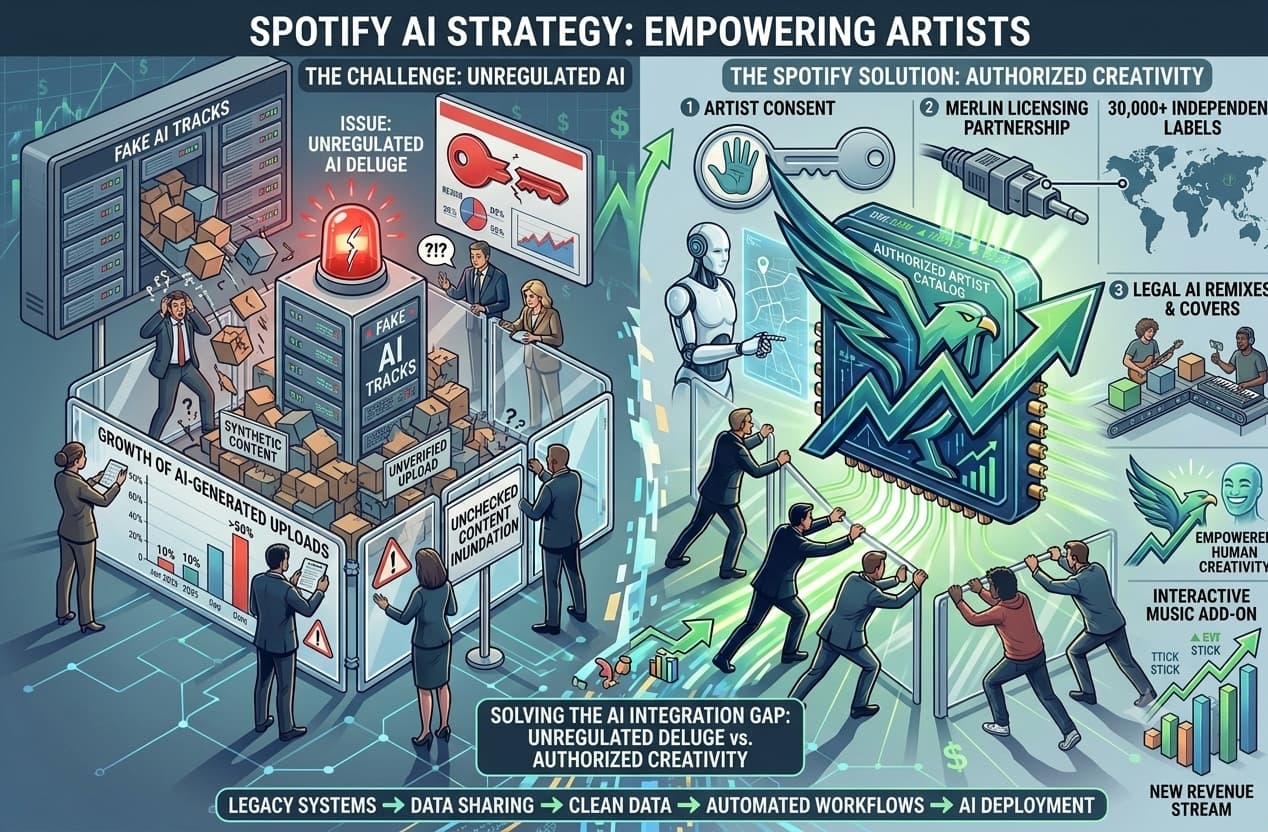
The music streaming landscape is on the verge of a major transformation as artificial intelligence begins to reshape how fans interact with their favorite tracks. Rather than fighting the tide of AI-generated content, Spotify is carving out a unique niche by focusing on authorized creativity. The company recently announced a new initiative that allows users to create AI-driven covers and remixes, provided they have the explicit consent of the original artists.
This approach seeks to solve one of the biggest tensions in the modern music industry: the rise of ‘fake’ AI tracks. While many startups focus on creating entirely synthetic artists, Spotify is positioning itself as the champion of ‘eal artists,’ ensuring that human creativity remains at the heart of the experience.
Expanding the Network with Merlin
To make this vision a reality, scale is essential. Spotify has secured a significant partnership with Merlin, a major licensing entity for independent music distributors. This collaboration is a massive win for the project, as it brings in a vast network of over 30,000 independent labels into the ecosystem.
By working alongside industry giants, Spotify is building a framework where:
- Consent is Mandatory: Artists must agree to have their work included in the AI catalog.
- Credit is Guaranteed: Every AI-generated remix will clearly acknowledge the original creator.
- Compensation is Integrated: The platform is designed to drive direct revenue back to the artists, creating a new monetization model for the AI era.
Addressing the AI Surge in Streaming
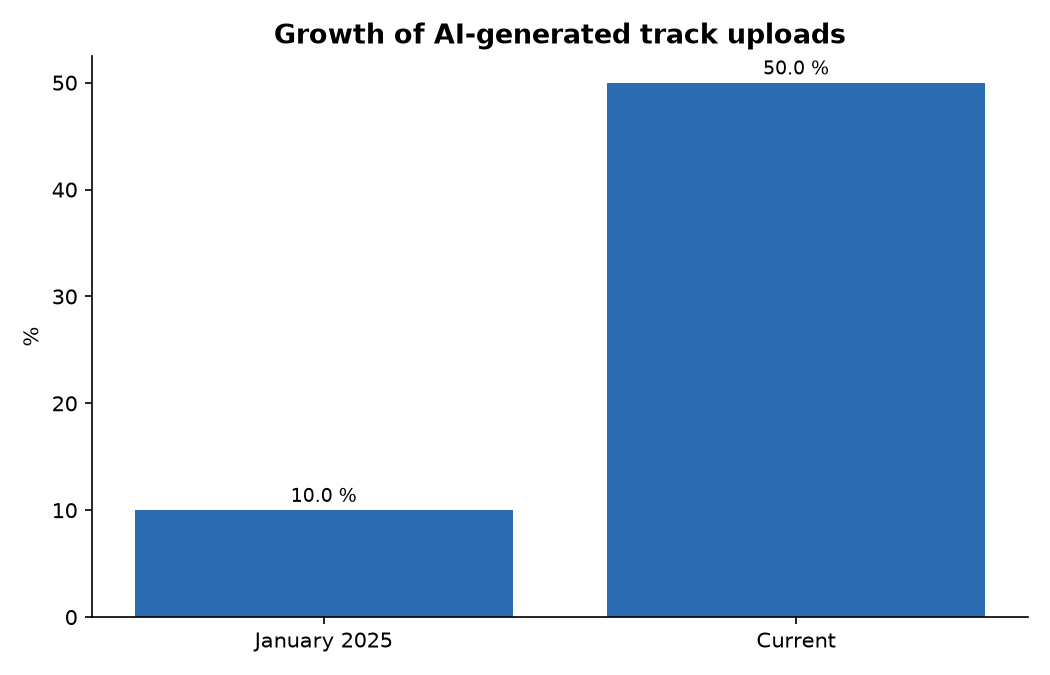
The necessity for a regulated AI model is becoming increasingly clear as synthetic content floods digital platforms. Recent industry data highlights a staggering shift in content creation: the percentage of daily track uploads generated via AI has surged from just 10% at the start of 2025 to over 50% recently.
Without a standardized way to manage these uploads, platforms face a deluge of unverified content. Spotify’s strategy aims to provide a legal, structured pathway that captures this momentum while protecting the rights and livelihoods of professional musicians.
The Future of Music Consumption
The upcoming feature is expected to launch as a paid add-on, representing a new revenue stream for both the platform and the creators. While a research preview will initially be limited to a specific group of users, the goal is clear: to integrate generative technology into the existing musical fabric rather than replacing it.
By creating a system that requires the platform’s infrastructure to function legally, Spotify is positioning itself as an indispensable intermediary in the future of interactive music.