


The Intersection of Goals, Risk, and Time
Every investor pursues a return on their capital, but the path to achieving that return varies significantly. The decision-making process generally revolves around three core pillars: your investment objective, your tolerance for market volatility, and your time horizon.
These factors are deeply interconnected. For instance, a professional early in their career typically enjoys a longer time horizon, allowing them to absorb short-term market fluctuations in pursuit of long-term compounding. Conversely, someone approaching retirement may prioritize stability over aggressive growth. Understanding this relationship is the first step in building a resilient portfolio.
Tailoring ETFs to Life’s Major Milestones
The expansion of the ETF market—now exceeding 5,500 funds—means investors can target very specific needs. Here is how to approach different financial scenarios:
1. Long-Term Wealth and Retirement
As traditional pensions become less common, the responsibility for retirement savings has shifted to individuals. For those building wealth over decades, the focus should be on diversification to avoid uncompensated risks associated with single sectors or companies. Diversified allocation funds that mix global equities and bonds can provide a balanced approach, automatically rebalancing to maintain a target risk level.
2. Education and Generational Savings
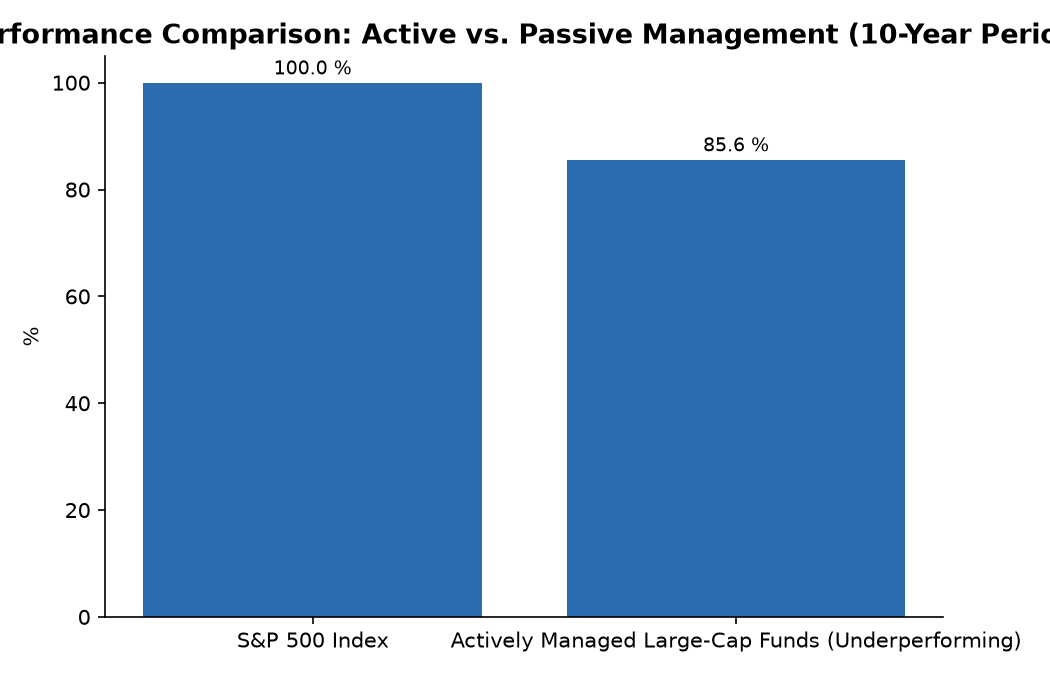
When saving for a child’s future, time is your greatest ally. Because these funds can remain invested for decades, investors can often lean more heavily into broad U.S. equity indexes. While these may experience volatility, they have historically provided significant capital appreciation over long periods. Low-cost index ETFs are particularly effective here, as minimizing fee drag ensures more money stays invested for the beneficiary.
3. Emergency Reserves and Liquidity
An emergency fund serves as a financial buffer against unexpected events like medical bills or home repairs. For this purpose, two qualities are non-negotiable: principal safety and high liquidity. Short-term Treasury bond ETFs are a common choice, offering higher credit quality and the ability to trade like a stock, ensuring cash is accessible when crises arise without the volatility of the broader stock market.
4. Generating Passive Income
For those seeking regular cash flow, income-focused ETFs can provide monthly distributions. However, investors must be wary of the trade-offs. Some high-yield funds use complex strategies like covered calls to boost income, which can cap your potential upside during market rallies. Understanding whether a distribution is a return of capital or traditional dividend income is vital for tax planning.
5. Optimizing Tax Efficiency
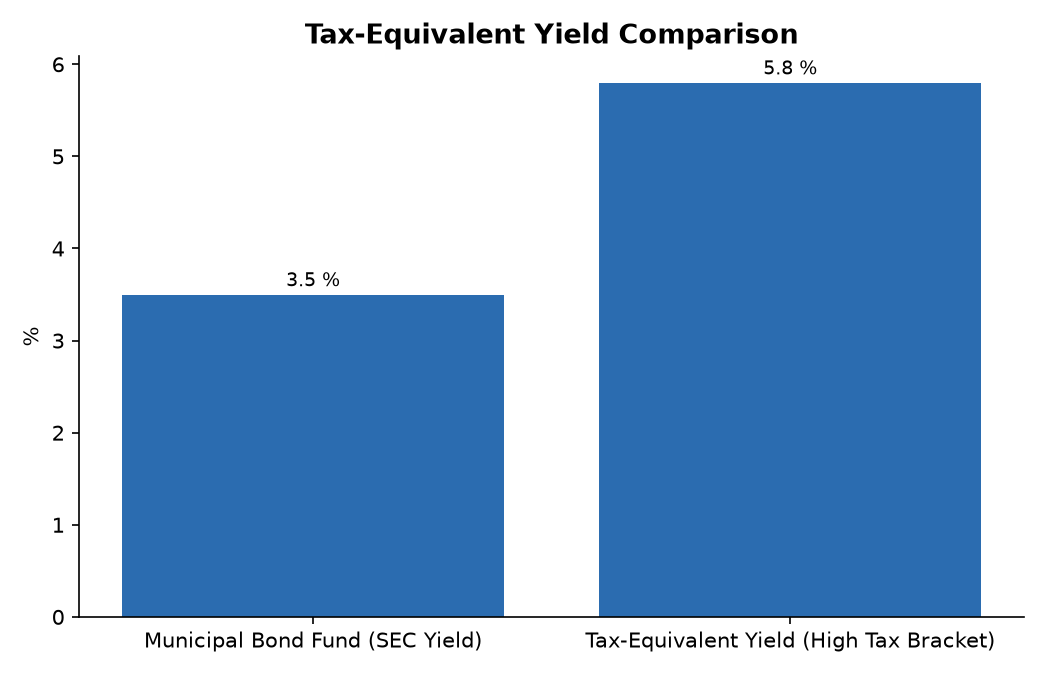
In taxable brokerage accounts, taxes can significantly erode net returns. For investors in high tax brackets, municipal bond ETFs offer a strategic advantage. Because the interest from these bonds is often exempt from federal taxes, they can provide a higher ‘tax-equivalent yield’ compared to traditional taxable bonds, making them a powerful tool for wealth preservation.