

A Tug-of-War Between Tech and Traditional Sectors
The S&P 500 experienced a volatile session, ultimately ending flat as massive losses in the technology sector neutralized gains across much of the broader market. While nine out of the eleven sectors within the index traded higher, the weight of the tech-heavy components prevented a significant breakout.
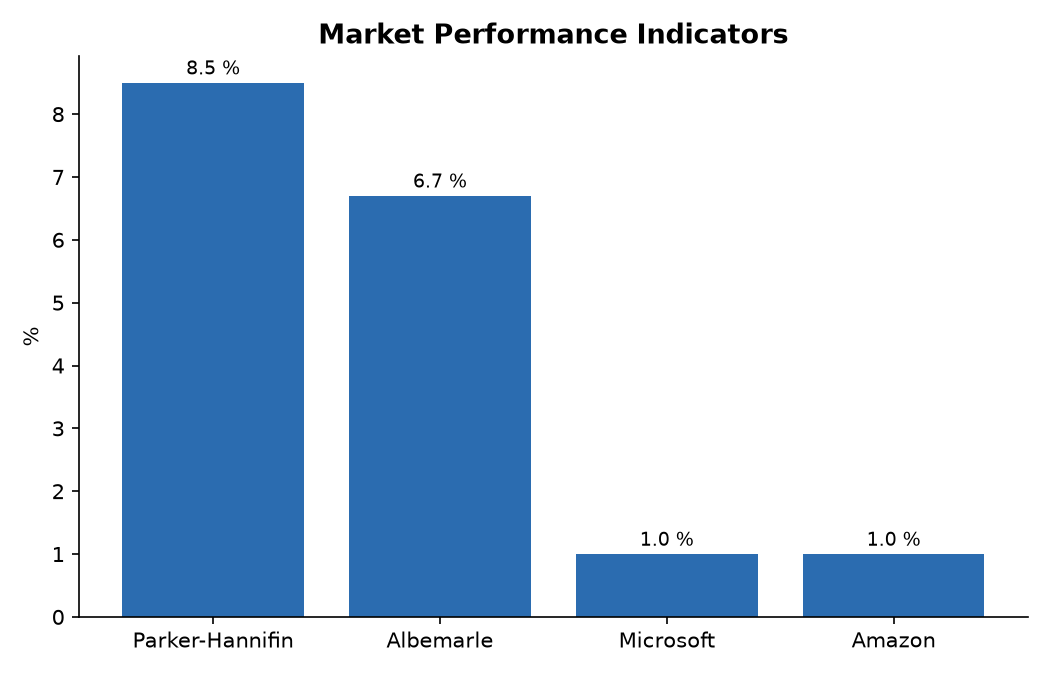
The energy, healthcare, and consumer staples sectors acted as pillars of stability, helping to cushion the impact of the tech sell-off. Even major players like Microsoft and Amazon managed to post modest gains of approximately 1% each, providing a baseline of support for the benchmark index.
Semiconductor and Software Under Pressure
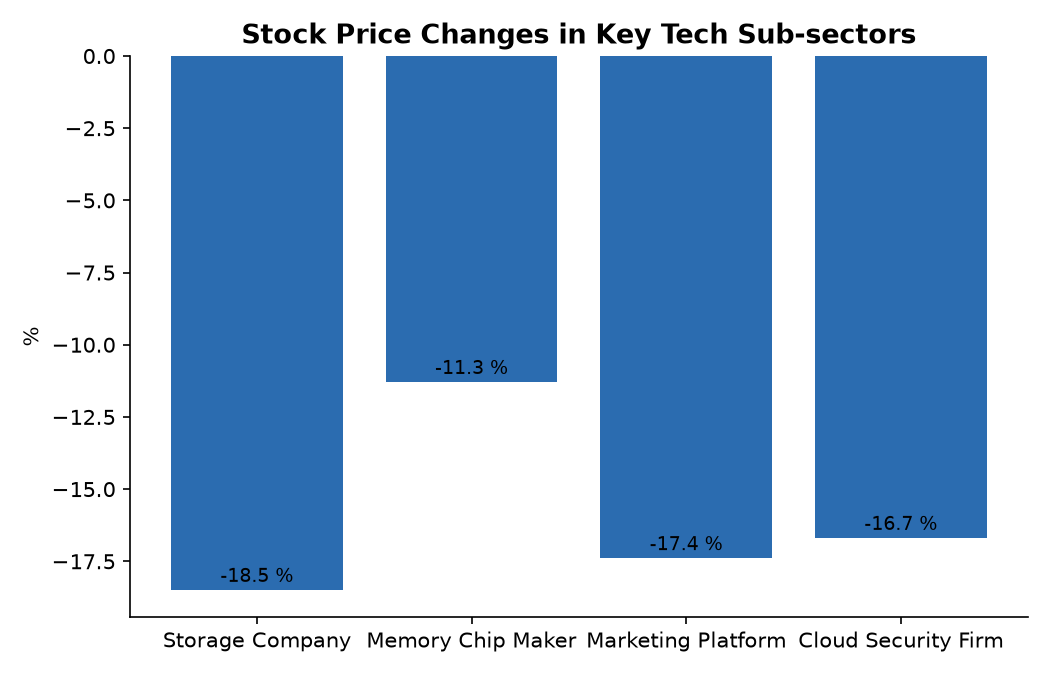
The primary driver of the market’s stagnation was a sharp retreat in the semiconductor industry. Despite optimistic revenue forecasts driven by the ongoing artificial intelligence boom, several key memory and storage companies saw their valuations plummet. Investors appeared to be taking profits after the massive rallies seen earlier this year, a phenomenon often described as market digestion.
The pressure was not limited to hardware. The software sector also faced headwinds following disappointing quarterly results from several major players. Specific concerns regarding revenue misses and slowing growth forecasts in cloud security and marketing automation led to double-digit percentage drops for several prominent companies.
Key Stock Movements
- Semiconductor Weakness: Major memory and storage firms saw declines ranging from 11% to over 18%.
- Software Slump: Marketing and cloud security platforms faced sharp corrections, with some stocks dropping as much as 17%.
- Industrial Gains: Motion and control technology firms saw significant jumps following positive profit guidance.
Looking Ahead: Employment Data and Interest Rates
As the market navigates this period of volatility, investors are shifting their focus toward upcoming macroeconomic indicators. The release of the July nonfarm payrolls report is expected to be a critical catalyst for market direction.
This upcoming labor data will be essential for investors attempting to gauge the future trajectory of interest rates. With recent central bank communications becoming less explicit regarding forward guidance, the employment report will serve as a vital compass for determining the next moves in monetary policy.
Meanwhile, global geopolitical tensions continue to influence commodity markets, with crude oil prices hovering near the $80 mark as traders monitor potential diplomatic developments in the Middle East.