


Market Pressure from Rising Yields and Geopolitical Risk
The stock market experienced its third consecutive day of losses this Tuesday, driven by a combination of rising bond yields and heightened geopolitical tensions. Investors are increasingly concerned about the long-term implications of high interest rates, even as recent economic data suggests a potential pause in central bank tightening.
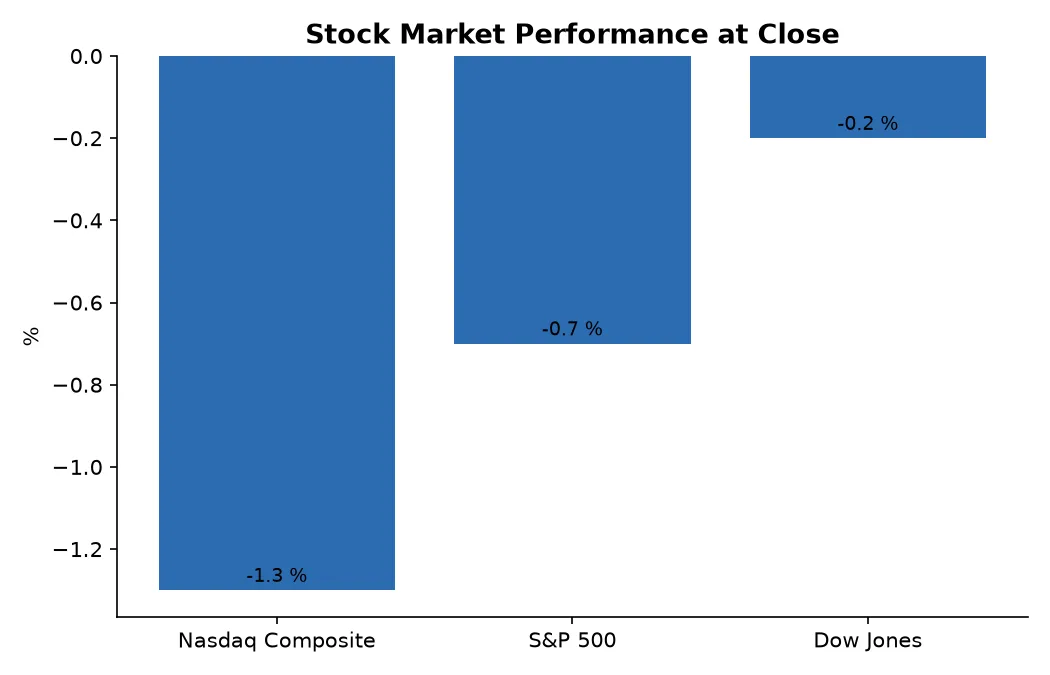
The tech-heavy Nasdaq Composite felt the brunt of the sell-off, dropping 1.3%, while the S&P 500 fell by 0.7%. Even the blue-chip Dow Jones Industrial Average struggled, closing down 0.2%. This downward trend highlights a growing anxiety among market participants regarding the stability of the current economic landscape.
The Impact of the Bond Market on Equities
A major driver of the recent volatility is the movement in the Treasury market. Even with recent soft inflation and employment figures lowering the likelihood of immediate rate hikes, long-term bond yields have surged. Notably, the 30-year yield reached a 19-year high during intraday trading.
This rise in yields is attributed to several factors, including persistent inflation risks and massive government borrowing. Furthermore, the intense demand for capital to fund the ongoing artificial intelligence investment boom is creating upward pressure on the long end of the yield curve. This environment tightens financial conditions, creating a difficult backdrop for equity valuations even without further central bank action.
Semiconductors and the Housing Sector Under Pressure
The technology sector, specifically semiconductor manufacturers, saw a sharp decline. The specialized semiconductor ETF slumped by 5.0%, led by significant sell-offs from industry giants like Micron Technology and Advanced Micro Devices. This follows a period of rapid recovery for the sector, which had previously seen double-digit growth earlier this month.
Real Estate and Consumer Spending Slowdown
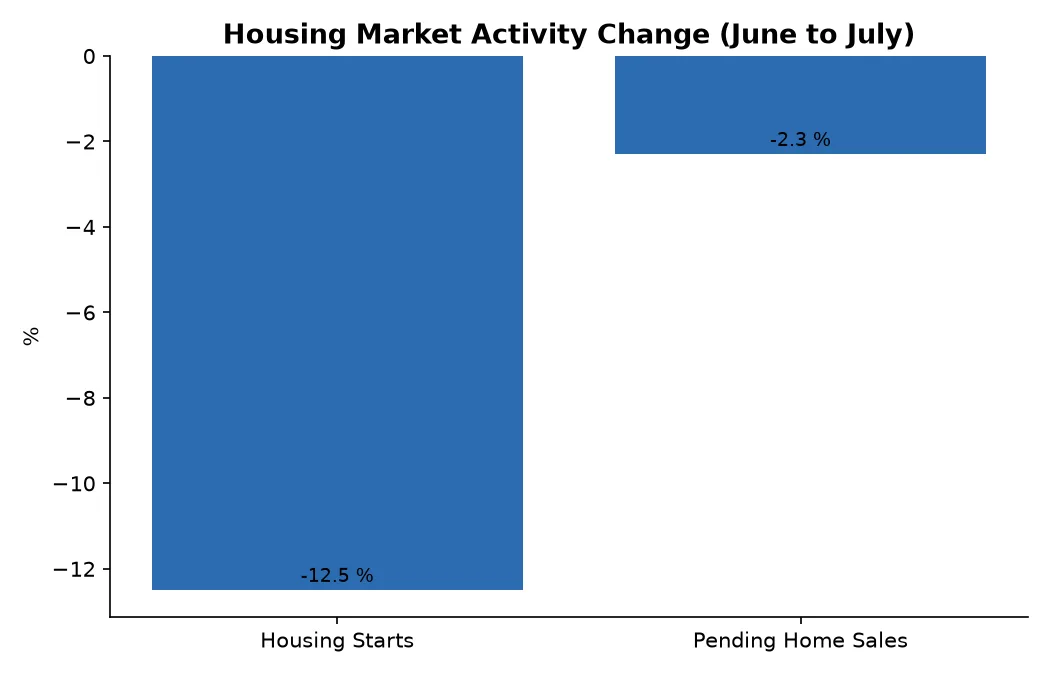
Beyond the tech sector, the housing market is showing signs of significant cooling. Recent data indicates a notable drop in housing starts, which fell 12.5% between June and July. Additionally, pending home sales have reached their lowest levels seen since the beginning of the year.
Experts suggest that high mortgage rates will likely act as a headwind for the housing market well into the coming years. This stagnation is forcing major retailers, such as Home Depot, to pivot their strategies. To combat the slowdown in large-scale home renovation projects, these companies are increasingly focusing on speed and convenience—such as express delivery services—to capture smaller, more frequent consumer spending.
Global Uncertainties and Energy Costs
Geopolitical instability, particularly regarding tensions in the Middle East, is adding another layer of complexity. The uncertainty has contributed to rising oil prices, with West Texas Intermediate crude futures seeing an uptick. This increase in energy costs serves as a potential inflationary driver, further complicating the outlook for global markets and consumer purchasing power.