


The Growing Strain on Texas Energy Infrastructure
For years, Texas has been a premier destination for tech giants and developers looking to build massive data centers. The state’s business-friendly environment and perceived abundance of energy have made it a magnet for digital infrastructure. However, this rapid expansion is reaching a critical tipping point.
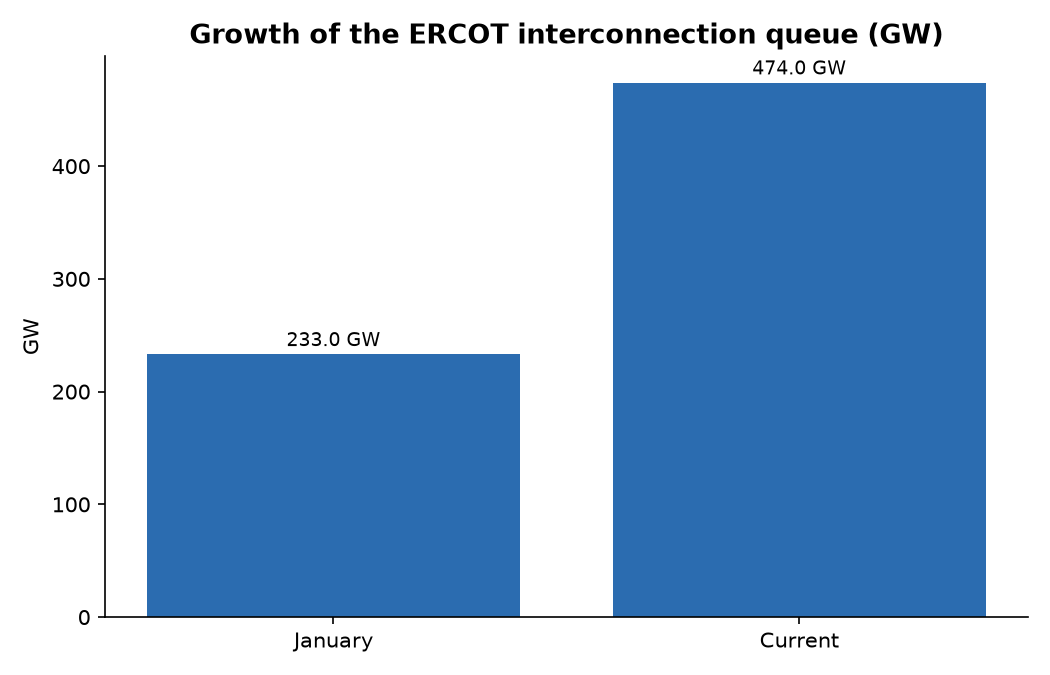
The sheer volume of upcoming energy requests is staggering. Recent data shows that the queue for grid connections has grown exponentially in a very short period. At the beginning of the year, the interconnection queue stood at 233 gigawatts. Within only six months, that number surged to 474 gigawatts. To put that scale into perspective, the current requests represent more than five times the total peak demand of the state’s grid operator.
Mandatory Audits and Regulatory Shifts
In response to this surge, the Governor has ordered a new layer of oversight. Moving away from previous voluntary information-sharing efforts, the state will now require mandatory audits for all new data center projects. These evaluations will be conducted by both the state’s public utility commission and the grid operator.
The audits will look far beyond simple electricity usage. Authorities are set to investigate:
- On-site and off-site electricity requirements
- Water consumption levels
- Noise mitigation and light control strategies
- The extent of tax incentives being utilized
- Detailed ownership and corporate structures
Balancing Tech Growth with Grid Reliability
The surge in demand is largely driven by the digital revolution. Approximately 90% of the current interconnection requests are attributed to data centers. While renewable sources like wind and solar have helped the state keep pace with rising consumption, the sheer magnitude of these new requests poses a systemic risk.
While electricity in Texas has historically remained competitive, the influx of high-intensity users—specifically data centers and crypto-mining operations—has contributed to rising prices. By implementing these rigorous audits, Texas officials aim to prevent a scenario where the infrastructure is overwhelmed by projects that may or may not even materialize.
For the tech industry, this marks a shift in the Texas landscape. The state’s reputation for light regulation is being tested by the physical realities of energy and water scarcity, potentially ending its reign as an unregulated haven for data infrastructure.