


A New Kind of Security Crisis
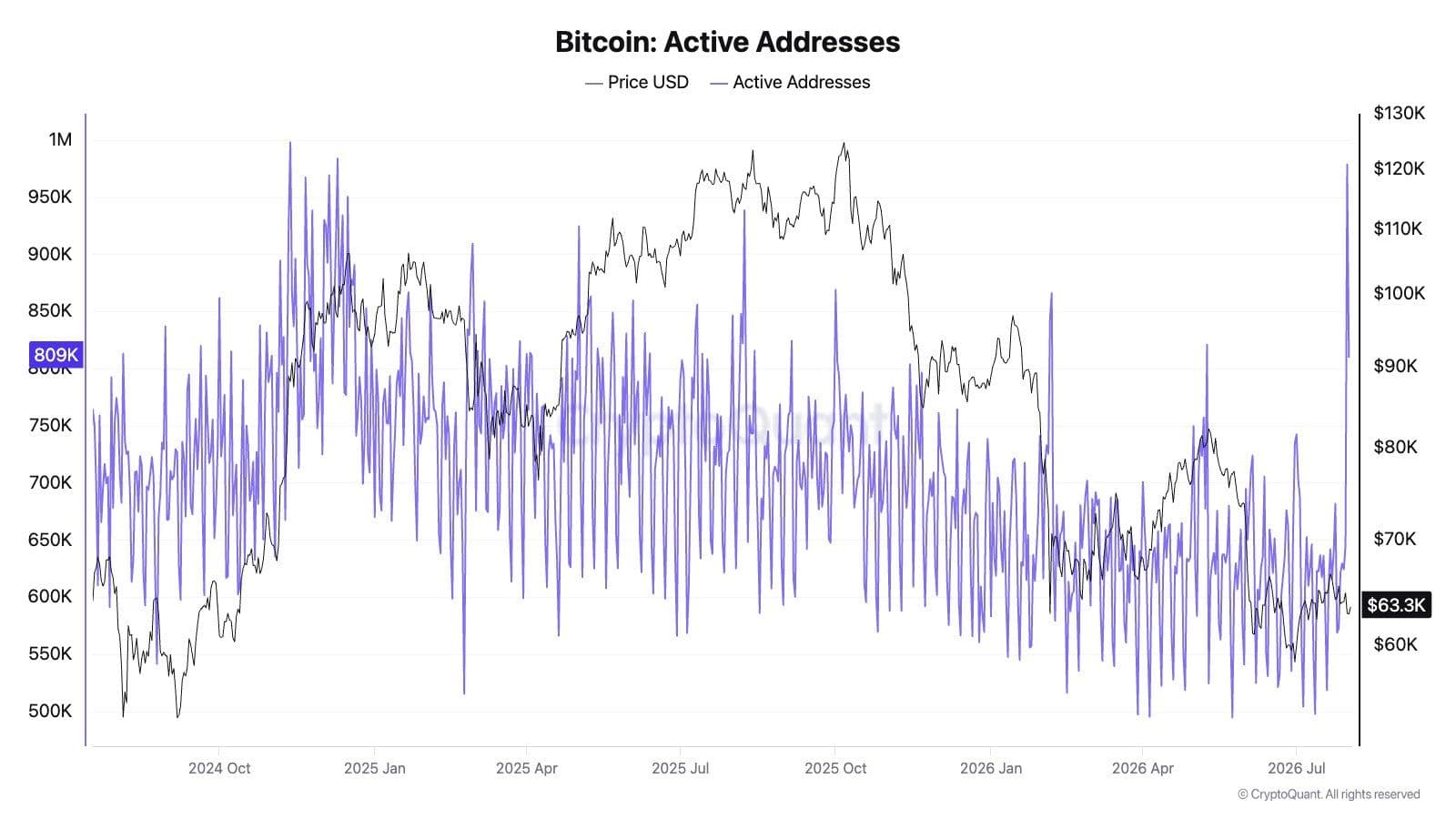
In the world of digital assets, security is often viewed through the lens of massive exchange failures. However, a recent exploit involving Coldcard—a prominent player in the hardware wallet space—has introduced a different kind of anxiety for Bitcoin holders. The breach, which reportedly impacted approximately $89 million in assets, has fundamentally altered the way some investors approach self-custody.
The Shift from Self-Custody to Exchanges
Traditionally, the mantra for serious Bitcoin investors has been ‘not your keys, not your coins,’ emphasizing the importance of hardware wallets for maximum security. Yet, this latest incident is causing a surprising reversal in behavior. Instead of moving funds into even more secure cold storage, many investors are reacting by sending their Bitcoin back to centralized exchanges.
This movement suggests a complex psychological shift: when specialized hardware security is compromised, the perceived safety of a regulated, liquid exchange may temporarily feel more reliable than a hardware solution that has proven vulnerable. This trend highlights a growing tension between the ideals of decentralization and the practical need for security and liquidity during times of crisis.
Understanding the Market Impact
While the $89 million figure is significant, the true impact lies in the shift of market sentiment. When hardware security, the gold standard for long-term storage, is called into question, it creates a ripple effect across the entire ecosystem. The sudden movement of assets toward exchanges can impact liquidity and market volatility, as large holders react to the perceived instability of their current storage methods.
- Investor Uncertainty: The exploit has reignited debates regarding the vulnerability of even the most highly regarded hardware solutions.
- Liquidity Shifts: The movement of Bitcoin back to exchanges increases the available supply on trading platforms, potentially affecting price dynamics.
- Security Re-evaluation: Users are now scrutinizing the physical and software security layers of their cold storage setups more intensely than before.
Conclusion: A Lesson in Risk Management
The Coldcard incident serves as a stark reminder that no security measure is entirely infallible. For the broader cryptocurrency market, this event is a test of resilience. As investors weigh the risks of centralized exchanges against the vulnerabilities of hardware wallets, the industry must continue to evolve its security standards to maintain long-term trust.