

The Silent Threat of Required Minimum Distributions
Most financial advice emphasizes the importance of contributing early to retirement accounts and letting money compound. However, few people consider what happens once the money is in the account. For disciplined savers who have accumulated substantial balances, a large traditional IRA can quietly evolve into a tax liability that extends across generations.
The primary trigger is required minimum distributions, or RMDs. Once you reach a certain age—currently 73 or 75 depending on your birth year—you must begin withdrawing a portion of your IRA annually. These withdrawals are treated as taxable income, adding to your overall tax burden whether you need the money or not. This often catches retirees off guard, leading to unexpected tax bills that could have been planned for years in advance.
The Widow’s Penalty: A Tax Hike for Surviving Spouses
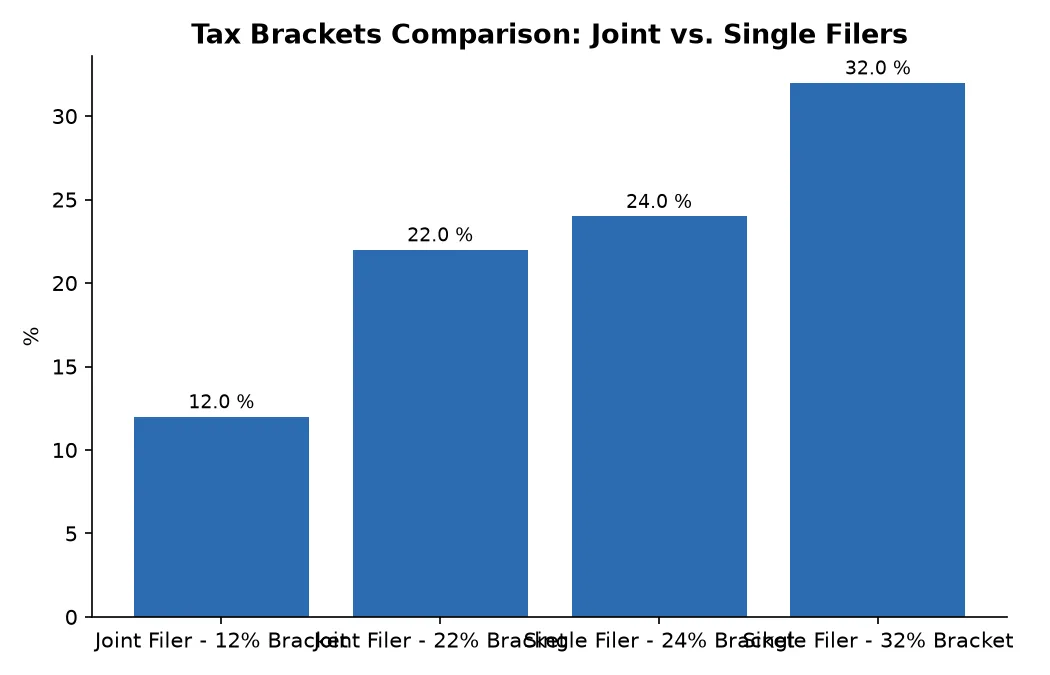
The tax implications don’t end with the original account holder. If one spouse passes away, the surviving partner faces a significant financial shift. Filing status changes from joint to individual, which typically means higher tax rates and a smaller standard deduction. For example, income that was previously taxed at 12% or 22% could jump to 24% or 32%, even if the total income remains the same.
This phenomenon, often called the widow’s penalty, can result in thousands of dollars in additional taxes each year for the rest of the surviving spouse’s life. Many couples fail to model their finances under a single-filing scenario, leaving them unprepared for this long-term impact.
Inherited IRAs: A Tax Burden for the Next Generation
The tax chain reaction continues when the remaining IRA is passed to children. Under current inheritance rules, non-spouse beneficiaries must typically empty the account within 10 years of the original owner’s death. For heirs in their peak earning years, this can mean substantial taxable income—potentially $150,000 or more per child—stacked on top of their existing earnings.
This situation often forces heirs to pay taxes at higher rates than the original savers ever faced, undermining the goal of leaving a legacy. The deferred taxes on decades of growth can come due all at once, creating a significant financial hurdle.
A Window of Opportunity for Planning
Recent legislative changes have created a favorable environment for proactive planning. The age at which RMDs begin has been pushed back, giving savers more time to grow their accounts without forced withdrawals. Additionally, recent tax laws have made current tax brackets permanent, reducing uncertainty around future rate changes.
While these changes don’t eliminate the underlying issue, they provide a clearer roadmap for managing tax liabilities. Retirees in their 60s, before RMDs start, have a valuable runway to implement strategies that could mitigate future tax hits.
Strategies to Reduce the Tax Impact
One effective approach is a Roth conversion, where you move money from a traditional IRA to a Roth account. This triggers taxes at today’s rates, which are often lower during retirement, while allowing future growth to be tax-free. Another option is a qualified charitable distribution, which lets you send IRA funds directly to charity, satisfying RMDs without increasing taxable income.
However, these strategies aren’t one-size-fits-all. The key is to regularly review your financial plan and run projections every few years. What works today may not be optimal in the future, so flexibility is essential.
The Bottom Line: Act Before It’s Too Late
Having a large IRA is a testament to disciplined saving, but it requires ongoing attention to avoid unintended tax consequences. By understanding the ripple effects on your spouse and heirs, and by leveraging available planning tools, you can help ensure that your retirement savings serve your family’s best interests rather than becoming a source of financial strain.
The best time to address these issues is before RMDs force your hand. With careful planning, you can turn a potential tax problem into a manageable part of your overall financial strategy.