


The Scale of Data Used
Modern AI systems are fed enormous datasets comprising hundreds of millions of books, online articles, and academic papers. These repositories cover virtually every piece of written content available on the internet, making the training process unprecedented in both scope and speed.
Landmark Decisions Reshape the Landscape
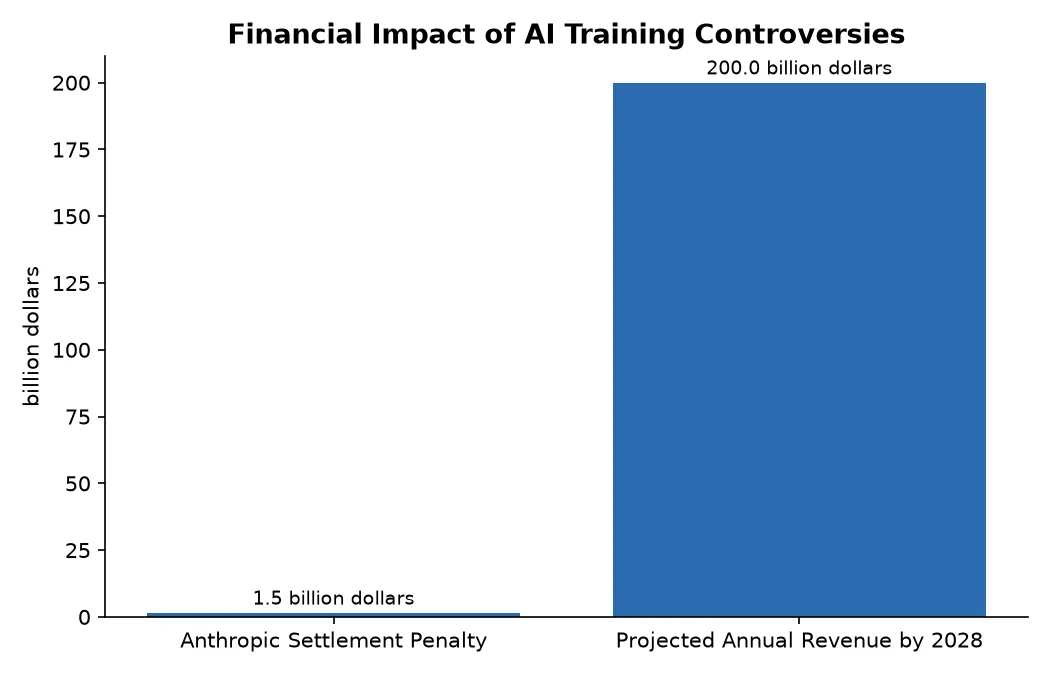
A pivotal moment occurred last year when a federal judge ordered Anthropic to settle a copyright dispute for approximately $1.5 billion involving writers whose work was utilized to train the company’s models. While this outcome appeared favorable to creators, the ruling focused specifically on unauthorized use stemming from illegal shadow libraries rather than the broader practice of leveraging publicly accessible texts.
Fair Use and Transformative Purpose
The concept of « fair use » becomes central in these disputes. Courts evaluate multiple key factors: the purpose behind the use, the nature of the original work, the quantity taken, and the potential impact on the market. Whether training serves to push creative boundaries through transformation or merely replicates existing content remains a critical battleground for legal scholars and industry leaders.
Industry-Wide Uncertainty
With many major AI firms continuing to navigate pending litigation, the legal framework appears unstable. Experts warn that without uniform standards, companies may advance powerful technologies while operating under uncertain regulatory conditions, leaving ample room for further conflicts as the field evolves.