


The Paradox of Real Estate Success
After decades of strategic acquisitions and market appreciation, many real estate sponsors find themselves in a unique predicament. The very assets that built their wealth often become a source of significant risk as they age. What began as a focused investment strategy can evolve into a heavy concentration in specific asset classes or geographic regions.
When a developer’s net worth is tied to a handful of large-scale commercial properties, they face a looming dilemma: how to exit these positions without losing a massive portion of their equity to the taxman.
The Hidden Costs of Selling
An outright sale of a long-held real estate portfolio is rarely a simple matter of liquidating assets. Two major financial hurdles often emerge:
- Capital Gains Tax: Decades of appreciation mean that selling assets can trigger substantial tax obligations.
- Depreciation Recapture: Over years of ownership, investors often use depreciation to offset income. When the property is sold, the tax authorities reclaim these benefits, often resulting in a heavy tax bill.
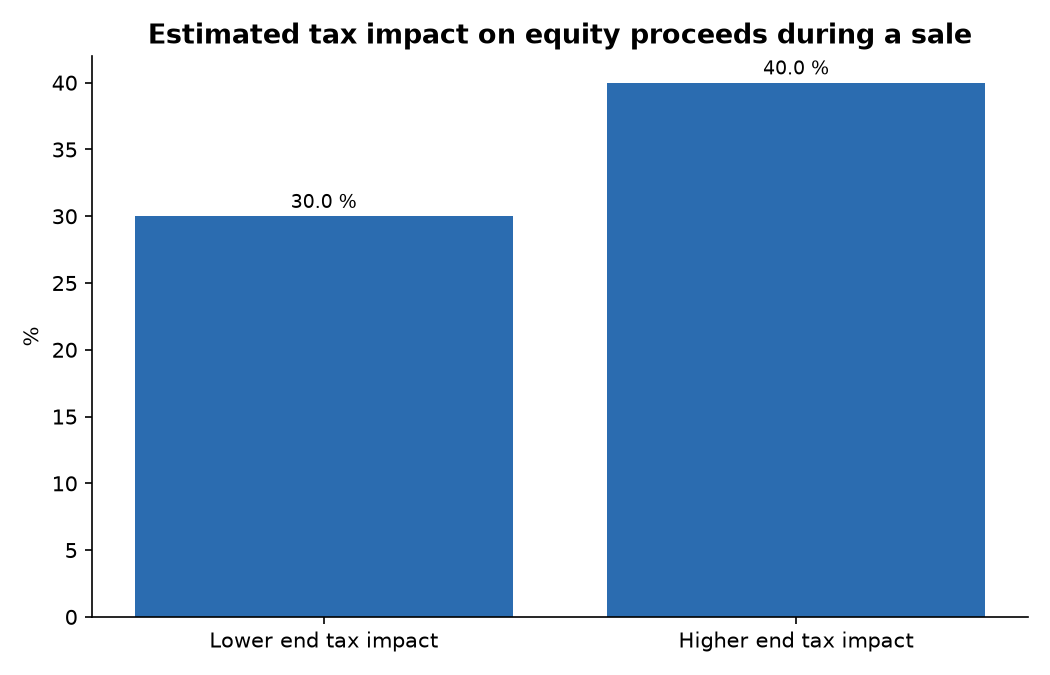
Depending on the jurisdiction and the specific tax situation, these combined liabilities can consume between 30% and 40% of the total equity proceeds, significantly diminishing the actual wealth available to the investor.
The Challenge of Active Management and Capital Needs
Beyond the tax implications, there is the human element. Many successful developers reach a stage in life where the daily rigors of property management—handling tenant disputes, negotiating leases, and overseeing large-scale renovations—become burdensome.
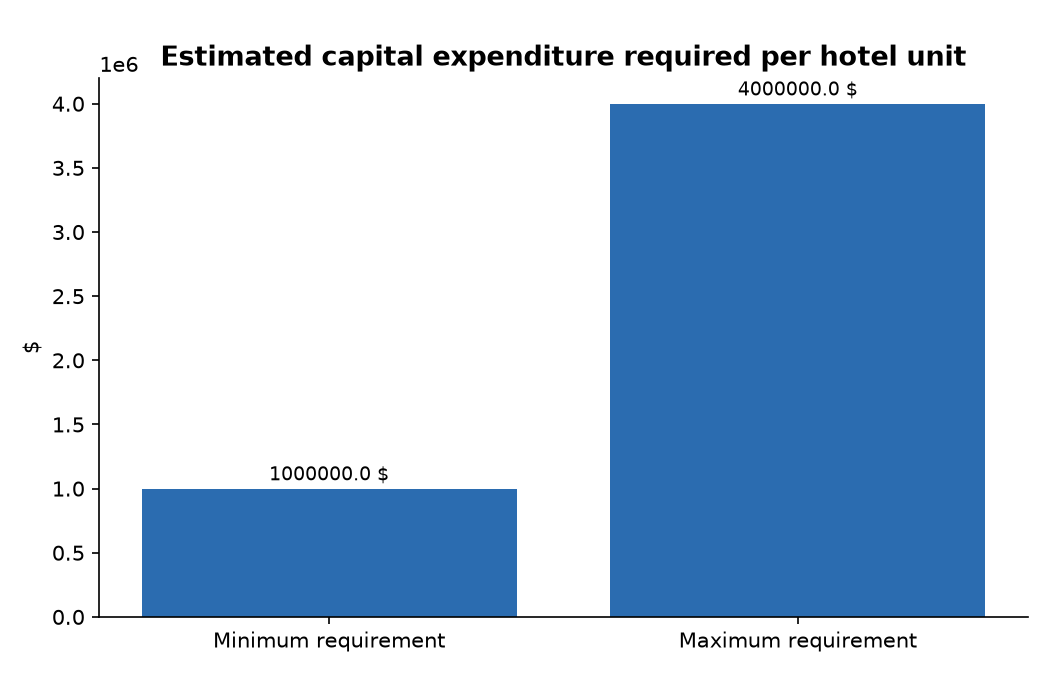
Furthermore, aging assets often require significant capital infusions. As properties reach the end of their lifecycle, owners must face expensive Property Improvement Plans (PIPs) or general maintenance, such as replacing roofs or upgrading mechanical systems. For an aging sponsor, the prospect of managing multi-million dollar capital projects can be unappealing.
Diversification via 1031 Exchanges and DSTs
To solve the triple challenge of taxes, management burden, and concentration risk, many sophisticated investors turn to the 1031 exchange. This allows them to reinvest their proceeds into new properties while deferring capital gains and depreciation recapture taxes.
A popular strategy for those seeking a more passive lifestyle involves moving from direct ownership into Delaware Statutory Trusts (DSTs). This transition offers several strategic advantages:
- Immediate Diversification: Instead of owning one large hotel, an investor can spread their equity across dozens of institutional-quality properties in various sectors and locations.
- Passive Income: Investors transition from active managers to passive owners, with professional sponsors handling all day-to-day operations.
- Risk Mitigation: By spreading capital across multiple asset classes, investors are no longer vulnerable to the downturn of a single sector or region.
Ultimately, the goal for many successful developers shifts from wealth accumulation to wealth preservation and lifestyle optimization, ensuring their legacy remains intact without the stress of active management.