

A Shift from Ownership to Accessibility
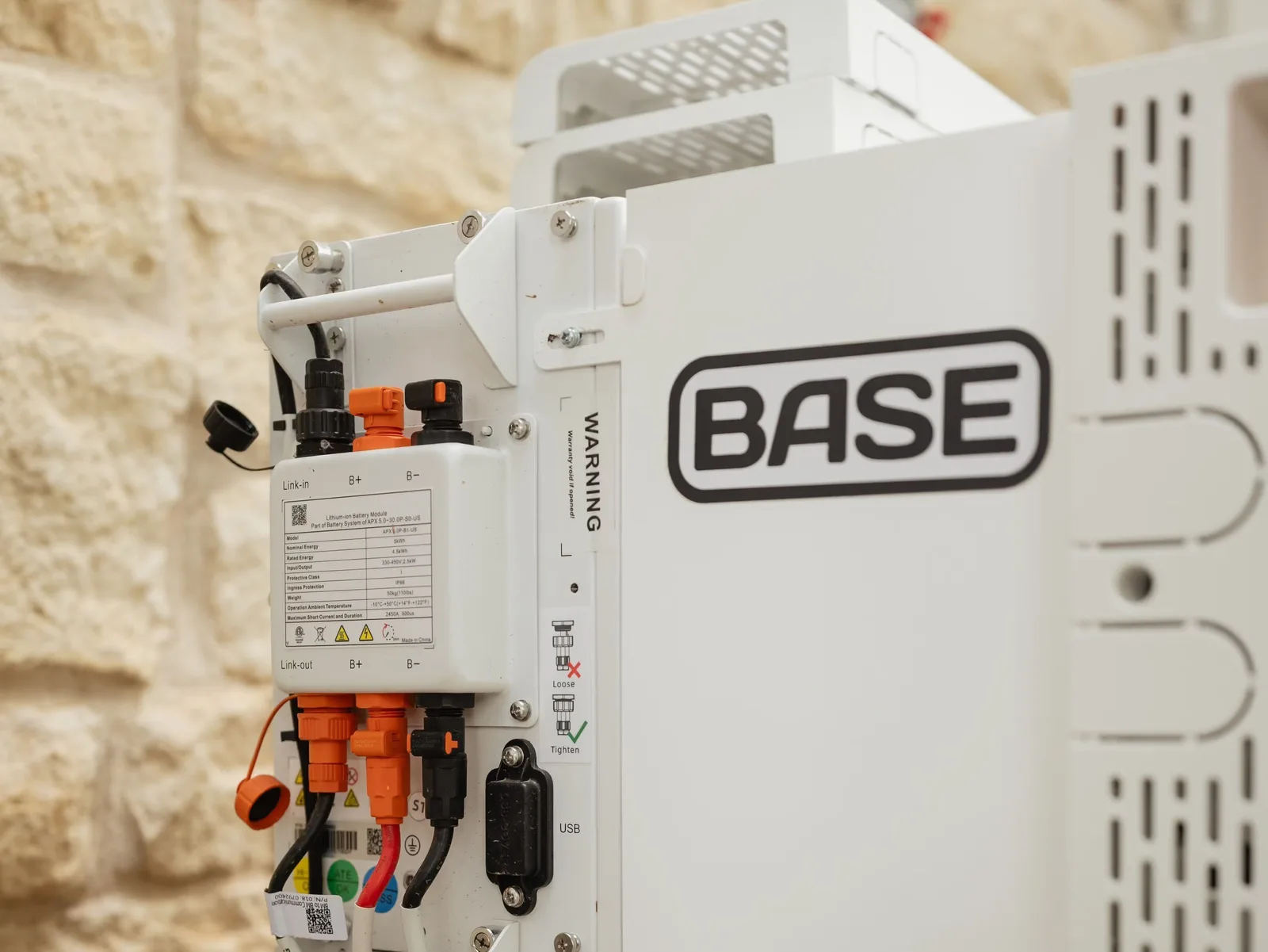
For years, residential battery storage was a niche market, accessible only to affluent homeowners with existing solar installations. With typical installation costs exceeding $10,000, the barrier to entry was simply too high for the average consumer. However, a significant shift is underway as competition intensifies between established giants and well-funded newcomers.
New market entrants are disrupting the status quo by offering aggressive leasing models. In regions like Texas, consumers can now access significant battery capacity for a relatively low monthly fee—sometimes as low as $19 or $35 per month—making energy independence a much more attainable goal for the middle class.
The Power of Virtual Power Plants (VPPs)
This sudden affordability is not accidental; it is driven by the evolution of Virtual Power Plants (VPPs). A VPP is a sophisticated software-driven network that aggregates thousands of individual residential batteries, treating them as a single, massive power plant. This distributed energy resource allows utility companies to tap into stored residential power during peak demand periods.
The economic logic is a ‘win-win’ for all parties involved:
- For Utilities: Instead of building expensive ‘peaker plants’ or upgrading massive infrastructure, they can call upon existing distributed batteries to stabilize the grid.
- For Homeowners: Consumers benefit from lower electricity rates or reduced upfront costs through leasing, as operators profit from selling stored energy back to the grid during high-price intervals.
Meeting the Demands of the AI Era
The urgency to deploy these technologies is being accelerated by the massive energy requirements of modern infrastructure. As data centers and AI-driven industries expand, the demand on the electrical grid is skyrocketing. Traditional power infrastructure projects can take several years to complete due to permitting and land acquisition challenges.
In contrast, VPPs offer unparalleled speed. Because they utilize existing residential assets, a large-scale distributed storage network can be deployed in months rather than years. This rapid deployment capability makes VPPs an essential tool for meeting the high-speed interconnection needs of hyperscalers and data center operators.
Market Outlook and Future Growth
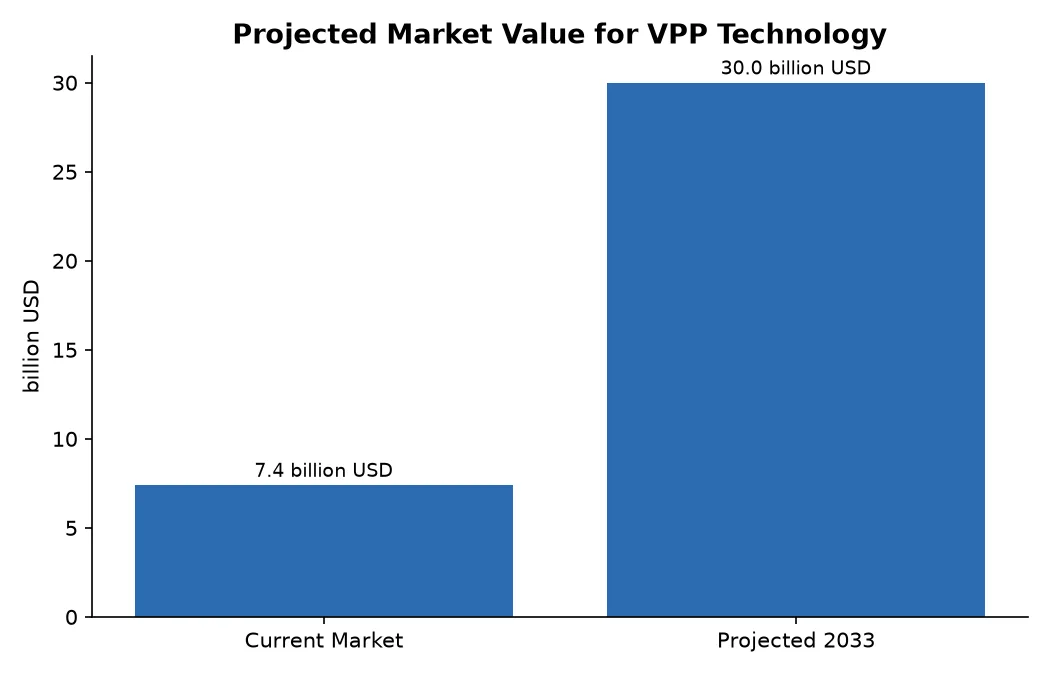
While the current market for distributed energy technology is valued in the billions, its trajectory is steeply upward. As energy resiliency becomes a priority and technology costs continue to fall, the integration of home batteries into the national grid appears inevitable.
The transition from centralized power plants to distributed, intelligent networks represents one of the most significant shifts in modern utility management, turning everyday households into active participants in the global energy transition.