

The Bottleneck of Traditional Infrastructure
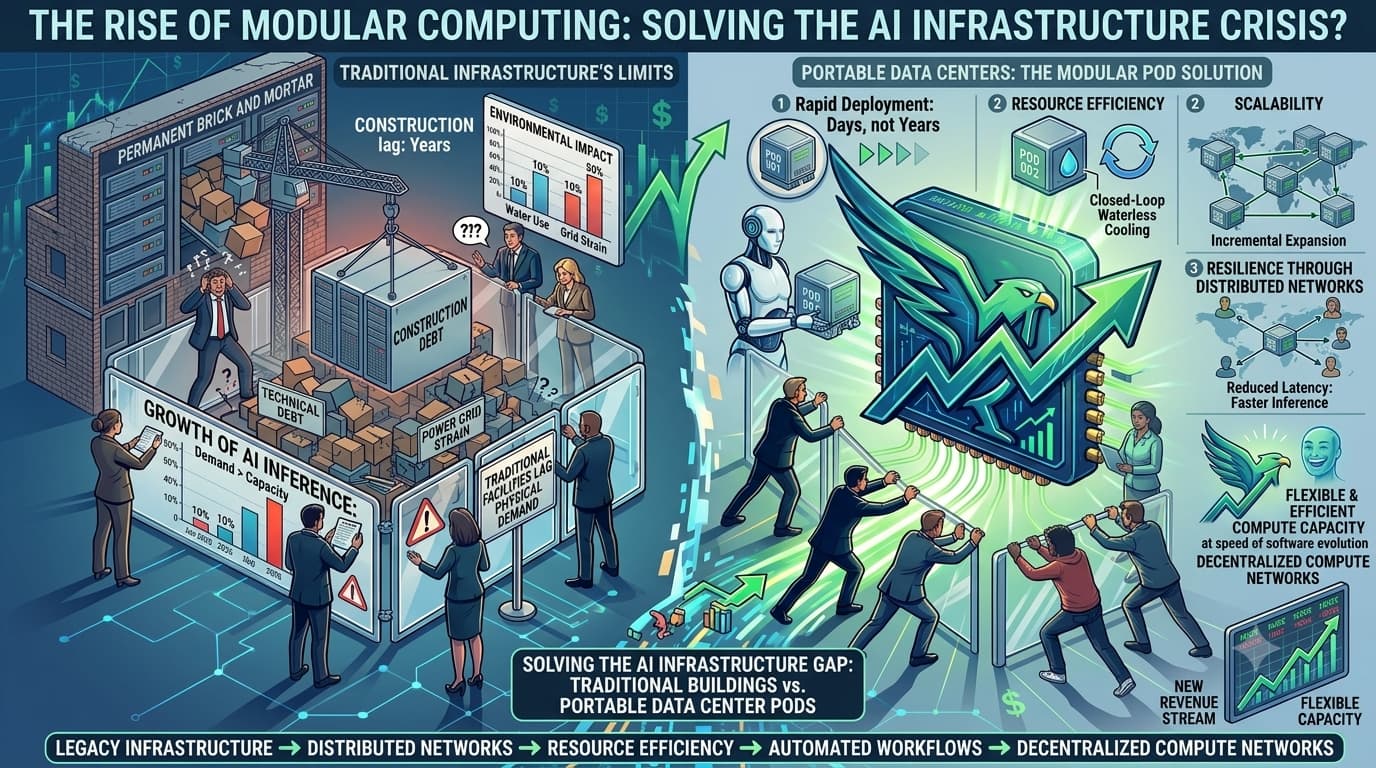
The current race for artificial intelligence supremacy is hitting a physical wall: the speed of construction. While major tech giants are committing hundreds of billions of dollars to massive, permanent data center facilities, the timeline for these projects often spans years. This lag creates a significant risk for the industry, where the demand for AI inference grows faster than the physical capacity to support it.
Traditional facilities are not only slow to build but also come with heavy environmental footprints, often requiring massive amounts of water for cooling and placing immense strain on local power grids. This tension between technological progress and resource consumption has become a central debate in the tech industry.
Modular Pods: A Faster, Smarter Alternative
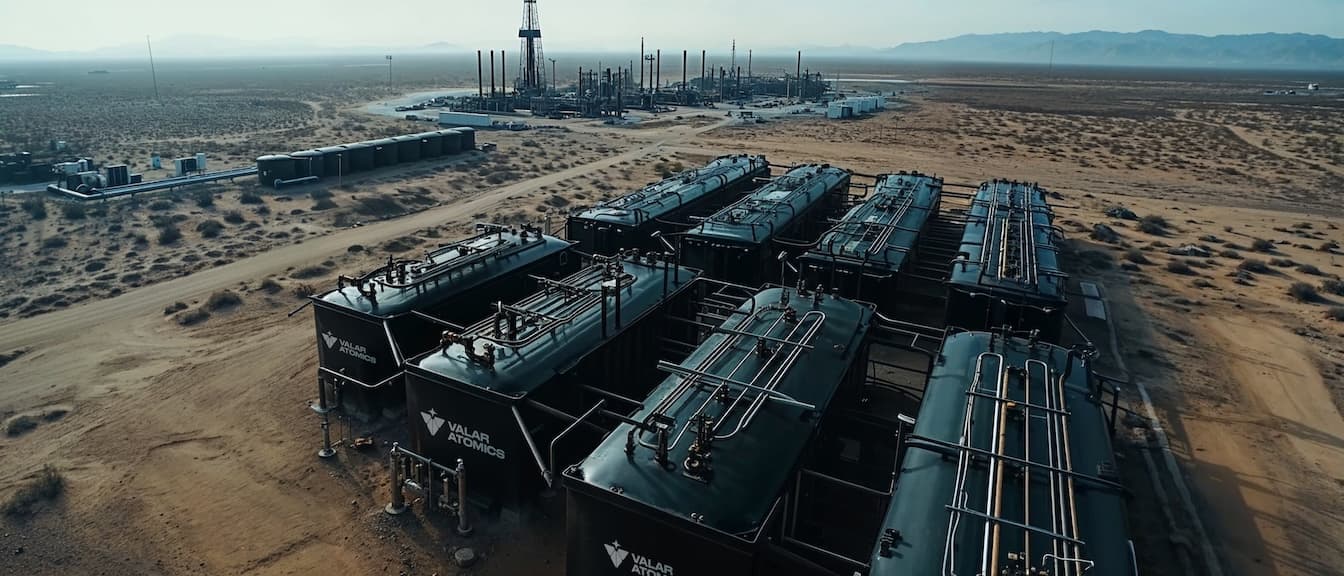
To address these challenges, a new approach to infrastructure is gaining momentum: the modular data center. Rather than building massive, fixed structures, companies are developing transportable units—often called ‘pods’—that can be deployed wherever power is available. This modularity offers several strategic advantages:
- Rapid Deployment: These units can be set up in days, whereas traditional facilities take months or years.
- Resource Efficiency: Many new designs utilize closed-loop cooling systems, eliminating the need for large-scale water consumption.
- Scalability: Capacity can be expanded incrementally by adding more units, rather than undergoing massive facility expansions.
- Edge Computing Benefits: By placing these units closer to end-users, latency is reduced, providing faster response times for AI tasks.
Resilience Through Distributed Networks
One of the most significant shifts in this new model is the move from centralized to distributed computing. Instead of relying on a few massive hubs, a network of interconnected pods allows for much higher reliability. If a single unit goes offline, the network can automatically reroute requests to another active pod, ensuring continuous service.
This decentralized approach also offers flexibility for different types of clients. While some may require a dedicated unit for specialized hardware needs, most users can benefit from a shared, high-performance network that scales dynamically with their needs.
The Future of AI Power and Sustainability
The energy requirements for AI are set to increase regardless of how the infrastructure is delivered. However, the method of delivery matters immensely. By utilizing existing power infrastructure and avoiding the need for new, massive grid expansions, modular systems offer a way to meet the ‘intelligence explosion’ with less environmental friction.
As the industry moves forward, the winners may not be those who build the largest buildings, but those who can deploy the most flexible and efficient compute capacity at the speed of software evolution.