

A High-Stakes Diplomatic Mission
A new chapter in Venezuela’s political struggle begins this Saturday as U.S.-backed negotiations launch between the interim government and a specific faction of the opposition. The primary objective of these talks is to overhaul the country’s political and electoral institutions to pave the way for future free and fair elections.
The discussions represent a significant exercise of Washington’s influence in the region. Following the removal of Nicolas Maduro and the installation of acting President Delcy Rodriguez, the United States has become a pivotal mediator in the quest for democratic stability in the nation.
The Machado Dilemma: Legitimacy vs. Pragmatism
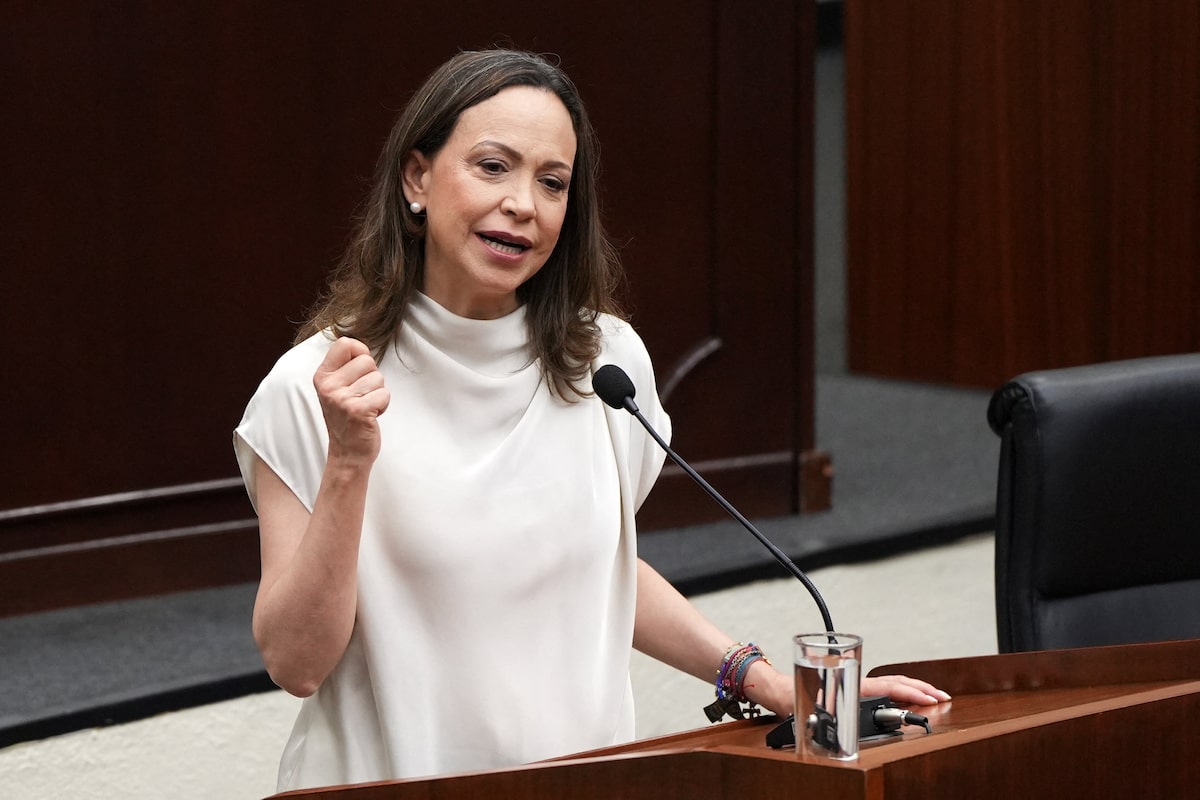
The most striking feature of these upcoming talks is the absence of Maria Corina Machado. As a Nobel Peace Prize winner and the most prominent face of the opposition, her exclusion has sparked intense debate among political analysts. Machado, who has been living abroad following the contested 2024 elections, was not invited to join the delegation led by Dinorah Figuera.
The decision to exclude her stems from technicalities regarding the 2015 National Assembly, which the U.S. still recognizes as the last democratically elected legislature. While some observers argue that her absence weakens the talks by ignoring a massive segment of the population, others suggest that her distance might actually protect her political capital. As one expert noted, if the talks succeed, she remains the natural leader; if they fail, her absence proves that negotiations without broad legitimacy are futile.
The Core Negotiating Points
The delegates face a complex agenda that must balance economic survival with democratic restoration. Key areas of focus include:
- Electoral Reform: Overhauling the electoral council and the top court to ensure transparency.
- Sanctions Relief: The interim government is expected to push for the lifting of U.S. sanctions, particularly in the oil, gas, and gold sectors.
- Political Amnesty: Addressing the status of political prisoners and ensuring safety for opposition members.
The United States has signaled that while it acts as a facilitator to ensure security for the opposition, it does not intend to dictate the final outcome. However, Washington’s role remains central, especially regarding the easing of economic restrictions that have heavily impacted the Venezuelan economy.
Looking Ahead
The success of this round of talks depends on whether the negotiators can produce tangible results quickly enough to build public trust. With the shadow of Machado’s absence looming large, the interim government and the opposition must prove that this diplomatic path can deliver the stability and democratic integrity the Venezuelan people demand.
This article is based on reporting regarding the upcoming political negotiations in Venezuela.